

Zeroharm
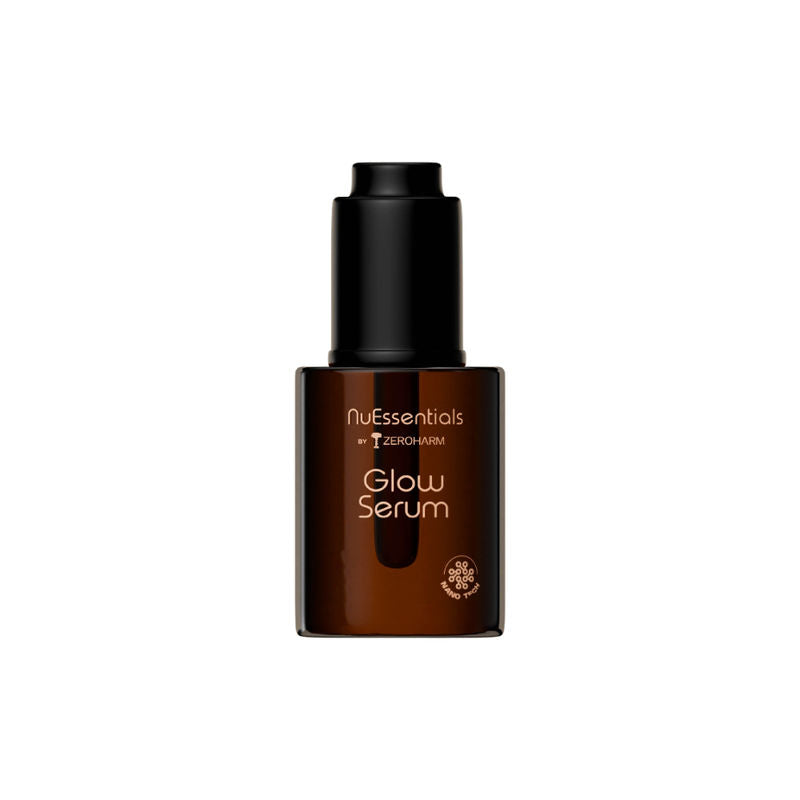
Zeroharm Nuessentials Glow Serum

Zeroharm Nuessentials Glow Serum
Zeroharm
zeroharm-nuessentials-glow-serum
Serum
10085086462245
Morning or Evening?
How often will you use this product?
Notes


Highlights
WHAT IS IT?
Glowing serum with key advanced ingredients for skin texture and tone improvement
FEATURES
Easy Application, Instant Glow, Reduces Skin Redness, Evens Skin Tone
BEST FOR
sensitive
CHECKS
Phenoxy Ethanol & Ethyl Hexyl Glycerin, Sodium Metabisulphite
Who Is It For?
Adults All GendersWhat Does It Help With?
Improves Skin Texture And Tone Reduces Redness Evens Skin Tone Youthful AppearanceBudget
Premium ($76-$150)How To Use
Which routine should it be used in?
Instructions:
Key Information


What Zeroharm Says
Product Description:
Indulge your skin with the ultimate pampering experience with our Glow Serum. Powered by advanced ingredients, this serum visibly improves skin texture and tone, leaving you with a renewed and youthful appearance. Features: Easy Application, Instant Glow, Reduces Skin Redness, Evens Skin Tone.
About the Brand:
Ingredients Overview
Ingredients List
ethyl-ascorbic-acid, diethylene-glycol-monoethyl-ether, propanediol, sodium-hyaluronate, olive-oil-peg-7-esters, tocopheryl-acetate, phenoxy-ethanol, ethyl-hexyl-glycerin, ferullic-acid, hydroxyethylcellulose, l-arginine, sodium-metabisulphite, aqua-water
Key Ingredients
Ethyl Ascorbic Acid, Sodium Hyaluronate, Ferullic Acid, Tocopheryl Acetate
Ingredients Details
Hydroxyethylcellulose
Common Name(s): Hec,natrosol,ethylhydroxyethylcellulose
CAS Number: 9004-62-0
DESCRIPTION
What It Does: Provides non-ionic thickening compatible with anionic surfactants and electrolyte-containing formulations.
Why It's Used: Non-ionic cellulose thickener for surfactant systems where anionic/cationic thickener incompatibility is a concern.
How It Works: Hydroxyethyl substitution disrupts cellulose crystallinity enabling water solubility. non-ionic nature provides compatibility with anionic, cationic, and amphoteric surfactants. pseudoplastic rheology provides shear-thinning for dispensing. film formation from cellulose backbone.
Typically Found In: Shampoos,body washes,clear gels,surfactant systems
TECHNICAL DETAILS
Primary Category: Functional ingredient – cellulose thickener
Secondary Functions: Tewl reduction,skin plumping
Application Areas:

Facial Skincare
Body Care
Hair Care

Beard Care
Color Cosmetics (Makeup)
Dietary/Oral Supplements
Typical Concentration Range: 0.1%–3%
SOURCING & ETHICS
Vegan Status: Conditional - supplier confirmation required
Halal Status: Unverified - supplier confirmation required
Source Notes: Synthetic or naturally derived. excellent aqueous solubility. [audit 2026-07-29 rev2: status downgraded on audit. determination requires shariah-panel sign-off.]
SKIN COMPATIBILITY
Irritancy Rating: 1/5 – very low
Comedogenicity Rating: 0/5 – non-comedogenic
Sensitivity Concerns: Non-irritating; suitable for all skin types.
Safe for Sensitive Skin: Yes
SAFETY & COMPATIBILITY
Safety Profile: Excellent safety profile. ewg score: 1.
Works Well With: Ceramides,emollients,occlusives,glycerin,hyaluronic acid
Avoid Combining With: No significant incompatibilities
SCIENTIFIC NOTE
Hydroxyethylcellulose's non-ionic character is its primary differentiator from anionic carboxymethylcellulose – the absence of ionizable groups means hec maintains stable viscosity across ph 2-12 and at high electrolyte concentrations where carboxymethylcellulose destabilizes. this ionic independence makes hec the preferred cellulose thickener for acidic and salt-containing formulations.
Last Verified: 2026-03-12
Primary Sources: Cosing database,ashland hec technical data,cir safety assessment
Propanediol
Common Name(s): 1,3-propanediol,zemea,bio-propanediol
CAS Number: 504-63-2
DESCRIPTION
What It Does: Provides humectant and solvent functionality from sustainable corn-based fermentation.
Why It's Used: Bio-based propylene glycol alternative from renewable corn — propanediol provides equivalent functionality to propylene glycol with sustainable renewable feedstock and superior skin feel.
How It Works: Two oh groups provide humectant water binding. excellent solvent for fragrances, actives, and preservatives. mild antimicrobial from diol structure for preservative system boosting. renew corn fermentation origin (dupont zemea process). better skin feel than propylene glycol — less sticky.
Typically Found In: Virtually all cosmetic categories as pg alternative
TECHNICAL DETAILS
Primary Category: Functional ingredient – humectant
Secondary Functions: Tewl reduction,skin plumping
Application Areas:
Facial Skincare
Body Care
Hair Care
Beard Care
Color Cosmetics (Makeup)
Dietary/Oral Supplements
Typical Concentration Range: 1%–20%
SOURCING & ETHICS
Vegan Status: Yes – from corn sugar fermentation
Halal Status: Yes
Source Notes: Synthetic or naturally derived. excellent aqueous solubility.
SKIN COMPATIBILITY
Irritancy Rating: 1/5 – very low
Comedogenicity Rating: 0/5 – non-comedogenic
Sensitivity Concerns: Non-irritating; suitable for all skin types.
Safe for Sensitive Skin: Yes
SAFETY & COMPATIBILITY
Safety Profile: Excellent safety profile. ewg score: 1.
Works Well With: Ceramides,emollients,occlusives,glycerin,hyaluronic acid
Avoid Combining With: No significant incompatibilities
SCIENTIFIC NOTE
Propanediol's dupont tate & lyle bio products 'zemea' process ferments corn sugar to 1,3-propanediol using engineered e. coli — one of the first commercially viable bio-fermentation routes to a cosmetic diol previously made only from petroleum. the renewable route produces chemically identical 1,3-propanediol while reducing carbon footprint by approximately 40% vs petrochemical synthesis.
Last Verified: 2026-03-12
Primary Sources: Cosing database,dupont tate & lyle zemea technical data,cir safety assessment