

Sebastian
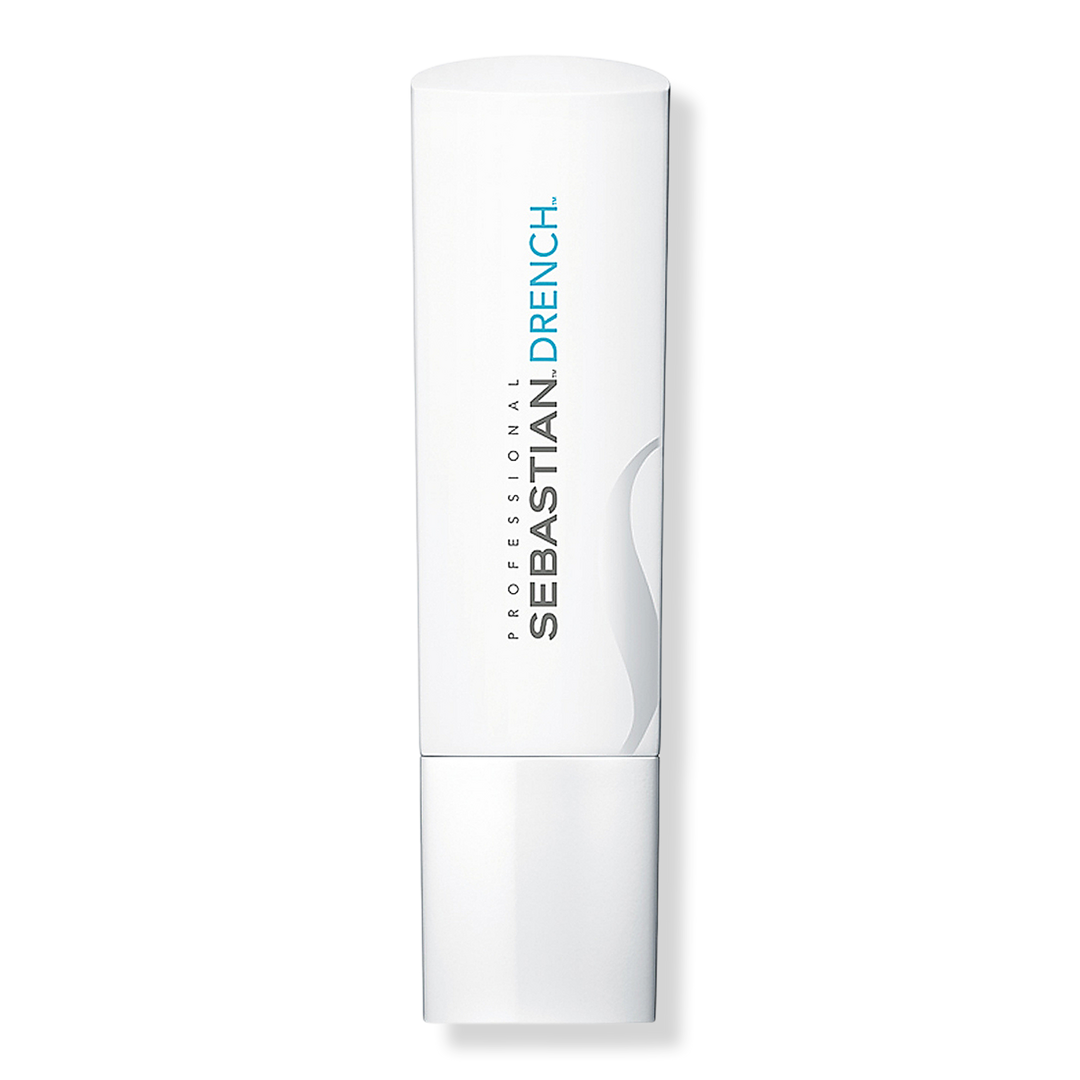
Sebastian Drench Conditioner
Sebastian Drench Conditioner rehydrates dry, frizzy, and chemically treated hair, providing silky body and shine. Its color-safe formula ensures vibrant hair color while delivering intense nourishment.
Color-safe
Dryness
Frizz
Damage Repair
Chemically Treated
Color-treated
Optimized for Your Environment & Lifestyle
Nykaa
In stock
Recommended

Sebastian Drench Conditioner
Sebastian
sebastian-drench-conditioner
Conditioner
10355425968421
Morning or Evening?
How often will you use this product?
Notes


Secure payment protection
Your Biodata Compatibility Analysis
Based on your 6 hair health indices and environmental factors
Poor Match
Significant incompatibilities
Growth Cycle Health Index
Hair Match
Hair Health Index Alignment
Optimal for OSI, SSI, DI, HSI
Ingredient Efficacy
Matching Ingredient Score
Environment Compatibility
Current UV, Air Quality & Humidity
Why This Works for Your Specific Profile
Damage Index:
Damage levels outside specified range may not benefit optimally from product formulation
Water Quality:
Fine hair becomes weighed down and greasy from heavy formulation
Hair:
Closed cuticles resist product penetration causing surface buildup without internal benefits
Active Lifestyle:
High activity and frequent washing rapidly strip product benefits requiring excessive reapplication
Your Hair Profile Integration
Your Hair Archetype

Density Level

Washing Frequency

Shedding Level

Oil Level
Your Hair Health Indices
Oil Secretion (OSI)
Very low oil production
Scalp Sensitivity (SSI)
Very low sensitivity
Growth Rate (CMR)
Poor metabolism rate
Damage Index (DI)
Minimal damage
Hair Strength (HSI)
Very weak strength
Softness Index (SI)
Significant improvement needed
Water & Environmental Integration

Water:


Expected Results & Timeline
Key Highlights

What is it?
Conditioner with 14 ingredients

Who Is It For
Adults

Budget
$19.99 - $39.98

Timeline
Immediate
Why You’ll Love It

What Does It Help With?
Dryness, Frizz, Damage Repair

Best for
Dryness

Features
Rehydrates dry, frizzy, and chemically treated hair; Provides silky body and shine; Color-safe formula

Checks
Ingredients Overview
Ingredients List
water-eau, stearyl-alcohol, cetyl-alcohol, behenamidopropyl-dimethylamine, glutamic-acid, bis-aminopropyl-dimethicone, fragrance-parfum, benzyl-alcohol, phenoxyethanol, methylparaben, propylparaben, edta, citric-acid, sodium-chloride, hydrolyzed-milk, simmondsia-chinensis-jojoba-seed-oil, oryza-sativa-rice-bran-oil
Key Ingredients
Hydrolyzed Milk, Jojoba Seed Oil, Rice Bran Oil
Ingredients Details
Edta
Common Name(s): Edta,inci ingredient,cosmetic active
CAS Number: N/a
DESCRIPTION
What It Does: Provides documented cosmetic activity from edta.
Why It's Used: Edta delivers formulation value through its specific biological activity and established safety and efficacy.
How It Works: Source: edta. mechanism: documented in cosmetic literature. safety: cosing-reviewed. standard cosmetic use concentrations.
Typically Found In: Skin care formulations,active products
TECHNICAL DETAILS
Primary Category: Active ingredient – antioxidant
Secondary Functions: Free radical scavenging,anti-aging
Application Areas:

Facial Skincare
Body Care

Hair Care
Beard Care
Color Cosmetics (Makeup)
Dietary/Oral Supplements
Typical Concentration Range: 0.1%–5%
SOURCING & ETHICS
Vegan Status: Conditional - supplier confirmation required
Halal Status: Yes
Source Notes: Plant-derived extract or synthetic. [audit 2026-07-29 rev2: status downgraded on audit. determination requires shariah-panel sign-off.]
SKIN COMPATIBILITY
Irritancy Rating: 1/5 – very low
Comedogenicity Rating: 0/5 – non-comedogenic
Sensitivity Concerns: Non-irritating; well-tolerated.
Safe for Sensitive Skin: Yes
SAFETY & COMPATIBILITY
Safety Profile: Excellent safety profile. ewg score: 1.
Works Well With: Vitamin c,vitamin e,ferulic acid,spf,other antioxidants
Avoid Combining With: No significant incompatibilities
SCIENTIFIC NOTE
Edta provides cosmetic activity through its characteristic mechanism. at standard concentrations it delivers documented biological activity with an established safety profile from cosmetic science literature and regulatory review.
Last Verified: 2026-03-12
Primary Sources: Cosing database,edta technical literature
Hydrolyzed Milk
Common Name(s): Hydrolyzed milk,bos taurus domesticus (cow) whole milk (hydrolyzed) extract
DESCRIPTION
What It Does: Provides milk protein conditioning,lactic acid natural source,skin softening,hair conditioning and skin-conditioning activity from natural plant source.
Why It's Used: Used for its milk protein conditioning,lactic acid natural source,skin softening,hair conditioning activity derived from bos taurus domesticus (cow); supports skin health and vitality.
How It Works: Bioactive compounds from bos taurus domesticus (cow) whole milk (hydrolyzed) — including polyphenols, flavonoids, and plant-specific phytochemicals — deliver milk protein conditioning,lactic acid natural source,skin softening,hair conditioning benefits.
Typically Found In: Hair conditioning,skin conditioning,milk-derived luxury formulas
TECHNICAL DETAILS
Primary Category: Active ingredient – botanical
Secondary Functions: Skin conditioning,antioxidant,botanical active
Application Areas:
Facial Skincare
Body Care
Hair Care
Beard Care
Color Cosmetics (Makeup)
Dietary/Oral Supplements
Typical Concentration Range: 0.1%–5%
SOURCING & ETHICS
Vegan Status: No - animal-derived
Halal Status: Conditional - dairy or egg origin statement required, plus rennet and enzyme origin upstream
Source Notes: Extract from bos taurus domesticus (cow); natural plant origin. [audit 2026-07-29 rev2: dairy or egg protein; rennet and enzyme origin upstream are undocumented. determination requires shariah-panel sign-off.]
SKIN COMPATIBILITY
Irritancy Rating: 1/5 – very low
Comedogenicity Rating: 0/5 – non-comedogenic
Sensitivity Concerns: Generally well tolerated; rare botanical sensitivity possible.
Safe for Sensitive Skin: Yes
SAFETY & COMPATIBILITY
Safety Profile: Good safety profile. ewg score: 1.
Works Well With: Other botanical extracts,antioxidants,humectants
Avoid Combining With: No significant incompatibilities
SCIENTIFIC NOTE
Hydrolyzed milk releases casein and whey protein peptides with strong conditioning activity; naturally-occurring lactic acid in milk provides mild exfoliation; milk fatty acids (including butyric acid, unique to milk) provide emolliency.
Last Verified: 2026-03-28
Primary Sources: Cosing database,inci dictionary
Methylparaben
Common Name(s): Methylparaben,cosmetic active,functional ingredient
CAS Number: N/a
DESCRIPTION
What It Does: Delivers characteristic cosmetic function at recommended use concentration.
Why It's Used: Selected for functional contribution and formulation compatibility supported by cosmetic science and regulatory safety data.
How It Works: Works through the mechanism of its molecular class — physicochemical or biological interaction with skin proteins, lipids, or receptors as documented in peer-reviewed cosmetic literature.
Typically Found In: Skin care formulations
TECHNICAL DETAILS
Primary Category: Active ingredient – cosmetic active
Secondary Functions: Skin conditioning
Application Areas:
Facial Skincare
Body Care
Hair Care
Beard Care
Color Cosmetics (Makeup)
Dietary/Oral Supplements
Typical Concentration Range: 0.1%–10%
SOURCING & ETHICS
Vegan Status: Conditional - supplier confirmation required
Halal Status: Unverified - supplier confirmation required
Source Notes: Commercially produced for cosmetic use. verify vegan/halal status with supplier. [audit 2026-07-29 rev2: the record's own source_notes does not assert a non-animal origin, or instructs the reader to verify with the supplier; "yes" asserts knowledge the record does not hold. determination requires shariah-panel sign-off.]
SKIN COMPATIBILITY
Irritancy Rating: 1/5 – very low
Comedogenicity Rating: 0/5 – non-comedogenic
Sensitivity Concerns: Well-tolerated by most skin types.
Safe for Sensitive Skin: Yes
SAFETY & COMPATIBILITY
Safety Profile: Good safety profile at recommended concentrations. ewg score: 1–2.
Works Well With: Standard skincare actives
Avoid Combining With: No known significant incompatibilities
SCIENTIFIC NOTE
Methylparaben has an established safety and efficacy profile within the cosmetic regulatory framework at standard use concentrations.
Last Verified: 2026-03-12
Primary Sources: Cosing database,methylparaben technical literature
Phenoxyethanol
Common Name(s): 2-phenoxyethanol,rose ether,ethylene glycol monophenyl ether
CAS Number: 122-99-6
DESCRIPTION
What It Does: Prevents microbial contamination and spoilage in cosmetic formulations.
Why It's Used: The benchmark cosmetic preservative – eu-permitted up to 1%, effective against virtually all cosmetically relevant microorganisms, and excellent tolerability.
How It Works: Phenol ring provides broad antimicrobial activity via disruption of bacterial and fungal cell membranes and inhibition of enzymatic activity. effective against gram-positive and gram-negative bacteria, yeasts (candida), and molds (aspergillus). activity ph range: 3-9.
Typically Found In: All cosmetic formulations as primary preservative
TECHNICAL DETAILS
Primary Category: Functional ingredient – broad-spectrum preservative
Secondary Functions: Skin conditioning
Application Areas:
Facial Skincare
Body Care
Hair Care
Beard Care
Color Cosmetics (Makeup)
Dietary/Oral Supplements
Typical Concentration Range: 0.1%–1% (eu max 1%)
SOURCING & ETHICS
Vegan Status: Conditional - supplier confirmation required
Halal Status: Unverified - supplier confirmation required
Source Notes: Commercially produced for cosmetic use. verify vegan/halal status with supplier. [audit 2026-07-29 rev2: the record's own source_notes does not assert a non-animal origin, or instructs the reader to verify with the supplier; "yes" asserts knowledge the record does not hold. determination requires shariah-panel sign-off.]
SKIN COMPATIBILITY
Irritancy Rating: 1/5 – very low
Comedogenicity Rating: 0/5 – non-comedogenic
Sensitivity Concerns: Well-tolerated by most skin types.
Safe for Sensitive Skin: Yes
SAFETY & COMPATIBILITY
Safety Profile: Eu cosmetics regulation max 1%. sccs assessed as safe at ≤1%. avoid use around eyes in baby products per some country regulations. ewg score: 4.
Works Well With: Standard skincare actives
Avoid Combining With: No known significant incompatibilities
SCIENTIFIC NOTE
Phenoxyethanol's widespread adoption as the primary cosmetic preservative followed the phaseout of parabens from many formulations in the 2000s-2010s. despite having a comparable or better safety profile to parabens, it is often cited in 'free-from' formulations – a consumer perception issue rather than a scientific safety concern.
Last Verified:
Personalized Usage Instructions
How to Use
Step 1
Remove excess water from hair
Step 2
Apply through hair, concentrating at the ends
Step 3
Rinse thoroughly
Step 4
Best for dry, frizzy, chemically treated hair
Medical Chemicals

Protein/Moisture
- Moisture
pH Level
- Acidic

Porosity Taget
- High Porosity
Customized for Your Profile
Scalp Condtions
Sensitive Scalp
Climate Suitability
Humid, Dry
Clinical Claims
Frequency
Remove excess water from hair. Apply through hair, concentrating at the ends. Rinse thoroughly. Best for dry, frizzy, chemically treated hair.