

Sebamed
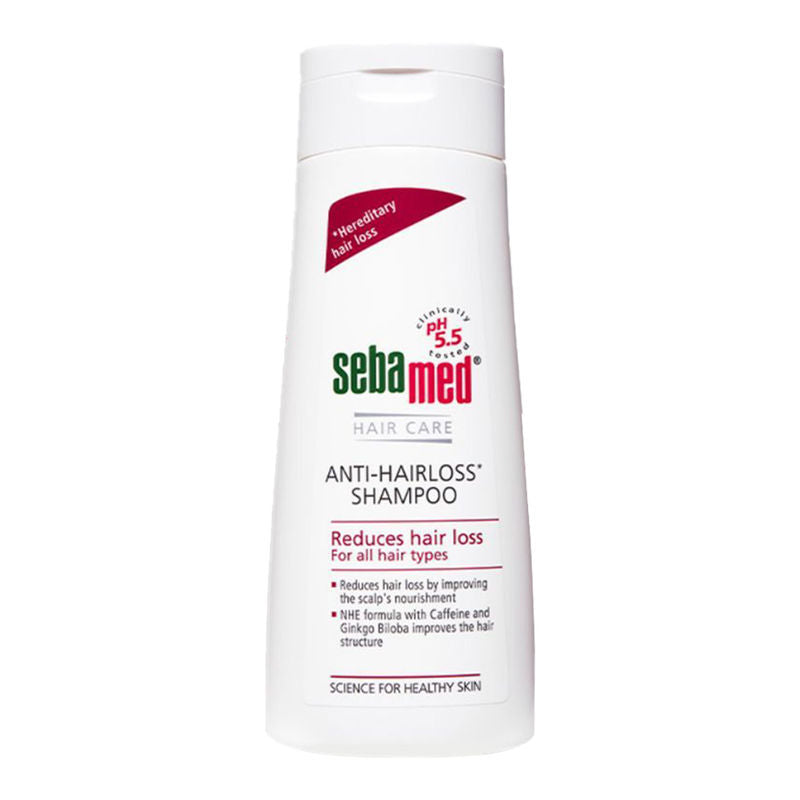
Sebamed Anti- Hairloss Shampoo, PH 5.5, Reduces Hairloss, Caffeine & Gingko Biloba, All Hair Types
Sebamed Anti-Hairloss Shampoo with pH 5.5 helps reduce hair loss and is suitable for all hair types. Contains caffeine and gingko biloba.
Sulfate-free
Paraben-free
Hair Loss
Thinning
All Hair Types
Daily
Optimized for Your Environment & Lifestyle
Nykaa
In stock
Recommended

Sebamed Anti- Hairloss Shampoo, PH 5.5, Reduces Hairloss, Caffeine & Gingko Biloba, All Hair Types
Sebamed
sebamed-anti-hairloss-shampoo-ph-5-5-reduces-hairloss-caffeine-gingko-biloba-all-hair-types
Shampoo
10202962460965
Morning or Evening?
How often will you use this product?
Notes


Secure payment protection
Your Biodata Compatibility Analysis
Based on your 6 hair health indices and environmental factors
Poor Match
Significant incompatibilities
Growth Cycle Health Index
Hair Match
Hair Health Index Alignment
Optimal for OSI, SSI, DI, HSI
Ingredient Efficacy
Matching Ingredient Score
Environment Compatibility
Current UV, Air Quality & Humidity
Why This Works for Your Specific Profile
Damage Index:
Damage levels outside specified range may not benefit optimally from product formulation
Water Quality:
Soft or moderately hard water does not require intensive treatment causing over-cleansing and dryness
Hair:
No porosity-specific conflicts
Active Lifestyle:
Low activity produces insufficient stress or buildup making product intensity unnecessarily harsh
Your Hair Profile Integration
Your Hair Archetype

Density Level

Washing Frequency

Shedding Level

Oil Level
Your Hair Health Indices
Oil Secretion (OSI)
Very low oil production
Scalp Sensitivity (SSI)
Very low sensitivity
Growth Rate (CMR)
Poor metabolism rate
Damage Index (DI)
Minimal damage
Hair Strength (HSI)
Very weak strength
Softness Index (SI)
Significant improvement needed
Water & Environmental Integration

Water:


Expected Results & Timeline
Key Highlights

What is it?
Shampoo with 18 ingredients

Who Is It For
Adults

Budget
$8.39 - $16.78

Timeline
Why You’ll Love It

What Does It Help With?
Hair loss, thinning

Best for
Hair Loss

Features
pH 5.5, reduces hair loss, contains caffeine and gingko biloba, suitable for all hair types, gentle scalp care

Checks
100% Authentic
Ingredients Overview
Ingredients List
aqua,cocamidopropyl-betaine,disodium-cocoamphodiacetate,sodium-laureth-sulfate,creatine,zinc-pca,caffeine,hydroxypropyl-oxidized-starch-pg-trimonium-chloride,gingko-biloba-leaf-extract,glycerin,lactic-acid,piroctone-olamine,menthol,hexyl-nicotinate,butylene-glycol,propylene,peg-55-propylene-glycol-oleate,citric-acid,parfum,phenoxyethanol,sodium-benzoate
Key Ingredients
Caffeine, Gingko Biloba, Creatine, Zinc PCA, Piroctone Olamine
Ingredients Details
Caffeine
Common Name(s): Caffeine,methylxanthine anti-cellulite,antioxidant vasoactive
CAS Number: N/a
DESCRIPTION
What It Does: Stimulates lipolysis in adipocytes by inhibiting phosphodiesterase (preventing camp breakdown), reduces eye puffiness through vasoconstriction of periorbital capillaries, and provides antioxidant dna repair stimulation for photoprotective benefit.
Why It's Used: The only cosmetic active with a well-defined mechanism for anti-cellulite claims — phosphodiesterase inhibition elevating adipocyte camp is the documented biochemical pathway, providing mechanism-based efficacy substantiation superior to most slimming actives.
How It Works: Caffeine inhibits phosphodiesterase (pde3, pde4) preventing camp hydrolysis → elevated camp activates protein kinase a → phosphorylates hormone-sensitive lipase → lipolysis of triglycerides in adipocytes. for eye puffiness: caffeine's adenosine receptor antagonism reduces prostaglandin-mediated capillary dilation in periorbital tissue, reducing fluid accumulation.
Typically Found In: Anti-cellulite,eye creams,antioxidant products
TECHNICAL DETAILS
Primary Category: Active ingredient – antioxidant
Secondary Functions: Free radical scavenging,anti-aging
Application Areas:

Facial Skincare
Body Care

Hair Care
Beard Care
Color Cosmetics (Makeup)
Dietary/Oral Supplements
Typical Concentration Range: 0.1%–3%
SOURCING & ETHICS
Vegan Status: Conditional - supplier confirmation required
Halal Status: Unverified - supplier confirmation required
Source Notes: Plant-derived extract or synthetic. [audit 2026-07-29 rev2: status downgraded on audit. determination requires shariah-panel sign-off.]
SKIN COMPATIBILITY
Irritancy Rating: 1/5 – very low
Comedogenicity Rating: 0/5 – non-comedogenic
Sensitivity Concerns: Non-irritating; well-tolerated.
Safe for Sensitive Skin: Yes
SAFETY & COMPATIBILITY
Safety Profile: Excellent safety profile. ewg score: 1.
Works Well With: Vitamin c,vitamin e,ferulic acid,spf,other antioxidants
Avoid Combining With: No significant incompatibilities
SCIENTIFIC NOTE
Caffeine has one of the highest sc penetration rates of any cosmetic active (logp -0.07, mw 194 da) — the combination of small size and moderate logp providing excellent aqueous solubility with sufficient sc lipid partitioning for effective transdermal delivery to adipose tissue.
Last Verified: 2026-03-12
Primary Sources: Cosing database,caffeine pde inhibitor anti-cellulite lipolysis review
Caffeine
Common Name(s): Caffeine,methylxanthine anti-cellulite,antioxidant vasoactive
CAS Number: N/a
DESCRIPTION
What It Does: Stimulates lipolysis in adipocytes by inhibiting phosphodiesterase (preventing camp breakdown), reduces eye puffiness through vasoconstriction of periorbital capillaries, and provides antioxidant dna repair stimulation for photoprotective benefit.
Why It's Used: The only cosmetic active with a well-defined mechanism for anti-cellulite claims — phosphodiesterase inhibition elevating adipocyte camp is the documented biochemical pathway, providing mechanism-based efficacy substantiation superior to most slimming actives.
How It Works: Caffeine inhibits phosphodiesterase (pde3, pde4) preventing camp hydrolysis → elevated camp activates protein kinase a → phosphorylates hormone-sensitive lipase → lipolysis of triglycerides in adipocytes. for eye puffiness: caffeine's adenosine receptor antagonism reduces prostaglandin-mediated capillary dilation in periorbital tissue, reducing fluid accumulation.
Typically Found In: Anti-cellulite,eye creams,antioxidant products
TECHNICAL DETAILS
Primary Category: Active ingredient – antioxidant
Secondary Functions: Free radical scavenging,anti-aging
Application Areas:
Facial Skincare
Body Care
Hair Care
Beard Care
Color Cosmetics (Makeup)
Dietary/Oral Supplements
Typical Concentration Range: 0.1%–3%
SOURCING & ETHICS
Vegan Status: Conditional - supplier confirmation required
Halal Status: Unverified - supplier confirmation required
Source Notes: Plant-derived extract or synthetic. [audit 2026-07-29 rev2: status downgraded on audit. determination requires shariah-panel sign-off.]
SKIN COMPATIBILITY
Irritancy Rating: 1/5 – very low
Comedogenicity Rating: 0/5 – non-comedogenic
Sensitivity Concerns: Non-irritating; well-tolerated.
Safe for Sensitive Skin: Yes
SAFETY & COMPATIBILITY
Safety Profile: Excellent safety profile. ewg score: 1.
Works Well With: Vitamin c,vitamin e,ferulic acid,spf,other antioxidants
Avoid Combining With: No significant incompatibilities
SCIENTIFIC NOTE
Caffeine has one of the highest sc penetration rates of any cosmetic active (logp -0.07, mw 194 da) — the combination of small size and moderate logp providing excellent aqueous solubility with sufficient sc lipid partitioning for effective transdermal delivery to adipose tissue.
Last Verified: 2026-03-12
Primary Sources: Cosing database,caffeine pde inhibitor anti-cellulite lipolysis review
Creatine
Common Name(s): N-amidinosarcosine,methylguanidoacetic acid
CAS Number: 57-00-1
DESCRIPTION
What It Does: Replenishes cellular atp energy reserves in aging skin cells for improved repair and barrier function.
Why It's Used: Anti-aging cellular energy ingredient targeting the decline in phosphocreatine energy buffering capacity in aging skin fibroblasts.
How It Works: Creatine kinase phosphorylates creatine to phosphocreatine, creating a rapid atp buffer. in energy-demanding conditions (uv damage repair, barrier synthesis), phosphocreatine rapidly regenerates adp to atp maintaining energy supply.
Typically Found In: Anti-aging serums,cellular energy formulations
TECHNICAL DETAILS
Primary Category: Active ingredient – phosphocreatine energy system
Secondary Functions: Atp buffer,cellular energy,dna repair support
Application Areas:
Facial Skincare
Body Care
Hair Care
Beard Care
Color Cosmetics (Makeup)
Dietary/Oral Supplements
Typical Concentration Range: 0.5%–3%
SOURCING & ETHICS
Vegan Status: Conditional - feedstock declaration required
Halal Status: Unverified - feedstock declaration required (plant, animal and petrochemical routes all exist)
Source Notes: Fermentation-derived or synthetic. natural skin component. [audit 2026-07-29 rev2: origin-dependent: the same inci exists in plant, animal and petrochemical versions and the name does not discriminate. determination requires shariah-panel sign-off.]
SKIN COMPATIBILITY
Irritancy Rating: 1/5 – very low
Comedogenicity Rating: 0/5 – non-comedogenic
Sensitivity Concerns: Non-irritating; endogenous skin molecule.
Safe for Sensitive Skin: Yes
SAFETY & COMPATIBILITY
Safety Profile: Excellent safety profile. natural skin nmf component. ewg score: 1.
Works Well With: Hyaluronic acid,ceramides,peptides,other amino acids
Avoid Combining With: No significant incompatibilities
SCIENTIFIC NOTE
Procter & gamble research demonstrated that aging skin has reduced creatine kinase activity and lower phosphocreatine reserves. topical creatine application restores energy reserves and improves repair capacity in aged skin cells, particularly after uv irradiation.
Last Verified: 2026-03-12
Primary Sources: Cosing database,p&g creatine skin research,cir safety assessment
Creatine
Common Name(s): N-amidinosarcosine,methylguanidoacetic acid
CAS Number: 57-00-1
DESCRIPTION
What It Does: Replenishes cellular atp energy reserves in aging skin cells for improved repair and barrier function.
Why It's Used: Anti-aging cellular energy ingredient targeting the decline in phosphocreatine energy buffering capacity in aging skin fibroblasts.
How It Works: Creatine kinase phosphorylates creatine to phosphocreatine, creating a rapid atp buffer. in energy-demanding conditions (uv damage repair, barrier synthesis), phosphocreatine rapidly regenerates adp to atp maintaining energy supply.
Typically Found In: Anti-aging serums,cellular energy formulations
TECHNICAL DETAILS
Primary Category: Active ingredient – phosphocreatine energy system
Secondary Functions: Atp buffer,cellular energy,dna repair support
Application Areas:
Facial Skincare
Body Care
Hair Care
Beard Care
Color Cosmetics (Makeup)
Dietary/Oral Supplements
Typical Concentration Range: 0.5%–3%
SOURCING & ETHICS
Vegan Status: Conditional - feedstock declaration required
Halal Status: Unverified - feedstock declaration required (plant, animal and petrochemical routes all exist)
Source Notes: Fermentation-derived or synthetic. natural skin component. [audit 2026-07-29 rev2: origin-dependent: the same inci exists in plant, animal and petrochemical versions and the name does not discriminate. determination requires shariah-panel sign-off.]
SKIN COMPATIBILITY
Irritancy Rating: 1/5 – very low
Comedogenicity Rating: 0/5 – non-comedogenic
Sensitivity Concerns: Non-irritating; endogenous skin molecule.
Safe for Sensitive Skin: Yes
SAFETY & COMPATIBILITY
Safety Profile: Excellent safety profile. natural skin nmf component. ewg score: 1.
Works Well With: Hyaluronic acid,ceramides,peptides,other amino acids
Avoid Combining With: No significant incompatibilities
SCIENTIFIC NOTE
Procter & gamble research demonstrated that aging skin has reduced creatine kinase activity and lower phosphocreatine reserves. topical creatine application restores energy reserves and improves repair capacity in aged skin cells, particularly after uv irradiation.
Last Verified: 2026-03-12
Primary Sources: Cosing database,p&g creatine skin research,cir safety assessment
Personalized Usage Instructions
How to Use
Step 1
Wet hair and work shampoo into a lather
Step 2
Massage scalp gently with fingertips for 2 minutes
Step 3
Use recommended amount: full cap for normal scalp, 3/4 cap every second day for sensitive scalp
Step 4
Rinse thoroughly
Medical Chemicals

Protein/Moisture
- Protein/Moisture balance
pH Level
- Acidic/5.5

Porosity Taget
- Normal Porosity
Customized for Your Profile
Scalp Condtions
pH Balanced, Oil Control, Sensitive Scalp
Climate Suitability
All Climates
Clinical Claims
Frequency
Wet hair and work shampoo into a lather. Massage scalp gently with fingertips for 2 minutes. Use recommended amount: full cap for normal scalp, 3/4 cap every second day for sensitive scalp. Rinse thoroughly.
Product Information

100% Authentic