

Sara
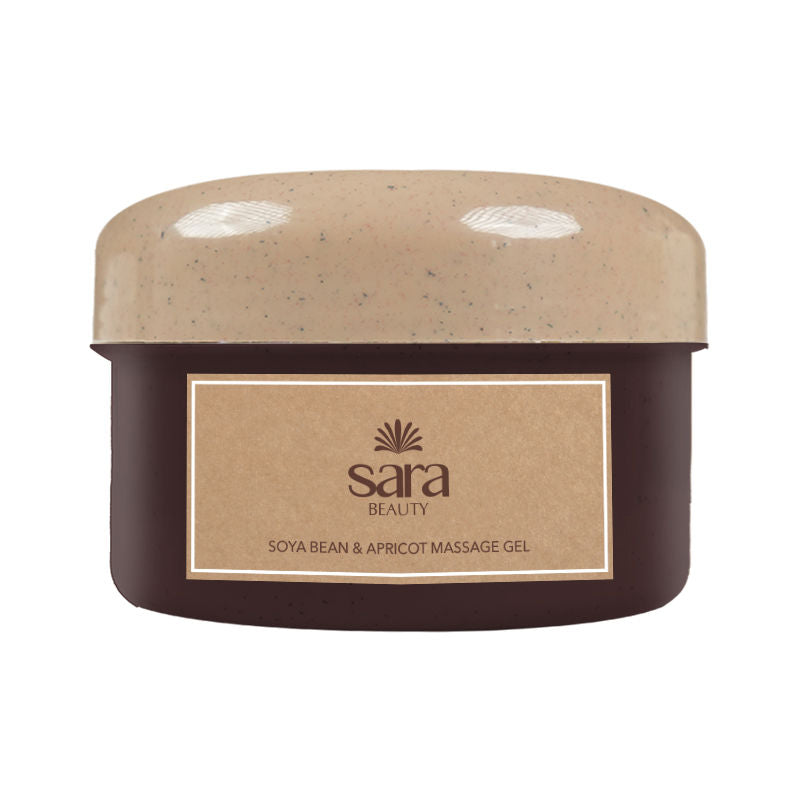
Sara Soya & Apricot Massage Gel

Sara Soya & Apricot Massage Gel
Sara
sara-soya-apricot-massage-gel
Moisturize
10084926292261
Morning or Evening?
How often will you use this product?
Notes


Highlights
WHAT IS IT?
Massage gel with multiple natural extracts including soya and apricot
FEATURES
Nourishment, Anti-Aging, Relaxation, sulfate-free, non-drying, deep cleaining pores, suitable for all skin types
BEST FOR
sensitive
CHECKS
Sulfates, Phthalates, Parabens
Who Is It For?
What Does It Help With?
Dryness Dullness Stress Fine Lines Wrinkles Skin Hydration And RadianceBudget
Mid-range ($30-$75)How To Use
Which routine should it be used in?
Instructions:
Key Information


What Sara Says
Product Description:
Sara Soya & Apricot Massage Gel, infused with Aloe Barbadensis Leaf Extract, it soothes and revitalizes your skin, while Cucumis Sativus Extract delivers an invigorating burst of freshness. The hero ingredient, Soybean Apricot Extract, ensures a silky-smooth application, leaving your skin looking youthful and luminous. Designed to deep-clean pores, this sulfate-free, non-drying gel transforms dull and tired skin into a hydrated, radiant canvas. With its divine fragrance, every use becomes a sensory treat, turning your daily routine into a moment of pure relaxation. Backed by 33 years of Ayurvedic research and Ayush-certified, this gel is suitable for all skin types, even sensitive skin. Say goodbye to dryness, dullness, and stress-unveil glowing, healthier skin instantly with Sara Soya & Apricot Massage Gel. Free from sulfates, phthalates, and parabens, it’s the perfect addition to your skincare ritual.ya Bean & Apricot Massage Gel is a sulphate free, non drying gel to deep clean the pores while revealing a radiant glow. It is a perfect massage gel for application over the dull & tired skin to make it look hydrate and healthier instantly. Features: Nourishment: Enriched with soya and apricot extracts to deeply nourish and replenish skin, leaving it glowing. Anti-Aging: Reduces fine lines and wrinkles, promoting a youthful and radiant complexion. Relaxation: Provides a calming massage experience, relieving stress and rejuvenating your skin.
About the Brand:
Ingredients Overview
Ingredients List
Aqua, Polyethylene Glycol, Glycerine, Prunus-Armeniaca-Fruit-Extract, Hydrolyzed-Soy-Protein, Bear-Berry-Leaf-Extract, C10-30-Alkyl-Acrylate-Cross-Polymer, Dmdm-Hydantoin, Peony-Extract, Sodium-Hyrulonate, Perfume, Color
Key Ingredients
Glycerin, Soybean, Apricot
Ingredients Details
Glycerine
Common Name(s): Glycerin,universal humectant,water-binding skin conditioning
CAS Number: N/a
DESCRIPTION
What It Does: Attracts and retains moisture in the sc, improves skin barrier function at low concentrations, provides gentle keratolytic softening, and acts as a co-solvent for water-soluble actives.
Why It's Used: The reference humectant — lowest cost, best safety profile, universal formulation compatibility, and present naturally in the sc via lipase-mediated glycerolipid hydrolysis makes glycerin the industry standard against which all humectants are benchmarked.
How It Works: Three hydroxyl groups form 6 h-bonds with water molecules per glycerol unit — the highest oh-group density per carbon of any commercial humectant. glycerin also down-regulates epidermal serine proteases that overactivate in dry sc, improving desquamation and barrier integrity.
Typically Found In: All cosmetics,universal
TECHNICAL DETAILS
Primary Category: Functional ingredient – humectant
Secondary Functions: Tewl reduction,skin plumping
Application Areas:

Facial Skincare
Body Care
Hair Care

Beard Care
Color Cosmetics (Makeup)
Dietary/Oral Supplements
Typical Concentration Range: 1%–40%
SOURCING & ETHICS
Vegan Status: Yes
Halal Status: Yes
Source Notes: Synthetic or naturally derived. excellent aqueous solubility.
SKIN COMPATIBILITY
Irritancy Rating: 1/5 – very low
Comedogenicity Rating: 0/5 – non-comedogenic
Sensitivity Concerns: Non-irritating; suitable for all skin types.
Safe for Sensitive Skin: Yes
SAFETY & COMPATIBILITY
Safety Profile: Excellent safety profile. ewg score: 1.
Works Well With: Ceramides,emollients,occlusives,glycerin,hyaluronic acid
Avoid Combining With: No significant incompatibilities
SCIENTIFIC NOTE
Epidermal lipases hydrolyse sc glycerophospholipids during cornification, releasing glycerol that contributes to the natural nmf — topical glycerin directly supplements this endogenous sc humectant pool.
Last Verified: Cosing database,glycerin universal humectant review
Primary Sources: 2026-03-12
Polyethylene Glycol
Common Name(s): Polyethylene glycol,cosmetic active,functional ingredient
CAS Number: N/a
DESCRIPTION
What It Does: Delivers characteristic cosmetic function at recommended use concentration.
Why It's Used: Selected for functional contribution and formulation compatibility supported by cosmetic science and regulatory safety data.
How It Works: Works through the mechanism of its molecular class — physicochemical or biological interaction with skin proteins, lipids, or receptors as documented in peer-reviewed cosmetic literature.
Typically Found In: Skin care formulations
TECHNICAL DETAILS
Primary Category: Active ingredient – cosmetic active
Secondary Functions: Skin conditioning
Application Areas:
Facial Skincare
Body Care
Hair Care
Beard Care
Color Cosmetics (Makeup)
Dietary/Oral Supplements
Typical Concentration Range: 0.1%–10%
SOURCING & ETHICS
Vegan Status: Conditional
Halal Status: Yes
Source Notes: Commercially produced for cosmetic use. verify vegan/halal status with supplier.
SKIN COMPATIBILITY
Irritancy Rating: 1/5 – very low
Comedogenicity Rating: 0/5 – non-comedogenic
Sensitivity Concerns: Well-tolerated by most skin types.
Safe for Sensitive Skin: Yes
SAFETY & COMPATIBILITY
Safety Profile: Good safety profile at recommended concentrations. ewg score: 1–2.
Works Well With: Standard skincare actives
Avoid Combining With: No known significant incompatibilities
SCIENTIFIC NOTE
Polyethylene glycol has an established safety and efficacy profile within the cosmetic regulatory framework at standard use concentrations.
Last Verified: Cosing database,polyethylene glycol technical literature
Primary Sources: 2026-03-12
