

Purearth
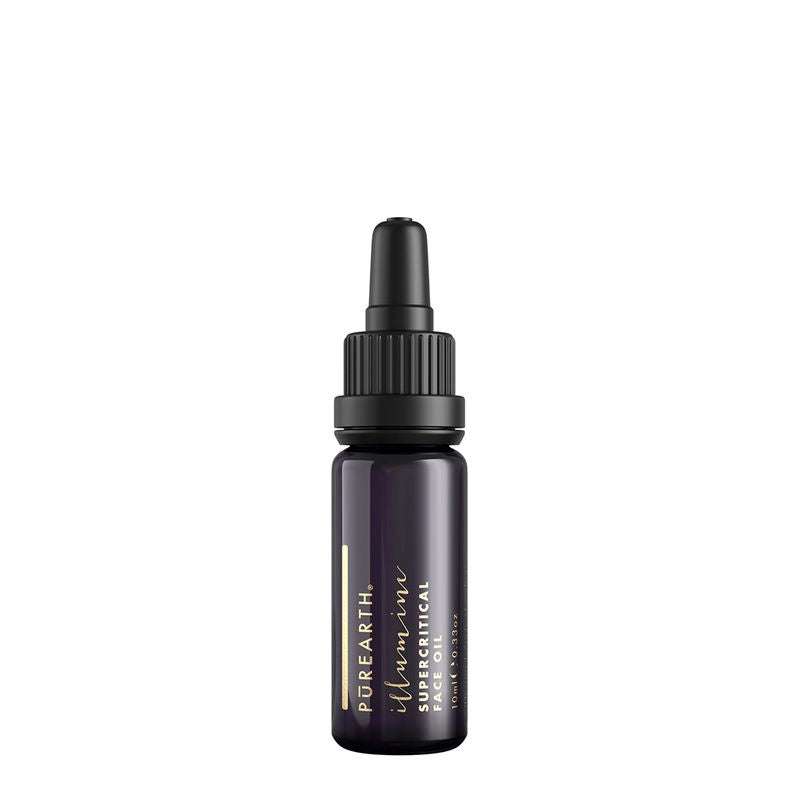
Purearth Illumine Supercritical Face Oil

Purearth Illumine Supercritical Face Oil
Purearth
purearth-illumine-supercritical-face-oil
Face Oil
10085019681061
Morning or Evening?
How often will you use this product?
Notes


Highlights
WHAT IS IT?
Face Oil with 10 main botanical ingredients
FEATURES
Plumps skin, softens lines, luminescent glow, includes rare omega 7, squalene, provitamin A, uses wild foraged and supercritical CO2 extracted oils, aromatic steam distilled plant essences
BEST FOR
sensitive
CHECKS
No preservatives, not deodorized, possibly natural fragrance variations
Who Is It For?
What Does It Help With?
Skin Repair Skin Regeneration Nourishment Hydration Softening LinesBudget
Premium ($76-$150)How To Use
Which routine should it be used in?
Instructions:
Key Information


What Purearth Says
Product Description:
Luminous. Nourished. Radiant. A powerhouse superstar! The award winning Illumine possesses an extraordinary ability to plump skin and soften lines on any complexion, bathing skin with a luminescent glow. Wild foraged, supercritical CO2 extracted oils of Himalayan seabuckthorn berry and rosehip seed, carefully hand blended with amaranth, bitter apricot and hemp oils. Offering the world's highest botanical source of rare omega 7, squalene and provitamin A for deep repair and skin regeneration. Rich in bio available phytonutrients, Illumine is infused with aromatic steam distilled plant essences. Breathe deeply as the sensuous, calming notes linger on your skin as a gentle perfume. Composed with rare botanical oils that are natural, unrefined, non deodorized, and may vary in colour and fragrance with changes in seasonal harvests. Hand filled and bottled in recyclable violetglass to protect the bio-active energy of Purearth's precious oils.
About the Brand:
Ingredients Overview
Ingredients List
prunus-armeniaca-apricot-kernel-oil, hippophae-rhamnoides-seabuckthorn-berry-oil, amaranthus-caudatus-amaranth-seed-oil, rosa-moschata-rosehip-seed-oil, cannabis-sativa-hemp-seed-oil, steam-distilled-essential-oils-of-rosa-damascena-taruni, pelargonium-graveolens-geranium, boswellia-sacra-frankincense, lavandula-angustifolia-lavender, citrus-aurantium-amara-neroli, citronellol, limonene, eugenol, farnesol, geraniol, linalool
Key Ingredients
seabuckthorn-berry-oil, rosehip-seed-oil, amaranth-seed-oil, apricot-kernel-oil, hemp-seed-oil
Ingredients Details
Citronellol
Common Name(s): (r)-3,7-dimethyl-6-octen-1-ol,rhodinol
CAS Number: 106-22-9
DESCRIPTION
What It Does: Provides soft, lasting rose-floral fragrance note.
Why It's Used: Essential rose fragrance monoterpene for lasting smooth floral notes in high-quality perfumery and cosmetic fragrances.
How It Works: Allylic alcohol monoterpene provides fixative property in fragrance blends. good skin substantivity for lasting scent. softer, rounder rose note vs geraniol's fresher character. natural in rose otto at 18-34%.
Typically Found In: Rose perfumes,floral fragrances,luxury skincare
TECHNICAL DETAILS
Primary Category: Fragrance component – monoterpene alcohol
Secondary Functions: Skin conditioning
Application Areas:

Facial Skincare

Body Care
Hair Care
Beard Care
Color Cosmetics (Makeup)
Dietary/Oral Supplements
Typical Concentration Range: 0.001%–1%
SOURCING & ETHICS
Vegan Status: Conditional - supplier confirmation required
Halal Status: Unverified - supplier confirmation required
Source Notes: Commercially produced for cosmetic use. verify vegan/halal status with supplier. [audit 2026-07-29 rev2: the record's own source_notes does not assert a non-animal origin, or instructs the reader to verify with the supplier; "yes" asserts knowledge the record does not hold. determination requires shariah-panel sign-off.]
SKIN COMPATIBILITY
Irritancy Rating: 1/5 – very low
Comedogenicity Rating: 0/5 – non-comedogenic
Sensitivity Concerns: Well-tolerated by most skin types.
Safe for Sensitive Skin: Yes
SAFETY & COMPATIBILITY
Safety Profile: Eu cosmetics regulation: declared fragrance allergen. ifra guidelines apply.
Works Well With: Standard skincare actives
Avoid Combining With: No known significant incompatibilities
SCIENTIFIC NOTE
Citronellol's r-enantiomer (natural) vs s-enantiomer (synthetic) provide meaningfully different scent character – a remarkable demonstration of chiral scent discrimination by olfactory receptors. the (r) form provides the characteristic rose note while the (s) form has a distinctly different, less pleasant character. this enantiomeric scent difference means that the biological handedness of naturally-sourced vs racemic synthetic citronellol produces perceptibly different fragrance quality.
Last Verified: 2026-03-12
Primary Sources: Cosing database,ifra standards
Eugenol
Common Name(s): 4-allyl-2-methoxyphenol,clove oil component,caryophyllene companion
CAS Number: 97-53-0
DESCRIPTION
What It Does: Provides warm clove fragrance note with local anaesthetic and antimicrobial properties.
Why It's Used: Natural local anaesthetic fragrance – eugenol provides clove's dual function as both a fragrance compound and a topical anaesthetic used in dentistry for pain relief.
How It Works: Activates trpv1 for local anaesthetic desensitisation (same mechanism as capsaicin but much weaker). inhibits cox and lox for anti-inflammatory activity. membrane disruption for antimicrobial activity. antioxidant via phenolic radical scavenging.
Typically Found In: Spice fragrances,dental products,clove-scented cosmetics
TECHNICAL DETAILS
Primary Category: Fragrance component – phenylpropanoid
Secondary Functions: Skin conditioning
Application Areas:
Facial Skincare
Body Care
Hair Care
Beard Care
Color Cosmetics (Makeup)
Dietary/Oral Supplements
Typical Concentration Range: 0.001%–0.5%
SOURCING & ETHICS
Vegan Status: Conditional - supplier confirmation required
Halal Status: Unverified - supplier confirmation required
Source Notes: Commercially produced for cosmetic use. verify vegan/halal status with supplier. [audit 2026-07-29 rev2: the record's own source_notes does not assert a non-animal origin, or instructs the reader to verify with the supplier; "yes" asserts knowledge the record does not hold. determination requires shariah-panel sign-off.]
SKIN COMPATIBILITY
Irritancy Rating: 1/5 – very low
Comedogenicity Rating: 0/5 – non-comedogenic
Sensitivity Concerns: Well-tolerated by most skin types.
Safe for Sensitive Skin: Yes
SAFETY & COMPATIBILITY
Safety Profile: Eu cosmetics regulation: declared fragrance allergen. ifra guidelines apply. sensitiser at high concentrations.
Works Well With: Standard skincare actives
Avoid Combining With: No known significant incompatibilities
SCIENTIFIC NOTE
Eugenol's dental anaesthetic use predates modern pharmaceutical dentistry – oil of cloves (primarily eugenol) has been used for toothache relief for centuries. modern dentistry still uses eugenol in zinc oxide-eugenol cement for temporary cavity filling, where eugenol's trpv1 desensitisation provides pain relief while zinc oxide provides structural material – a pharmaceutical application of a fragrance compound still standard in clinical dentistry.
Last Verified: 2026-03-12
Primary Sources: Cosing database,ifra standards,eugenol dental review
Farnesol
Common Name(s): Fragrance ingredient,eu allergen or aromatic component,olfactory/flavour
CAS Number: N/a
DESCRIPTION
What It Does: Provides specific aromatic character and olfactory experience contributing to product sensory experience and consumer appeal.
Why It's Used: Fragrance components are the primary cause of cosmetic contact sensitisation — eu requires individual label declaration of 26 identified fragrance allergens above threshold concentrations.
How It Works: Terpenoid and phenylpropanoid aromatic chemicals interact with olfactory receptor neurons (orns) in the nasal epithelium — small volatile molecules (logp 2–5, mw 100–300) bind g-protein coupled olfactory receptors triggering neurological scent perception. sensitisation risk from electrophilic reactivity of certain functional groups (aldehydes, α,β-unsaturated carbonyls) with skin proteins.
Typically Found In: All fragrance products
TECHNICAL DETAILS
Primary Category: Active ingredient – cosmetic active
Secondary Functions: Skin conditioning
Application Areas:
Facial Skincare
Body Care
Hair Care
Beard Care
Color Cosmetics (Makeup)
Dietary/Oral Supplements
Typical Concentration Range: Declare on label above threshold (eu)
SOURCING & ETHICS
Vegan Status: Conditional - supplier confirmation required
Halal Status: Unverified - supplier confirmation required
Source Notes: Commercially produced for cosmetic use. verify vegan/halal status with supplier. [audit 2026-07-29 rev2: the record's own source_notes does not assert a non-animal origin, or instructs the reader to verify with the supplier; "yes" asserts knowledge the record does not hold. determination requires shariah-panel sign-off.]
SKIN COMPATIBILITY
Irritancy Rating: 1/5 – very low
Comedogenicity Rating: 0/5 – non-comedogenic
Sensitivity Concerns: Well-tolerated by most skin types.
Safe for Sensitive Skin: Yes
SAFETY & COMPATIBILITY
Safety Profile: Good safety profile at recommended concentrations. ewg score: 1–2.
Works Well With: Standard skincare actives
Avoid Combining With: No known significant incompatibilities
SCIENTIFIC NOTE
Eu 1223/2009 annex iii allergen threshold: >0.001% in rinse-off, >0.0001% in leave-on — any listed allergen exceeding these levels requires individual inci label declaration separate from the generic fragrance/parfum declaration.
Last Verified: 2026-03-12
Primary Sources: Eu regulation 1223/2009 annex iii,fragrance allergen declaration requirements
Geraniol
Common Name(s): (e)-3,7-dimethyl-2,6-octadien-1-ol,geranyl alcohol
CAS Number: 106-24-1
DESCRIPTION
What It Does: Provides fresh rose-geranium floral scent with antimicrobial activity.
Why It's Used: The rose fragrance terpene – geraniol defines the fresh, sweet rose-geranium note found in more than 60 essential oils and is essential for recreating natural floral fragrance profiles.
How It Works: Monoterpene alcohol inhibits bacterial membrane integrity for antimicrobial activity. activates trpv1 for anti-nociception. inhibits nf-kb for anti-inflammatory activity. antioxidant via allylic radical scavenging.
Typically Found In: Rose-scented products,floral fragrances,natural cosmetics
TECHNICAL DETAILS
Primary Category: Fragrance component – acyclic monoterpene alcohol
Secondary Functions: Skin conditioning
Application Areas:
Facial Skincare
Body Care
Hair Care
Beard Care
Color Cosmetics (Makeup)
Dietary/Oral Supplements
Typical Concentration Range: 0.001%–1%
SOURCING & ETHICS
Vegan Status: Conditional - supplier confirmation required
Halal Status: Unverified - supplier confirmation required
Source Notes: Commercially produced for cosmetic use. verify vegan/halal status with supplier. [audit 2026-07-29 rev2: the record's own source_notes does not assert a non-animal origin, or instructs the reader to verify with the supplier; "yes" asserts knowledge the record does not hold. determination requires shariah-panel sign-off.]
SKIN COMPATIBILITY
Irritancy Rating: 1/5 – very low
Comedogenicity Rating: 0/5 – non-comedogenic
Sensitivity Concerns: Well-tolerated by most skin types.
Safe for Sensitive Skin: Yes
SAFETY & COMPATIBILITY
Safety Profile: Eu cosmetics regulation: declared fragrance allergen. ifra guidelines apply.
Works Well With: Standard skincare actives
Avoid Combining With: No known significant incompatibilities
SCIENTIFIC NOTE
Geraniol's isomers (geraniol, nerol, citronellol) provide subtly different scent characters despite identical molecular formulae (c10h18o): geraniol provides the sweet, fresh rose note while its z-isomer nerol has a more delicate, neroli-like character. these isomeric scent differences arise from different spatial presentation of the hydroxyl and double bond groups to the olfactory receptor – demonstrating the extraordinary structural sensitivity of olfactory perception.
Last Verified: 2026-03-12
Primary Sources: Cosing database,ifra standards