

Oxyglow Herbals
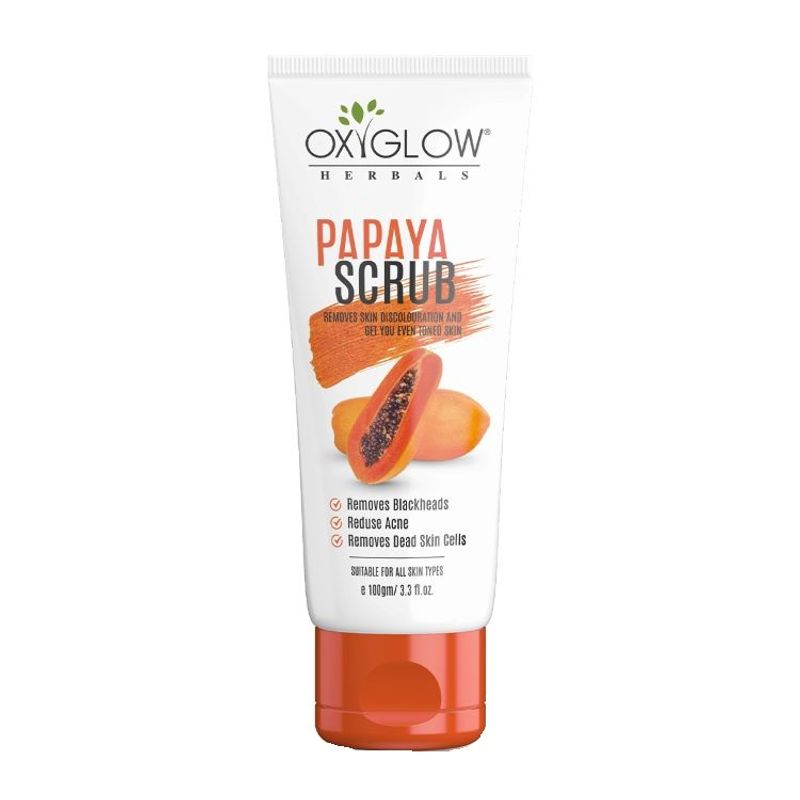
Oxyglow Herbals Papaya Scrub

Oxyglow Herbals Papaya Scrub
Oxyglow Herbals
oxyglow-herbals-papaya-scrub
Exfoliation
10085067817253
Morning or Evening?
How often will you use this product?
Notes


Highlights
WHAT IS IT?
Papaya scrub exfoliator product
FEATURES
Exfoliates dead skin cells,Gentle papain enzyme exfoliation,Unclogs pores,Brightens skin,Fades dark spots and hyperpigmentation,Hydrates skin with vitamins A, C, E
BEST FOR
sensitive
CHECKS
Does not contain synthetic exfoliants or harsh chemicals
Who Is It For?
Men And Women All AgesWhat Does It Help With?
Exfoliation Brightening Unclogging Pores HydrationBudget
Affordable (under $30)How To Use
Which routine should it be used in?
Instructions:
Key Information


What Oxyglow Herbals Says
Product Description:
A papaya scrub is a skincare product made from papaya extract or papaya enzymes combined with exfoliating agents like sugar or ground seeds. Papaya contains enzymes such as papain and alpha-hydroxy acids (AHAs) which help in exfoliating dead skin cells, revealing smoother and brighter skin. To make a DIY papaya scrub, you can mash ripe papaya and mix it with a natural exfoliant like sugar or oatmeal. Apply the mixture to damp skin, gently massage in circular motions, and then rinse off with warm water. Remember to do a patch test first, especially if you have sensitive skin, to ensure you don't have any adverse reactions. And as with any skincare product, it's important to moisturize afterwards to keep your skin hydrated. Features: Exfoliation: The enzymes in papaya, such as papain, help to gently exfoliate the skin by breaking down dead skin cells. This promotes cell turnover, revealing smoother and brighter skin. Unclogs Pores: Regular use of papaya scrub can help unclog pores by removing dirt, oil, and other impurities from the skin's surface, reducing the likelihood of acne breakouts and blackheads. Brightens Skin: The natural exfoliating action of papaya scrub helps to fade dark spots, hyperpigmentation, and uneven skin tone, resulting in a more radiant complexion. Hydration: Papaya contains vitamins A, C, and E, which nourish and hydrate the skin, leaving it soft and supple.
About the Brand:
Ingredients Overview
Ingredients List
walnut-shell,glycerin,papaya-extract,apricot-oil,almond-oil
Key Ingredients
papaya-extract,papain,alpha-hydroxy-acids,walnut-shell,apricot-oil,almond-oil
Ingredients Details
Glycerin
Common Name(s): Glycerol,glycerine,1,2,3-propanetriol
CAS Number: 56-81-5
DESCRIPTION
What It Does: Glycerin pulls water from the environment and deeper skin layers into the outer skin layer (epidermis), boosting moisture levels and keeping skin soft, smooth, and plump.
Why It's Used: It is used in virtually every moisturizer, serum, and cleanser because it is highly effective at hydrating skin, is well-tolerated by all skin types, and enhances the texture and spreadability of formulations.
How It Works: As a humectant, glycerin forms hydrogen bonds with water molecules, trapping them in the skin. it also reinforces the skin barrier by integrating into lipid structures between skin cells.
Typically Found In: Moisturizers,serums,cleansers,toners,sheet masks,sunscreens,body lotions,shampoos,conditioners
TECHNICAL DETAILS
Primary Category: Humectant
Secondary Functions: Skin barrier support,emollient,solvent
Application Areas:

Facial Skincare
Body Care
Hair Care
Beard Care

Color Cosmetics (Makeup)
Dietary/Oral Supplements
Typical Concentration Range: 1%–30% (typical: 3–10%)
SOURCING & ETHICS
Vegan Status: Conditional - feedstock declaration required
Halal Status: Unverified - feedstock declaration required (plant, animal and petrochemical routes all exist)
Source Notes: Derived from plant oils via hydrolysis or saponification; synthetic versions also available. palm-derived glycerin carries sustainability concerns. [audit 2026-07-29 rev2: origin-dependent: the same inci exists in plant, animal and petrochemical versions and the name does not discriminate. determination requires shariah-panel sign-off.]
SKIN COMPATIBILITY
Irritancy Rating: 1/5 – very low; non-irritating at all standard concentrations
Comedogenicity Rating: 0/5 – non-comedogenic
Sensitivity Concerns: Extremely rare allergic reactions; generally safe for all skin types including sensitive and baby skin
Safe for Sensitive Skin: Yes
SAFETY & COMPATIBILITY
Safety Profile: Widely recognized as safe. ewg hazard score: 1. no significant concerns for irritation, sensitization, or toxicity at typical concentrations (up to 50%).
Works Well With: Hyaluronic acid,ceramides,niacinamide,panthenol,urea,peptides,retinol,ahas/bhas
Avoid Combining With: No known incompatibilities at standard concentrations
SCIENTIFIC NOTE
Glycerin is an endogenous skin component found naturally in the stratum corneum. aquaporin-3 channels in keratinocytes facilitate glycerin transport, making it integral to natural skin hydration pathways.
Last Verified: 2026-03-12
Primary Sources: Cosing database,cir safety assessment,ewg skin deep,inci decoder