

Murad
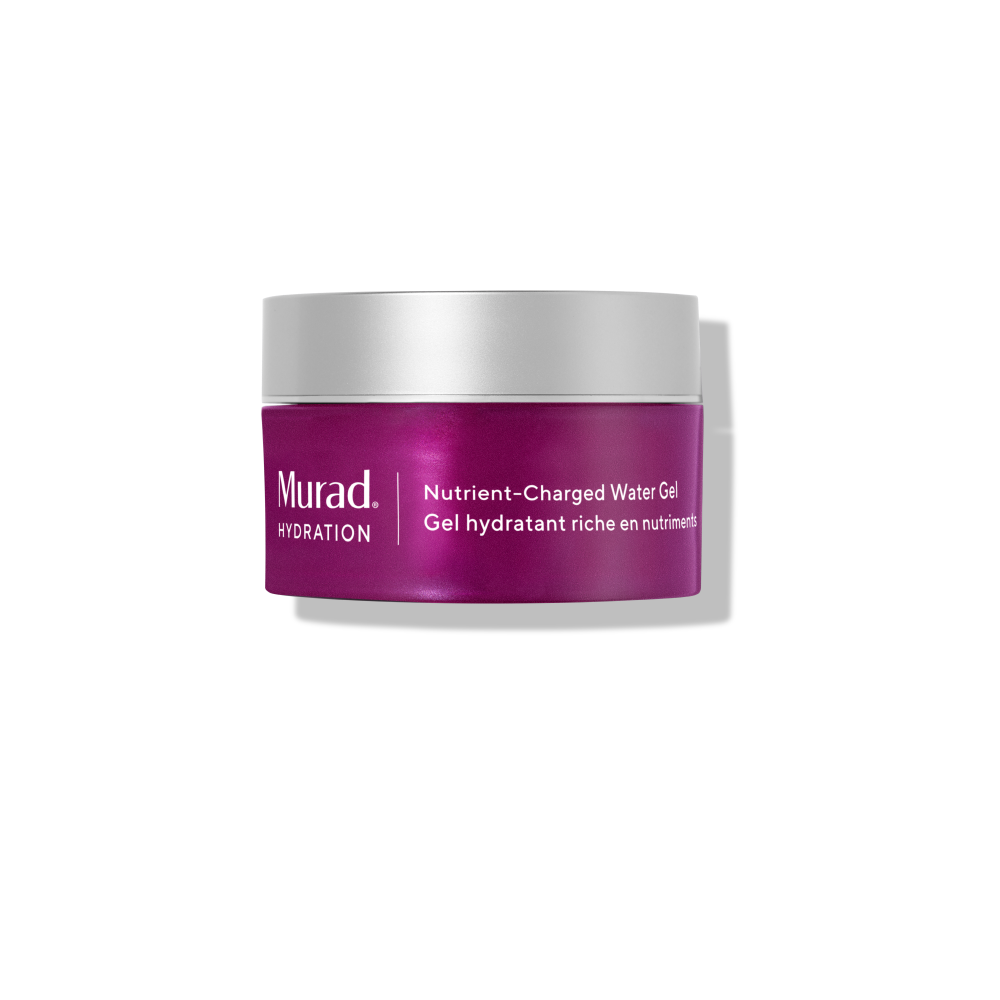
Nutrient-Charged Water Gel

Nutrient-Charged Water Gel
Murad
nutrient-charged-water-gel
Moisturize
9784843600165
Morning or Evening?
How often will you use this product?
Notes


Highlights
WHAT IS IT?
Water gel moisturizer with 15 key ingredients (5 vitamins, 5 minerals, 5 peptides)
FEATURES
Instant hydration, plumping effect, moisture-locking, strengthens skin barrier, 5-day hydration retention
BEST FOR
sensitive
CHECKS
Parabens-free, phthalates-free, sulfates-free
Who Is It For?
All Ages All GendersWhat Does It Help With?
Dryness Dehydration Skin Barrier StrengthBudget
Mid-range ($30-$75)How To Use
Which routine should it be used in?
Instructions:
Key Information


What Murad Says
Product Description:
Water-light gel moisturizer instantly hydrates, plumps and locks in moisture. Enriched with 5 vitamins, 5 minerals and 5 peptides to minimize dryness and strengthen skin's barrier. Cumulative Hydration-Release Technology increases retention for up to 5 days.
About the Brand:
Ingredients Overview
Ingredients List
Water/Aqua/Eau, Dimethicone, Glycerin, Propanediol, Polymethylsilsesquioxane/Silica Crosspolymer, Hydroxyethyl Acrylate/Sodium Acryloyldimethyl Taurate Copolymer, Isononyl Isononanoate, Saccharide Isomerate, Hydroxyethyl Urea, Ceramide NP, Ceramide AP, Ceramide EOP, sh-Oligopeptide-1, sh-Oligopeptide-2, sh-Polypeptide-1, sh-Polypeptide-9, sh-Polypeptide-11, Saccharomyces/Zinc Ferment, Saccharomyces/Copper Ferment, Saccharomyces/Magnesium Ferment, Saccharomyces/Iron Ferment, Saccharomyces/Silicon Ferment, Leuconostoc/Radish Root Ferment Filtrate, Bacillus/Folic Acid Ferment Extract, Trehalose, Taurine, Serine, Tocopheryl Acetate, Calcium Pantothenate, Niacinamide, Phytantriol, Acetyl Glutamine, Urea, Cholesterol, Yeast Amino Acids, Phytosphingosine, Inositol, Betaine, Lecithin, Sodium Ascorbyl Phosphate, Sodium Hyaluronate, Pyridoxine HCl, Sucrose, Algin, Pullulan, Maltodextrin, Polysilicone-11, Glyceryl Polyacrylate, Decyl Glucoside, Pentylene Glycol, Hexylene Glycol, Caprylyl Glycol, Butylene Glycol, Ethylhexyl Isononanoate, Polyisobutene, Silica, Sodium Starch Octenylsuccinate, PEG-7 Trimethylolpropane Coconut Ether, Trisodium Ethylenediamine Disuccinate, Disodium Phosphate, Potassium Phosphate, Carbomer, Xanthan Gum, Sodium Lauroyl Lactylate, 1,2-Hexanediol, Phenoxyethanol, Ethylhexylglycerin, Fragrance (Parfum), Red 33 (CI 17200), Red 4 (CI 14700)
Key Ingredients
niacinamide, peptides, vitamins, minerals
Ingredients Details
Ceramide Ap
Common Name(s): Ceramide 6 ii,n-(2-hydroxy)-stearoyl phytosphingosine,alpha-hydroxy ceramide
CAS Number: 100403-19-8
DESCRIPTION
What It Does: Provides alpha-hydroxy ceramide for complementary barrier repair alongside ceramide np and eop.
Why It's Used: Essential barrier ceramide trio component — ceramide ap's alpha-hydroxy fatty acid provides the specific lamellar body formation chemistry needed for complete barrier restoration with ceramide np and ceramide eop.
How It Works: N-(2-hydroxyfatty acid) phytosphingosine: 2-hydroxylation of fatty acid is critical for optimal packing of ceramide ap in lamellar lipid bilayers. the alpha-hydroxy group creates stronger intermolecular hydrogen bonding between ceramide ap molecules than non-hydroxylated ceramides. used in combination with ceramide np and ceramide eop for comprehensive barrier repair.
Typically Found In: Complete barrier repair formulas,triple ceramide systems,eczema treatment
TECHNICAL DETAILS
Primary Category: Active ingredient – alpha-hydroxy ceramide
Secondary Functions: Skin conditioning
Application Areas:

Facial Skincare

Body Care
Hair Care
Beard Care
Color Cosmetics (Makeup)
Dietary/Oral Supplements
Typical Concentration Range: 0.01%–1%
SOURCING & ETHICS
Vegan Status: Conditional – plant-derived phytosphingosine available
Halal Status: Yes
Source Notes: Commercially produced for cosmetic use. verify vegan/halal status with supplier.
SKIN COMPATIBILITY
Irritancy Rating: 1/5 – very low
Comedogenicity Rating: 0/5 – non-comedogenic
Sensitivity Concerns: Well-tolerated by most skin types.
Safe for Sensitive Skin: Yes
SAFETY & COMPATIBILITY
Safety Profile: Good safety profile at recommended concentrations. ewg score: 1–2.
Works Well With: Standard skincare actives
Avoid Combining With: No known significant incompatibilities
SCIENTIFIC NOTE
The ceramide np + ceramide ap + ceramide eop triple combination mimics the natural ratio of ceramide classes in healthy stratum corneum (approximately 1:0.5:0.3 ratio). clinical studies comparing single ceramide vs triple ceramide barrier repair show significantly greater tewl reduction with triple ceramide combinations — the complementary molecular packing geometries of different ceramide classes creating a more complete lamellar bilayer than any single ceramide can provide.
Last Verified: Cosing database,elias & feingold barrier ceramide review
Primary Sources: 2026-03-12
Ceramide Np
Common Name(s): Ceramide 3,n-stearoyl phytosphingosine,ceramide type iii
CAS Number: 100403-19-8
DESCRIPTION
What It Does: Provides the most abundant natural skin ceramide for precise stratum corneum barrier lipid replacement.
Why It's Used: The primary skin ceramide — ceramide np's identity as the dominant stratum corneum ceramide fraction makes it the most physiologically relevant barrier lipid replacement for dry skin and eczema.
How It Works: N-stearoyl-phytosphingosine provides the exact molecular structure of the most abundant natural skin ceramide. integrates into stratum corneum lamellar lipid bilayers restoring barrier architecture. reduces tewl, improves corneometer moisture, restores barrier integrity. synergistic with cholesterol and fatty acids in barrier restoration.
Typically Found In: Barrier repair moisturisers,eczema care,dry skin treatment
TECHNICAL DETAILS
Primary Category: Active ingredient – phytosphingosine ceramide
Secondary Functions: Skin conditioning
Application Areas:
Facial Skincare
Body Care
Hair Care
Beard Care
Color Cosmetics (Makeup)
Dietary/Oral Supplements
Typical Concentration Range: 0.01%–5%
SOURCING & ETHICS
Vegan Status: Conditional – from wheat or phytosphingosine fermentation; plant-derived available
Halal Status: Yes
Source Notes: Commercially produced for cosmetic use. verify vegan/halal status with supplier.
SKIN COMPATIBILITY
Irritancy Rating: 1/5 – very low
Comedogenicity Rating: 0/5 – non-comedogenic
Sensitivity Concerns: Well-tolerated by most skin types.
Safe for Sensitive Skin: Yes
SAFETY & COMPATIBILITY
Safety Profile: Good safety profile at recommended concentrations. ewg score: 1–2.
Works Well With: Standard skincare actives
Avoid Combining With: No known significant incompatibilities
SCIENTIFIC NOTE
Ceramide np's structural identity to natural skin ceramide 3 (the dominant sc ceramide at approximately 18% of total sc ceramide fraction) means it integrates into the stratum corneum's lamellar bilayer structure with perfect molecular recognition. no other moisturising ingredient can achieve this level of structural identity to the natural barrier component it replaces — providing barrier repair rather than simply occlusive surface coating.
Last Verified: Cosing database,elias skin barrier ceramide review,cir safety assessment
Primary Sources: 2026-03-12
Dimethicone
Common Name(s): Pdms,polydimethylsiloxane,silicone fluid
CAS Number: 9006-65-9
DESCRIPTION
What It Does: Provides silicone-characteristic silky feel and skin protection with adjustable viscosity.
Why It's Used: The benchmark cosmetic silicone – sets the gold standard for silky application feel, spreadability, and skin protection in virtually all skin care categories.
How It Works: Polydimethylsiloxane chain flexibility provides extremely low surface tension and high spreadability. inert si-o backbone provides chemical stability and excellent skin tolerance. occlusive film formation reduces tewl. higher viscosity grades provide more intense conditioning.
Typically Found In: Moisturizers,foundations,primers,sunscreens – nearly universal
TECHNICAL DETAILS
Primary Category: Functional ingredient – polydimethylsiloxane
Secondary Functions: Barrier sealing,softening
Application Areas:
Facial Skincare
Body Care
Hair Care
Beard Care
Color Cosmetics (Makeup)
Dietary/Oral Supplements
Typical Concentration Range: 0.1%–30%
SOURCING & ETHICS
Vegan Status: Yes – synthetic
Halal Status: Yes
Source Notes: Plant-derived, synthetic or animal-derived. verify source.
SKIN COMPATIBILITY
Irritancy Rating: 1/5 – very low
Comedogenicity Rating: 1/5 – low; formulation-dependent
Sensitivity Concerns: Non-irritating.
Safe for Sensitive Skin: Yes
SAFETY & COMPATIBILITY
Safety Profile: Excellent safety profile. ewg score: 1.
Works Well With: Humectants,ceramides,actives as carrier
Avoid Combining With: No significant incompatibilities
SCIENTIFIC NOTE
Dimethicone's exceptional silky feel arises from its very low intermolecular attractive forces (weak van der waals forces due to non-polar methyl groups) that allow silicone chains to slide freely over skin. the coefficient of kinetic friction for pdms against skin (~0.04) is among the lowest of any cosmetic material – explaining why even small amounts transform product feel.
Last Verified: Cosing database,cir safety assessment
Primary Sources: 2026-03-12
Glycerin
Common Name(s): Glycerol,glycerine,1,2,3-propanetriol
CAS Number: 56-81-5
DESCRIPTION
What It Does: Glycerin pulls water from the environment and deeper skin layers into the outer skin layer (epidermis), boosting moisture levels and keeping skin soft, smooth, and plump.
Why It's Used: It is used in virtually every moisturizer, serum, and cleanser because it is highly effective at hydrating skin, is well-tolerated by all skin types, and enhances the texture and spreadability of formulations.
How It Works: As a humectant, glycerin forms hydrogen bonds with water molecules, trapping them in the skin. it also reinforces the skin barrier by integrating into lipid structures between skin cells.
Typically Found In: Moisturizers,serums,cleansers,toners,sheet masks,sunscreens,body lotions,shampoos,conditioners
TECHNICAL DETAILS
Primary Category: Humectant
Secondary Functions: Skin barrier support,emollient,solvent
Application Areas:
Facial Skincare
Body Care
Hair Care
Beard Care
Color Cosmetics (Makeup)
Dietary/Oral Supplements
Typical Concentration Range: 1%–30% (typical: 3–10%)
SOURCING & ETHICS
Vegan Status: Yes – plant-derived (coconut, soy, palm) or synthetic
Halal Status: Yes – when plant-derived or synthetic; verify source with supplier
Source Notes: Derived from plant oils via hydrolysis or saponification; synthetic versions also available. palm-derived glycerin carries sustainability concerns.
SKIN COMPATIBILITY
Irritancy Rating: 1/5 – very low; non-irritating at all standard concentrations
Comedogenicity Rating: 0/5 – non-comedogenic
Sensitivity Concerns: Extremely rare allergic reactions; generally safe for all skin types including sensitive and baby skin
Safe for Sensitive Skin: Yes
SAFETY & COMPATIBILITY
Safety Profile: Widely recognized as safe. ewg hazard score: 1. no significant concerns for irritation, sensitization, or toxicity at typical concentrations (up to 50%).
Works Well With: Hyaluronic acid,ceramides,niacinamide,panthenol,urea,peptides,retinol,ahas/bhas
Avoid Combining With: No known incompatibilities at standard concentrations
SCIENTIFIC NOTE
Glycerin is an endogenous skin component found naturally in the stratum corneum. aquaporin-3 channels in keratinocytes facilitate glycerin transport, making it integral to natural skin hydration pathways.
Last Verified: Cosing database,cir safety assessment,ewg skin deep,inci decoder
Primary Sources: 2026-03-12
