
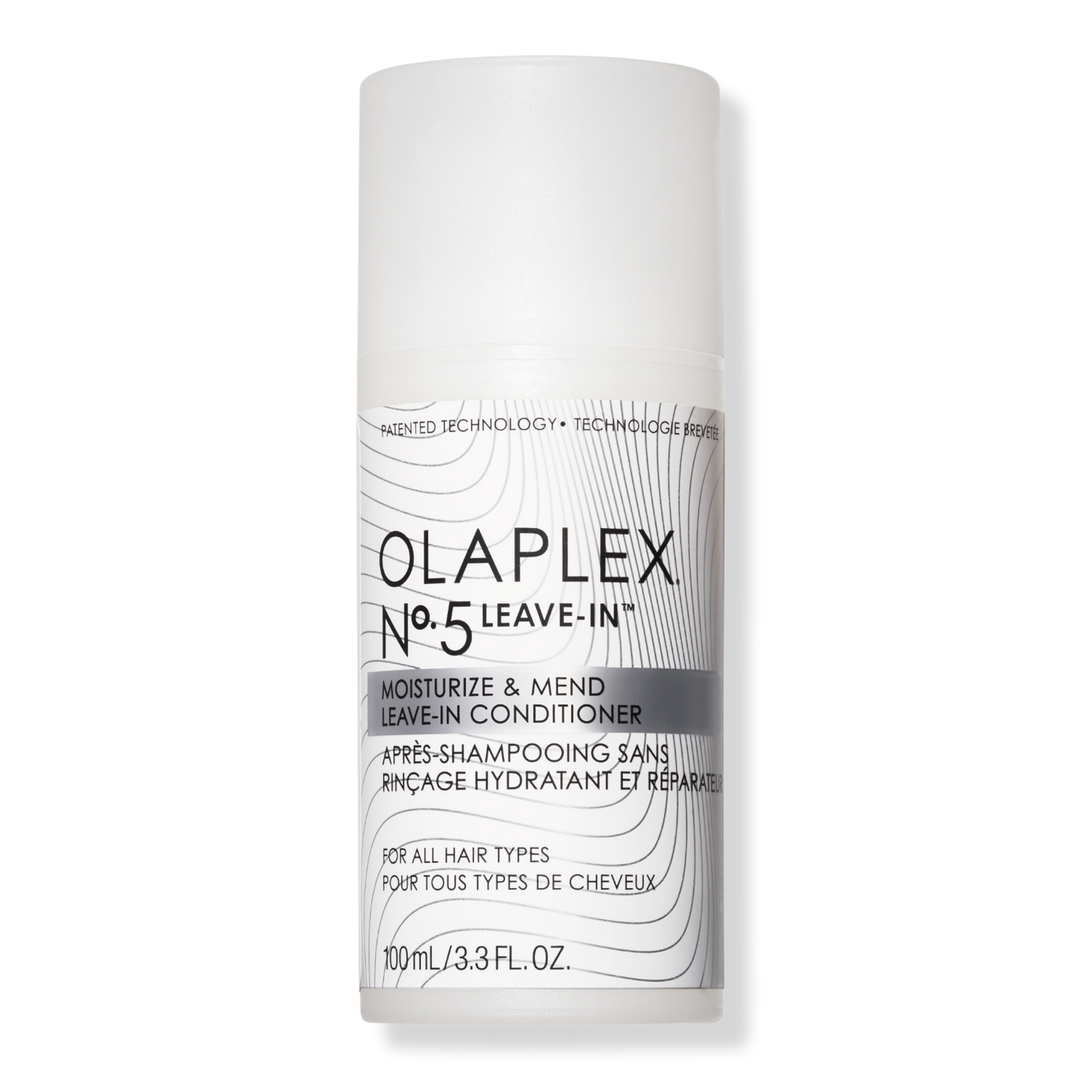

Olaplex
No.5L Moisturize & Mend Leave-In Conditioner
A moisturizing leave-in conditioner with a gel-creme texture that instantly hydrates and seals split ends. The reparative formula works from cortex to cuticle to continuously mend hair damage and split ends while protecting from heat up to 450°F/232°C. Ideal for dry or dehydrated hair.
Color-safe
Heat Protection
Bond Building
Damage Repair
Dryness
Split Ends
Optimized for Your Environment & Lifestyle
Nykaa
In stock
Recommended

No.5L Moisturize & Mend Leave-In Conditioner
Olaplex
no-5l-moisturize-mend-leave-in-conditioner
Leave-In Conditioner
10365009723685
Morning or Evening?
How often will you use this product?
Notes


Secure payment protection
Your Biodata Compatibility Analysis
Based on your 6 hair health indices and environmental factors
Poor Match
Significant incompatibilities
Growth Cycle Health Index
Hair Match
Hair Health Index Alignment
Optimal for OSI, SSI, DI, HSI
Ingredient Efficacy
Matching Ingredient Score
Environment Compatibility
Current UV, Air Quality & Humidity
Why This Works for Your Specific Profile
Damage Index:
Very healthy or severely damaged hair falls outside optimal treatment parameters
Water Quality:
Fine hair becomes weighed down and greasy from heavy formulation
Hair:
No porosity-specific conflicts
Active Lifestyle:
Low activity produces insufficient stress or buildup making product intensity unnecessarily harsh
Your Hair Profile Integration
Your Hair Archetype

Density Level

Washing Frequency

Shedding Level

Oil Level
Your Hair Health Indices
Oil Secretion (OSI)
Very low oil production
Scalp Sensitivity (SSI)
Very low sensitivity
Growth Rate (CMR)
Poor metabolism rate
Damage Index (DI)
Minimal damage
Hair Strength (HSI)
Very weak strength
Softness Index (SI)
Significant improvement needed
Water & Environmental Integration

Water:


Expected Results & Timeline
Key Highlights

What is it?
Leave-In Conditioner, 100 ml

Who Is It For
All Ages, Unisex

Budget
$32.00 - $64.00

Timeline
Immediate results with continuous repair over time
Why You’ll Love It

What Does It Help With?
Damage Repair, Dryness, Split Ends, Breakage

Best for
Damage Repair

Features
Instantly seals split ends, Moisture-rich gel-creme hydrates dry hair, Continuously repairs and prevents styling damage, 450°F/232°C heat protection

Checks
Vegan, Gluten Free, Cruelty Free
Ingredients Overview
Ingredients List
Water/Aqua/Eau, Cetearyl Alcohol, Astrocaryum Murumuru Seed Butter, Propanediol, Behentrimonium Chloride, Glycerin, Cetyl Alcohol, Isoamyl Laurate, Squalane, Bis-Aminopropyl Diglycol Dimaleate, Brassicyl Valinate Esylate, Cetyl Esters, Pentylene Glycol, Phenethyl Benzoate, Brassica Campestris/Aleurites Fordi Oil Copolymer, Hydroxypropyl Guar Hydroxypropyltrimonium Chloride, Caprylic/Capric Triglyceride, Cetrimonium Chloride, Caesalpinia Spinosa Gum, Fructooligosaccharides, Beta Vulgaris (Beet) Root Extract, Sodium PCA, Hydroxypropyl Starch Phosphate, Guar Hydroxypropyltrimonium Chloride, Sodium Lactate, Hydrogenated Ethylhexyl Olivate, Calcium Gluconate, Argania Spinosa Kernel Oil, Caprylyl Glycol, Cocos Nucifera (Coconut) Oil, Panthenol, Arginine, Ethylhexylglycerin, Oryza Sativa (Rice) Bran Extract, Sodium Phytate, Aspartic Acid, Potassium Lactate, Ximenia Americana Seed Oil, PCA, Hydrogenated Olive Oil Unsaponifiables, Butylene Glycol, Lactic Acid, Raphanus Sativus (Radish) Seed Extract, Octyldodecyl Oleate, Octyldodecanol, Helianthus Annuus (Sunflower) Extract, Propylene Glycol, Glycine, Citric Acid, Alanine, Algin, Coco-Glucoside, Sorbitan Oleate, Serine, Tocopherol, Rosmarinus Officinalis (Rosemary) Leaf Extract, Valine, Carrageenan, Chitosan, Xanthan Gum, Isoleucine, Proline, Threonine, Histidine, Phenylalanine, Magnolia Officinalis Bark Extract, Betula Alba Bark Extract, Crambe Maritima Extract, Ulmus Fulva Bark Extract, Caesalpinia Spinosa Fruit Extract, Sodium Hyaluronate, Hydrolyzed Ceratonia Siliqua Seed Extract, Zea Mays (Corn) Starch, Helianthus Annuus (Sunflower) Sprout Extract, Polyquaternium-7, Sodium Hydroxide, Phenoxyethanol, Sodium Benzoate, Potassium Sorbate, Fragrance (Parfum), Hexyl Cinnamal, Limonene, Citral, Linalool, Citronellol
Key Ingredients
Astrocaryum Murumuru Seed Butter, Bis-Aminopropyl Diglycol Dimaleate, Brassicyl Valinate Esylate, Squalane, Argania Spinosa Kernel Oil
Ingredients Details
Argania Spinosa Kernel Oil
Common Name(s): Argania spinosa kernel oil,botanical carrier oil,emollient fatty acid delivery
CAS Number: N/a
DESCRIPTION
What It Does: Softens and conditions skin by integrating into sc lipid bilayers, delivers essential fatty acids (oleic, linoleic, linolenic) for barrier lipid synthesis, and provides rich, non-stripping moisturisation.
Why It's Used: Natural carrier oils provide the closest compositional match to endogenous sc lipids, delivering emolliency through genuine barrier integration rather than simple surface occlusion.
How It Works: Fatty acid triglycerides partition into sc lipid bilayers — oleic acid (c18:1) provides fluid, emollient integration; linoleic acid (c18:2) acts as essential ceramide precursor; saturated fatty acids provide more occlusive barrier reinforcement.
Typically Found In: Moisturisers,facial oils,natural skin care
TECHNICAL DETAILS
Primary Category: Functional ingredient – emollient
Secondary Functions: Barrier sealing,softening
Application Areas:

Facial Skincare
Body Care
Hair Care

Beard Care
Color Cosmetics (Makeup)
Dietary/Oral Supplements
Typical Concentration Range: 1%–100%
SOURCING & ETHICS
Vegan Status: Conditional
Halal Status: Yes
Source Notes: Plant-derived, synthetic or animal-derived. verify source.
SKIN COMPATIBILITY
Irritancy Rating: 1/5 – very low
Comedogenicity Rating: 1/5 – low; formulation-dependent
Sensitivity Concerns: Non-irritating.
Safe for Sensitive Skin: Yes
SAFETY & COMPATIBILITY
Safety Profile: Excellent safety profile. ewg score: 1.
Works Well With: Humectants,ceramides,actives as carrier
Avoid Combining With: No significant incompatibilities
SCIENTIFIC NOTE
Essential fatty acids — linoleic (c18:2, n-6) and α-linolenic (c18:3, n-3) acids — cannot be synthesised by the body; topical delivery through carrier oils provides direct substrate for ceramide and eicosanoid biosynthesis in the epidermis.
Last Verified: Cosing database,argania spinosa kernel oil carrier oil botanical review
Primary Sources: 2026-03-12
Argania Spinosa Kernel Oil
Common Name(s): Argania spinosa kernel oil,botanical carrier oil,emollient fatty acid delivery
CAS Number: N/a
DESCRIPTION
What It Does: Softens and conditions skin by integrating into sc lipid bilayers, delivers essential fatty acids (oleic, linoleic, linolenic) for barrier lipid synthesis, and provides rich, non-stripping moisturisation.
Why It's Used: Natural carrier oils provide the closest compositional match to endogenous sc lipids, delivering emolliency through genuine barrier integration rather than simple surface occlusion.
How It Works: Fatty acid triglycerides partition into sc lipid bilayers — oleic acid (c18:1) provides fluid, emollient integration; linoleic acid (c18:2) acts as essential ceramide precursor; saturated fatty acids provide more occlusive barrier reinforcement.
Typically Found In: Moisturisers,facial oils,natural skin care
TECHNICAL DETAILS
Primary Category: Functional ingredient – emollient
Secondary Functions: Barrier sealing,softening
Application Areas:
Facial Skincare
Body Care
Hair Care
Beard Care
Color Cosmetics (Makeup)
Dietary/Oral Supplements
Typical Concentration Range: 1%–100%
SOURCING & ETHICS
Vegan Status: Conditional
Halal Status: Yes
Source Notes: Plant-derived, synthetic or animal-derived. verify source.
SKIN COMPATIBILITY
Irritancy Rating: 1/5 – very low
Comedogenicity Rating: 1/5 – low; formulation-dependent
Sensitivity Concerns: Non-irritating.
Safe for Sensitive Skin: Yes
SAFETY & COMPATIBILITY
Safety Profile: Excellent safety profile. ewg score: 1.
Works Well With: Humectants,ceramides,actives as carrier
Avoid Combining With: No significant incompatibilities
SCIENTIFIC NOTE
Essential fatty acids — linoleic (c18:2, n-6) and α-linolenic (c18:3, n-3) acids — cannot be synthesised by the body; topical delivery through carrier oils provides direct substrate for ceramide and eicosanoid biosynthesis in the epidermis.
Last Verified: Cosing database,argania spinosa kernel oil carrier oil botanical review
Primary Sources: 2026-03-12
Arginine
Common Name(s): L-arginine,2-amino-5-guanidinopentanoic acid
CAS Number: 74-79-3
DESCRIPTION
What It Does: Conditions skin, attracts moisture, supports wound healing, and improves microcirculation via no synthesis.
Why It's Used: Multi-functional amino acid for skin hydration, conditioning, and wound healing in peptide and nmf formulations.
How It Works: Guanidinium group binds water (humectant). substrate for nitric oxide synthase (enos) producing nitric oxide that vasodilates capillaries improving skin nutrition. stimulates fibroblast proliferation for wound healing.
Typically Found In: Anti-aging serums,wound healing products,nmf moisturizers,scalp treatments
TECHNICAL DETAILS
Primary Category: Active ingredient – amino acid
Secondary Functions: Wound healing,microcirculation,nmf component
Application Areas:
Facial Skincare
Body Care
Hair Care
Beard Care
Color Cosmetics (Makeup)
Dietary/Oral Supplements
Typical Concentration Range: 0.5%–5%
SOURCING & ETHICS
Vegan Status: Yes – plant-derived or synthetic
Halal Status: Yes
Source Notes: Fermentation-derived or synthetic. natural skin component.
SKIN COMPATIBILITY
Irritancy Rating: 1/5 – very low
Comedogenicity Rating: 0/5 – non-comedogenic
Sensitivity Concerns: Non-irritating; endogenous skin molecule.
Safe for Sensitive Skin: Yes
SAFETY & COMPATIBILITY
Safety Profile: Excellent safety profile. natural skin nmf component. ewg score: 1.
Works Well With: Hyaluronic acid,ceramides,peptides,other amino acids
Avoid Combining With: No significant incompatibilities
SCIENTIFIC NOTE
Arginine is a conditionally essential amino acid in wound healing where local demand exceeds synthesis capacity. topical arginine provides the nos substrate locally for no-mediated vasodilation and immune cell function in healing tissue.
Last Verified: Cosing database,cir safety assessment,witte & barbul arginine wound healing review
Primary Sources: 2026-03-12
Aspartic Acid
Common Name(s): Aminosuccinic acid,l-aspartate
CAS Number: 56-84-8
DESCRIPTION
What It Does: Provides nmf amino acid conditioning with cell energy metabolic support.
Why It's Used: Nmf acidic amino acid providing skin conditioning from naturally-occurring dicarboxylic amino acid in natural moisturising factor complex.
How It Works: Dicarboxylic amino acid provides dual water-binding ionic sites. aspartate shuttle for cell energy metabolism (nadh transport into mitochondria). mild keratolytic from dicarboxylic acid aha-like activity. nmf component providing moisture retention.
Typically Found In: Nmf-based moisturisers,skin conditioning products
TECHNICAL DETAILS
Primary Category: Active ingredient – acidic nmf amino acid
Secondary Functions: Skin conditioning
Application Areas:
Facial Skincare
Body Care
Hair Care
Beard Care
Color Cosmetics (Makeup)
Dietary/Oral Supplements
Typical Concentration Range: 0.5%–5%
SOURCING & ETHICS
Vegan Status: Yes – fermentation
Halal Status: Yes
Source Notes: Commercially produced for cosmetic use. verify vegan/halal status with supplier.
SKIN COMPATIBILITY
Irritancy Rating: 1/5 – very low
Comedogenicity Rating: 0/5 – non-comedogenic
Sensitivity Concerns: Well-tolerated by most skin types.
Safe for Sensitive Skin: Yes
SAFETY & COMPATIBILITY
Safety Profile: Good safety profile at recommended concentrations. ewg score: 1–2.
Works Well With: Standard skincare actives
Avoid Combining With: No known significant incompatibilities
SCIENTIFIC NOTE
Aspartic acid's dicarboxylic structure provides dual-site water binding via both alpha and beta carboxylate groups, providing greater molar water retention than monocarboxylic amino acids at equivalent concentration. this dual-site humectancy makes aspartic acid one of the most hydrating single amino acids per mole — a quantitative advantage of its dicarboxylic structure.
Last Verified: Cosing database,cir safety assessment
Primary Sources: 2026-03-12
Personalized Usage Instructions
How to Use
Step 1
Apply to clean, damp hair
Step 2
Fine Hair: Begin with 1 pump
Step 3
Medium to Coarse Hair: Begin with 2 pumps
Step 4
Add more as needed
Step 5
Follow with desired stylers
Step 1
Can be used on dry ends between washes to seal ends
Medical Chemicals

Protein/Moisture
- Moisture
pH Level
- Acidic

Porosity Taget
- Normal Porosity
Customized for Your Profile
Scalp Condtions
Anti-Dandruff, Seborrheic Dermatitis Safe, Sensitive Scalp, pH Balanced, Oil Control, Dry Scalp
Climate Suitability
Humid, Dry, Hard Water, Soft Water, UV Protection, Pollution Shield, Winter, Summer
Clinical Claims
Up to 88% split-end sealing after one use, 12x more moisture after one use, 81% reduction in breakage after one use
Frequency
Apply to clean, damp hair. Fine Hair: Begin with 1 pump. Medium to Coarse Hair: Begin with 2 pumps. Add more as needed. Follow with desired stylers. Can be used on dry ends between washes to seal ends.
Product Information

Vegan
Gluten Free
Cruelty Free
