
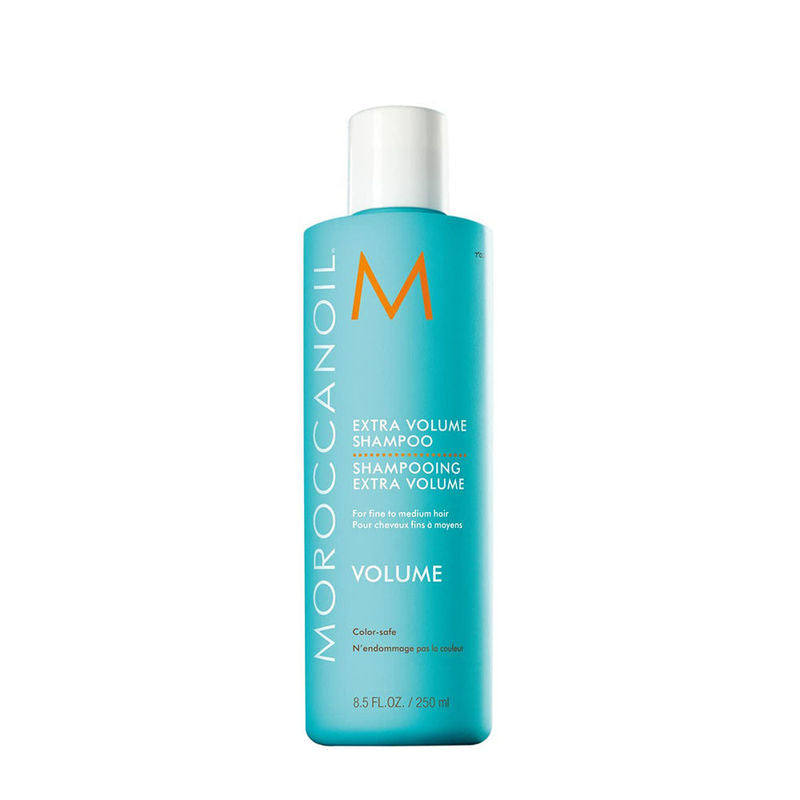

Moroccanoil
Moroccanoil Travel Extra Volume Shampoo
Moroccanoil Extra Volume Shampoo with Argan Oil & Linden Bud boosts shine and volume for fine, limp hair. Nourishes hair with essential fatty acids, antioxidants and natural humectants.
Sulfate-free
Dullness
Fine
Daily
Cleanse
Optimized for Your Environment & Lifestyle
Nykaa
In stock
Recommended

Moroccanoil Travel Extra Volume Shampoo
Moroccanoil
moroccanoil-travel-extra-volume-shampoo
Shampoo
10202944897317
Morning or Evening?
How often will you use this product?
Notes


Secure payment protection
Your Biodata Compatibility Analysis
Based on your 6 hair health indices and environmental factors
Poor Match
Significant incompatibilities
Growth Cycle Health Index
Hair Match
Hair Health Index Alignment
Optimal for OSI, SSI, DI, HSI
Ingredient Efficacy
Matching Ingredient Score
Environment Compatibility
Current UV, Air Quality & Humidity
Why This Works for Your Specific Profile
Damage Index:
Damaged hair structure cannot withstand product intensity causing increased breakage and further compromise
Water Quality:
Soft or moderately hard water does not require intensive treatment causing over-cleansing and dryness
Hair:
Porous structure over-absorbs product leading to buildup, stiffness, or excessive dryness
Active Lifestyle:
High activity and frequent washing rapidly strip product benefits requiring excessive reapplication
Your Hair Profile Integration
Your Hair Archetype

Density Level

Washing Frequency

Shedding Level

Oil Level
Your Hair Health Indices
Oil Secretion (OSI)
Very low oil production
Scalp Sensitivity (SSI)
Very low sensitivity
Growth Rate (CMR)
Poor metabolism rate
Damage Index (DI)
Minimal damage
Hair Strength (HSI)
Very weak strength
Softness Index (SI)
Significant improvement needed
Water & Environmental Integration

Water:


Expected Results & Timeline
Key Highlights

What is it?
Volumizing Shampoo with 4 Key Ingredients

Who Is It For
All Ages, Unisex

Budget
$29.61 - $59.22

Timeline
Visible volume boost after first use
Why You’ll Love It

What Does It Help With?
Adds volume, boosts shine, nourishes fine hair

Best for
Dullness

Features
Contains Argan Oil rich in Vitamin E, Linden Bud Extract to plump hair, Glycerin for moisturizing, sulfate-free formula for fine, limp hair

Checks
100% Authentic
Ingredients Overview
Ingredients List
Aqua-water-eau, Sodium-lauroyl-sarcosinate, Cocamidopropyl-hydroxysultaine, Parfum-fragrance, Cocamidopropyl-betaine, Glycerin, Cocamide-dipa, Polyquaternium-70, Peg-150-pentaerythrityl-tetrastearate, Argania-spinosa-argan-kernel-oil, Tilia-tomentosa-bud-extract, Chondrus-crispus-carageenan-extract, Ascophyllum-nodosum-extract, Laminaria-saccharina-extract, Palmaria-palmata-extract, Undaria-pinnatifida-extract, Citric-acid, Tocopherol, Retinyl-palmitate, Glycol-distearate, Peg-6-caprylic-capric-glycerides, Diethylhexyl-syringylidenemalonate, Caprylic-capric-triglyceride, Laureth-10, Cocamide-mea, Polysorbate-20, Peg-20-glyceryl-laurate, Acrylates-palmeth-25-acrylate-copolymer, Linoleic-acid, Dipropylene-glycol, Propylene-glycol, Caprylyl-glycol, Tetrasodium-edta, Chlorphenesin, Phenoxyethanol, Potassium-sorbate, Sodium-benzoate
Key Ingredients
Argan Oil, Linden Bud Extract, Glycerin, Cocamide Mea
Ingredients Details
Argan Oil
Common Name(s): Argan oil,moroccan oil
CAS Number: 223747-87-3
DESCRIPTION
What It Does: Conditions and nourishes skin and hair with exceptional fatty acid, squalene, and tocopherol content.
Why It's Used: Premium multi-nutrient facial and hair oil – its unique phytosterol and squalene composition provides anti-aging benefits beyond simple emolliency.
How It Works: Balanced oleic/linoleic acid ratio provides both emolliency and barrier repair. high squalene content (6-7%) provides antioxidant and sebum-compatible emolliency. tocopherols provide antioxidant stability and skin benefit. phytosterols inhibit 5-alpha-reductase and reduce inflammation.
Typically Found In: Premium facial oils,hair oils,anti-aging products
TECHNICAL DETAILS
Primary Category: Functional ingredient – emollient
Secondary Functions: Squalene content,phytosterol activity,anti-aging
Application Areas:

Facial Skincare
Body Care
Hair Care
Beard Care

Color Cosmetics (Makeup)
Dietary/Oral Supplements
Typical Concentration Range: 1%–100%
SOURCING & ETHICS
Vegan Status: Yes – from argania spinosa kernels
Halal Status: Yes
Source Notes: Cold-pressed from roasted (food) or unroasted (cosmetic) argan kernels. unesco world heritage traditional production. fair trade certified sources available.
SKIN COMPATIBILITY
Irritancy Rating: 1/5 – very low
Comedogenicity Rating: 0/5 – non-comedogenic
Sensitivity Concerns: Non-irritating.
Safe for Sensitive Skin: Yes
SAFETY & COMPATIBILITY
Safety Profile: Excellent safety profile. ewg score: 1.
Works Well With: Humectants,ceramides,actives as carrier
Avoid Combining With: No significant incompatibilities
SCIENTIFIC NOTE
Argan oil's squalene content (6-7%) is among the highest of all plant oils, second only to olive oil. squalene is an endogenous skin lipid that declines with age, making argan oil's high squalene level particularly relevant for anti-aging facial use – replenishing both essential fatty acids and age-depleting skin lipids simultaneously.
Last Verified: Cosing database,boucetta et al. argan oil review,cir safety assessment
Primary Sources: 2026-03-12
Chlorphenesin
Common Name(s): 3-(4-chlorophenoxy)-1,2-propanediol,globacid
CAS Number: 104-29-0
DESCRIPTION
What It Does: Provides gram-negative focused preservation complementary to phenoxyethanol for comprehensive spectrum coverage.
Why It's Used: Phenoxyethanol complement — chlorphenesin's gram-negative and antifungal coverage complements phenoxyethanol's gram-positive activity for full-spectrum preservation at lower individual concentrations.
How It Works: 4-chlorophenol ether glycol disrupts bacterial and fungal membranes. strong gram-negative activity (pseudomonas, e. coli). good candida antifungal activity. used with phenoxyethanol for synergistic broad-spectrum coverage. ph stable 3-9.
Typically Found In: Comprehensive preservation systems,baby products (low concentration)
TECHNICAL DETAILS
Primary Category: Functional ingredient – glycerol ether preservative
Secondary Functions: Skin conditioning
Application Areas:
Facial Skincare
Body Care
Hair Care
Beard Care
Color Cosmetics (Makeup)
Dietary/Oral Supplements
Typical Concentration Range: 0.1%–0.3%
SOURCING & ETHICS
Vegan Status: Yes – synthetic
Halal Status: Yes
Source Notes: Commercially produced for cosmetic use. verify vegan/halal status with supplier.
SKIN COMPATIBILITY
Irritancy Rating: 1/5 – very low
Comedogenicity Rating: 0/5 – non-comedogenic
Sensitivity Concerns: Well-tolerated by most skin types.
Safe for Sensitive Skin: Yes
SAFETY & COMPATIBILITY
Safety Profile: Eu max 0.3% cosmetics. good safety profile. synergistic combination with phenoxyethanol (0.3% pe + 0.1% chlorphenesin often equivalent to 1% pe alone).
Works Well With: Standard skincare actives
Avoid Combining With: No known significant incompatibilities
SCIENTIFIC NOTE
Chlorphenesin + phenoxyethanol synergy operates through a classic spectrum-filling combination: phenoxyethanol provides strong gram-positive antimicrobial activity while chlorphenesin provides gram-negative and antifungal coverage. the combination's minimum inhibitory concentration sum is subadditive (provides equivalent preservation at combined concentrations below what either alone would require) — textbook pharmacological synergy enabling lower total preservative load.
Last Verified: Cosing database,eu preservative annex v,cir safety assessment
Primary Sources: 2026-03-12
Cocamide Mea
Common Name(s): Cocamide mea,fatty acid alkanolamide,foam booster viscosity builder
CAS Number: N/a
DESCRIPTION
What It Does: Boosts foam quality, stabilises foam lamellae, builds viscosity in surfactant systems, and reduces surface tension in cleansing formulations.
Why It's Used: Mea/mipa alkanolamides provide the same foam and viscosity benefits without n-nitrosamine concerns — the preferred choice in modern surfactant systems.
How It Works: Amide nitrogen lone pair inserts at foam bubble air-water interface alongside the fatty acid chain — the amide geometry stabilises foam lamellae through the gibbs-marangoni effect reducing drainage. viscosity building in surfactant systems arises from rod micelle formation above critical packing parameter.
Typically Found In: Shampoos,body wash,cleansers
TECHNICAL DETAILS
Primary Category: Active ingredient – cosmetic active
Secondary Functions: Skin conditioning
Application Areas:
Facial Skincare
Body Care
Hair Care
Beard Care
Color Cosmetics (Makeup)
Dietary/Oral Supplements
Typical Concentration Range: 1%–5%
SOURCING & ETHICS
Vegan Status: Conditional
Halal Status: Yes
Source Notes: Commercially produced for cosmetic use. verify vegan/halal status with supplier.
SKIN COMPATIBILITY
Irritancy Rating: 1/5 – very low
Comedogenicity Rating: 0/5 – non-comedogenic
Sensitivity Concerns: Well-tolerated by most skin types.
Safe for Sensitive Skin: Yes
SAFETY & COMPATIBILITY
Safety Profile: Good safety profile at recommended concentrations. ewg score: 1–2.
Works Well With: Standard skincare actives
Avoid Combining With: No known significant incompatibilities
SCIENTIFIC NOTE
Mea/mipa equivalents are not subject to nitrosamine restrictions and are the recommended modern alternative to dea in surfactant systems.
Last Verified: Cosing database,cocamide mea alkanolamide review
Primary Sources: 2026-03-12
Glycerin
Common Name(s): Glycerol,glycerine,1,2,3-propanetriol
CAS Number: 56-81-5
DESCRIPTION
What It Does: Glycerin pulls water from the environment and deeper skin layers into the outer skin layer (epidermis), boosting moisture levels and keeping skin soft, smooth, and plump.
Why It's Used: It is used in virtually every moisturizer, serum, and cleanser because it is highly effective at hydrating skin, is well-tolerated by all skin types, and enhances the texture and spreadability of formulations.
How It Works: As a humectant, glycerin forms hydrogen bonds with water molecules, trapping them in the skin. it also reinforces the skin barrier by integrating into lipid structures between skin cells.
Typically Found In: Moisturizers,serums,cleansers,toners,sheet masks,sunscreens,body lotions,shampoos,conditioners
TECHNICAL DETAILS
Primary Category: Humectant
Secondary Functions: Skin barrier support,emollient,solvent
Application Areas:
Facial Skincare
Body Care
Hair Care
Beard Care
Color Cosmetics (Makeup)
Dietary/Oral Supplements
Typical Concentration Range: 1%–30% (typical: 3–10%)
SOURCING & ETHICS
Vegan Status: Yes – plant-derived (coconut, soy, palm) or synthetic
Halal Status: Yes – when plant-derived or synthetic; verify source with supplier
Source Notes: Derived from plant oils via hydrolysis or saponification; synthetic versions also available. palm-derived glycerin carries sustainability concerns.
SKIN COMPATIBILITY
Irritancy Rating: 1/5 – very low; non-irritating at all standard concentrations
Comedogenicity Rating: 0/5 – non-comedogenic
Sensitivity Concerns: Extremely rare allergic reactions; generally safe for all skin types including sensitive and baby skin
Safe for Sensitive Skin: Yes
SAFETY & COMPATIBILITY
Safety Profile: Widely recognized as safe. ewg hazard score: 1. no significant concerns for irritation, sensitization, or toxicity at typical concentrations (up to 50%).
Works Well With: Hyaluronic acid,ceramides,niacinamide,panthenol,urea,peptides,retinol,ahas/bhas
Avoid Combining With: No known incompatibilities at standard concentrations
SCIENTIFIC NOTE
Glycerin is an endogenous skin component found naturally in the stratum corneum. aquaporin-3 channels in keratinocytes facilitate glycerin transport, making it integral to natural skin hydration pathways.
Last Verified: Cosing database,cir safety assessment,ewg skin deep,inci decoder
Primary Sources: 2026-03-12
Personalized Usage Instructions
How to Use
Step 1
Massage throughout wet hair and scalp
Step 2
Add water to activate lather
Step 3
Rinse thoroughly
Step 4
Repeat if needed
Step 5
Follow with Moroccanoil Extra Volume Conditioner
Medical Chemicals

Protein/Moisture
- Moisture
pH Level
- Acidic

Porosity Taget
- Normal Porosity
Customized for Your Profile
Scalp Condtions
pH Balanced
Climate Suitability
Humid, Dry
Clinical Claims
Frequency
Massage throughout wet hair and scalp. Add water to activate lather. Rinse thoroughly. Repeat if needed. Follow with Moroccanoil Extra Volume Conditioner.
Product Information

100% Authentic
