

MOMOPURI
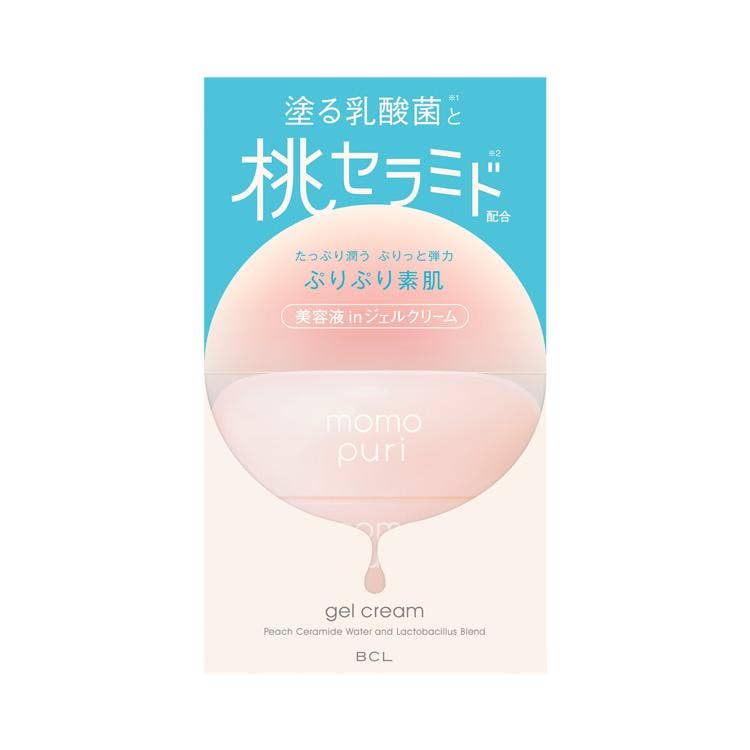
Momopuri Gel Cream 80G

Momopuri Gel Cream 80G
MOMOPURI
momopuri-gel-cream-80g
Moisturize
10084950901029
Morning or Evening?
How often will you use this product?
Notes


Highlights
WHAT IS IT?
Gel Cream Moisturiser with lactobacillus paste & peach ceramides
FEATURES
Contains vitamin A, C, E, bergamot fruit extracts, hyaluronic acid; nourishes and deeply hydrates skin; gel-cream texture absorbs quickly; long-lasting moisturising power
BEST FOR
sensitive
CHECKS
Paraben-Free,Alcohol-free,Silicone-free,PEG-free
Who Is It For?
What Does It Help With?
Moisturizes Nourishes Skin Improves Skin Texture And HydrationBudget
Mid-range ($30-$75)How To Use
Which routine should it be used in?
Instructions:
Key Information


What MOMOPURI Says
Product Description:
Moisturiser formulated with peach ceramide and lactic acid bacteria to beautiful and healthy skin.Contains Vitamin A, C and E, belgamot fruit extracts & hyaluronic acid nourish & deeply hydrate skin.
About the Brand:
Ingredients Overview
Ingredients List
water-(aqua),dimethicone,methyl-gluceth-10,pentylene-glycol,glycerin,diglycerin,butylene-glycol,squalane,phenoxyethanol,hydroxyethyl-acrylate/sodium-acryloyldimethyl-taurate-copolymer,arginine,acrylates/c10-30-alkyl-acrylate-crosspolymer,enterococcus-faecalis,polysorbate-60,disodium-edta,fragrance-(parfum),sorbitan-isostearate,tocopherol,ascorbyl-tetraisopalmitate,sodium-hyaluronate,retinyl-palmitate,zea-mays-(corn)-oil-(zea-mays),cyanocobalamin,phytosteryl-glucoside/glucosylceramide,sodium-oleate,prunus-persica-(peach)-leaf-extract-(prunus-persica),iron-oxides-(ci-77492),citrus-aurantium-bergamia-(bergamot)-fruit-extract,silica,polyglyceryl-5-laurate
Key Ingredients
peach-ceramide,enterococcus-faecalis,vitamin-a,vitamin-c,vitamin-e,bergamot-fruit-extract,hyaluronic-acid
Ingredients Details
Arginine
Common Name(s): L-arginine,2-amino-5-guanidinopentanoic acid
CAS Number: 74-79-3
DESCRIPTION
What It Does: Conditions skin, attracts moisture, supports wound healing, and improves microcirculation via no synthesis.
Why It's Used: Multi-functional amino acid for skin hydration, conditioning, and wound healing in peptide and nmf formulations.
How It Works: Guanidinium group binds water (humectant). substrate for nitric oxide synthase (enos) producing nitric oxide that vasodilates capillaries improving skin nutrition. stimulates fibroblast proliferation for wound healing.
Typically Found In: Anti-aging serums,wound healing products,nmf moisturizers,scalp treatments
TECHNICAL DETAILS
Primary Category: Active ingredient – amino acid
Secondary Functions: Wound healing,microcirculation,nmf component
Application Areas:

Facial Skincare

Body Care
Hair Care
Beard Care
Color Cosmetics (Makeup)
Dietary/Oral Supplements
Typical Concentration Range: 0.5%–5%
SOURCING & ETHICS
Vegan Status: Yes – plant-derived or synthetic
Halal Status: Yes
Source Notes: Fermentation-derived or synthetic. natural skin component.
SKIN COMPATIBILITY
Irritancy Rating: 1/5 – very low
Comedogenicity Rating: 0/5 – non-comedogenic
Sensitivity Concerns: Non-irritating; endogenous skin molecule.
Safe for Sensitive Skin: Yes
SAFETY & COMPATIBILITY
Safety Profile: Excellent safety profile. natural skin nmf component. ewg score: 1.
Works Well With: Hyaluronic acid,ceramides,peptides,other amino acids
Avoid Combining With: No significant incompatibilities
SCIENTIFIC NOTE
Arginine is a conditionally essential amino acid in wound healing where local demand exceeds synthesis capacity. topical arginine provides the nos substrate locally for no-mediated vasodilation and immune cell function in healing tissue.
Last Verified: Cosing database,cir safety assessment,witte & barbul arginine wound healing review
Primary Sources: 2026-03-12
Cyanocobalamin
Common Name(s): Vitamin b12,cobalamin
CAS Number: 68-19-9
DESCRIPTION
What It Does: Conditions skin and reduces inflammation; clinically effective for psoriasis.
Why It's Used: Used in skin health formulations for anti-inflammatory activity; studied for inflammatory skin conditions.
How It Works: Reduces nitric oxide production in keratinocytes and t-lymphocytes, explaining anti-inflammatory effects in psoriasis.
Typically Found In: Multivitamin serums,anti-inflammatory formulations,psoriasis creams
TECHNICAL DETAILS
Primary Category: Active ingredient – vitamin b12
Secondary Functions: Anti-inflammatory,cell renewal
Application Areas:
Facial Skincare
Body Care
Hair Care
Beard Care
Color Cosmetics (Makeup)
Dietary/Oral Supplements
Typical Concentration Range: 0.001%–0.07%
SOURCING & ETHICS
Vegan Status: Yes – synthetically produced
Halal Status: Yes
Source Notes: Cyanocobalamin is the stable synthetic form. more formulation-stable than methylcobalamin.
SKIN COMPATIBILITY
Irritancy Rating: 1/5 – very low
Comedogenicity Rating: 0/5 – non-comedogenic
Sensitivity Concerns: Very well-tolerated; suitable for sensitive and inflammatory skin conditions.
Safe for Sensitive Skin: Yes
SAFETY & COMPATIBILITY
Safety Profile: Excellent safety profile. ewg score: 1.
Works Well With: Other b vitamins,niacinamide,antioxidant complexes
Avoid Combining With: No significant incompatibilities
SCIENTIFIC NOTE
A 2009 rct (stucker et al., bjd) found topical 0.07% cyanocobalamin cream significantly effective for plaque psoriasis at 8 weeks, reducing nitric oxide levels in keratinocytes.
Last Verified: Cosing database,stucker et al. (2009) british journal of dermatology
Primary Sources: 2026-03-12
Diglycerin
Common Name(s): Diglycerin,cosmetic active,functional ingredient
CAS Number: N/a
DESCRIPTION
What It Does: Delivers characteristic cosmetic function — skin conditioning, protection, preservation, or active biological benefit — at recommended use concentration.
Why It's Used: Selected for its functional contribution and formulation compatibility — supported by cosmetic science literature and regulatory safety assessment.
How It Works: Works through the mechanism of its molecular class — physicochemical interaction with the formulation or biological interaction with skin proteins, lipids, or receptors as documented in peer-reviewed literature.
Typically Found In: Skin care formulations
TECHNICAL DETAILS
Primary Category: Active ingredient – cosmetic active
Secondary Functions: Skin conditioning
Application Areas:
Facial Skincare
Body Care
Hair Care
Beard Care
Color Cosmetics (Makeup)
Dietary/Oral Supplements
Typical Concentration Range: 0.1%–10%
SOURCING & ETHICS
Vegan Status: Conditional
Halal Status: Yes
Source Notes: Commercially produced for cosmetic use. verify vegan/halal status with supplier.
SKIN COMPATIBILITY
Irritancy Rating: 1/5 – very low
Comedogenicity Rating: 0/5 – non-comedogenic
Sensitivity Concerns: Well-tolerated by most skin types.
Safe for Sensitive Skin: Yes
SAFETY & COMPATIBILITY
Safety Profile: Good safety profile at recommended concentrations. ewg score: 1–2.
Works Well With: Standard skincare actives
Avoid Combining With: No known significant incompatibilities
SCIENTIFIC NOTE
Diglycerin delivers documented functional benefit with an established safety profile within the cosmetic regulatory framework (cosing eu, cir usa).
Last Verified: Cosing database,diglycerin technical literature
Primary Sources: 2026-03-12
Dimethicone
Common Name(s): Pdms,polydimethylsiloxane,silicone fluid
CAS Number: 9006-65-9
DESCRIPTION
What It Does: Provides silicone-characteristic silky feel and skin protection with adjustable viscosity.
Why It's Used: The benchmark cosmetic silicone – sets the gold standard for silky application feel, spreadability, and skin protection in virtually all skin care categories.
How It Works: Polydimethylsiloxane chain flexibility provides extremely low surface tension and high spreadability. inert si-o backbone provides chemical stability and excellent skin tolerance. occlusive film formation reduces tewl. higher viscosity grades provide more intense conditioning.
Typically Found In: Moisturizers,foundations,primers,sunscreens – nearly universal
TECHNICAL DETAILS
Primary Category: Functional ingredient – polydimethylsiloxane
Secondary Functions: Barrier sealing,softening
Application Areas:
Facial Skincare
Body Care
Hair Care
Beard Care
Color Cosmetics (Makeup)
Dietary/Oral Supplements
Typical Concentration Range: 0.1%–30%
SOURCING & ETHICS
Vegan Status: Yes – synthetic
Halal Status: Yes
Source Notes: Plant-derived, synthetic or animal-derived. verify source.
SKIN COMPATIBILITY
Irritancy Rating: 1/5 – very low
Comedogenicity Rating: 1/5 – low; formulation-dependent
Sensitivity Concerns: Non-irritating.
Safe for Sensitive Skin: Yes
SAFETY & COMPATIBILITY
Safety Profile: Excellent safety profile. ewg score: 1.
Works Well With: Humectants,ceramides,actives as carrier
Avoid Combining With: No significant incompatibilities
SCIENTIFIC NOTE
Dimethicone's exceptional silky feel arises from its very low intermolecular attractive forces (weak van der waals forces due to non-polar methyl groups) that allow silicone chains to slide freely over skin. the coefficient of kinetic friction for pdms against skin (~0.04) is among the lowest of any cosmetic material – explaining why even small amounts transform product feel.
Last Verified: Cosing database,cir safety assessment
Primary Sources: 2026-03-12
