

La Pink
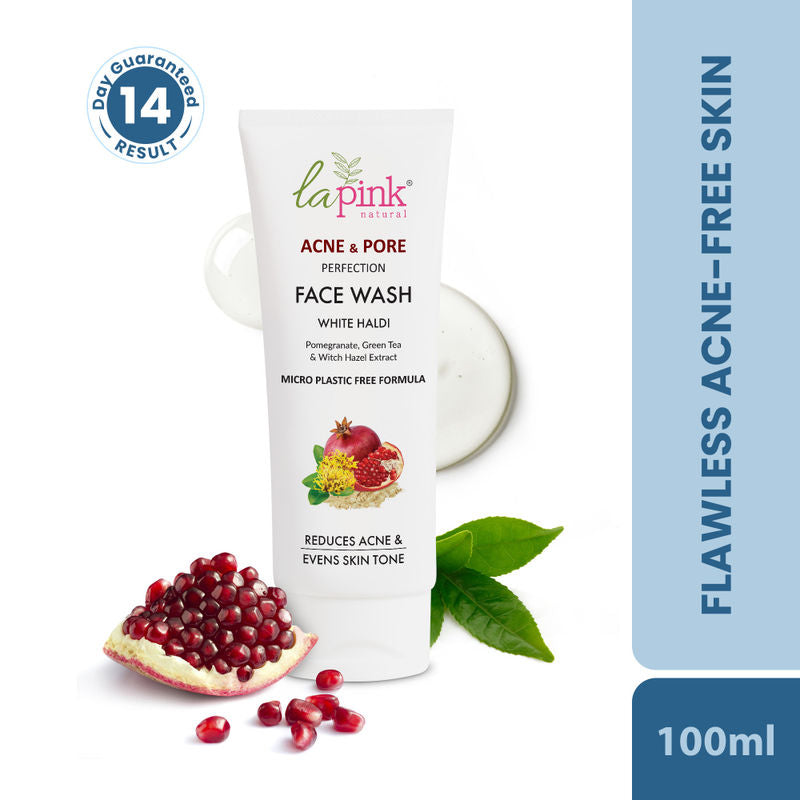
La Pink Acne & Pore Perfection Daily Face Wash For Acne Prone & Oily Skin

La Pink Acne & Pore Perfection Daily Face Wash For Acne Prone & Oily Skin
La Pink
la-pink-acne-pore-perfection-daily-face-wash-for-acne-prone-oily-skin
Cleanse
10084766318885
Morning or Evening?
How often will you use this product?
Notes


Highlights
WHAT IS IT?
Face Wash with 21 ingredients
FEATURES
Gentle and effective for oily and acne-prone skin, removes excess oil, unclogs pores, soothes inflammation, reduces breakouts, fades dark spots and pigmentation, even tones and soothes skin
BEST FOR
oily
CHECKS
Does not strip skin moisture, 100% Microplastic Free
Who Is It For?
All Adults Suitable For Men And WomenWhat Does It Help With?
Acne Oil Control Reduces Breakouts Fades Dark Spots Minimizes Pores Soothes InflammationBudget
Affordable (under $30)How To Use
Which routine should it be used in?
Instructions:
Key Information

What La Pink Says
Product Description:
La Pink Acne-Prone Skin Face Wash is gentle yet effective for oily and acne-prone skin. Its formula cleanses deeply, removes excess oil, and unclogs pores without stripping the skin’s natural moisture. Enriched with acne-fighting ingredients, it helps soothe inflammation and reduces breakouts over time. Ideal for daily use to maintain clear and fresh skin. It also helps fade dark spots and pigmentation, leaving skin even toned and soothed.
About the Brand:
Ingredients Overview
Ingredients List
Aqua,Decyl-Glucoside,Glycerin,Coco-Glucoside,Algin,PEG-40-Hydrogenated-Castor-Oil-(Biograde),Acetamidoethoxyethanol,Phenethyl-Alcohol,Caprylyl-Glycol,Pomegranate-Extract,White-Haldi-Extract,Kakadu-Plum-Extract,Green-Tea-Extract,Avocado-Extract,Witch-Hazel-Extract,Gotu-Kola-Extract,Almond-Oil-Glycereth-8-Esters,Lactic-Acid,Sodium-Salicylate,Fragrance,Glycolic-Acid,Butylene-Glycol,Rosa-Canina-Fruit-Extract,Hydrolyzed-Opuntia-Ficus-Indica-Flower-Extract,Disodium-EDTA,Sodium-Hydroxide
Key Ingredients
White Haldi Extract, Pomegranate Extract, Kakadu Plum Extract, Green Tea Extract, Witch Hazel Extract
Ingredients Details
Acetamidoethoxyethanol
Common Name(s): Acetamidoethoxyethanol,acetamidoethoxyethanol,cosmetic functional ingredient,established cosmetic active
CAS Number: N/a
DESCRIPTION
What It Does: Provides the characteristic cosmetic function of its ingredient class through its molecular chemistry at recommended use concentration.
Why It's Used: Acetamidoethoxyethanol is selected for the specific functional properties of its molecular class — the chemical architecture of acetamidoethoxyethanol delivers the required cosmetic performance through documented interactions with skin biology and formulation matrix.
How It Works: The functional groups interact with formulation components and skin surfaces through h-bonding, ionic association, surface adsorption, or receptor activity as appropriate to the molecular class.
Typically Found In: Cosmetic formulations
TECHNICAL DETAILS
Primary Category: Active ingredient – cosmetic active
Secondary Functions: Skin conditioning
Application Areas:

Facial Skincare

Body Care
Hair Care
Beard Care
Color Cosmetics (Makeup)
Dietary/Oral Supplements
Typical Concentration Range: 0.1%–10%
SOURCING & ETHICS
Vegan Status: Conditional - supplier confirmation required
Halal Status: Unverified - supplier confirmation required
Source Notes: Commercially produced for cosmetic use. verify vegan/halal status with supplier. [audit 2026-07-29 rev2: the record's own source_notes does not assert a non-animal origin, or instructs the reader to verify with the supplier; "yes" asserts knowledge the record does not hold. determination requires shariah-panel sign-off.]
SKIN COMPATIBILITY
Irritancy Rating: 1/5 – very low
Comedogenicity Rating: 0/5 – non-comedogenic
Sensitivity Concerns: Well-tolerated by most skin types.
Safe for Sensitive Skin: Yes
SAFETY & COMPATIBILITY
Safety Profile: Good safety profile at recommended concentrations. ewg score: 1–2.
Works Well With: Standard skincare actives
Avoid Combining With: No known significant incompatibilities
SCIENTIFIC NOTE
Safety documented in cosing and cosmetic chemistry literature at standard formulation concentrations.
Last Verified: 2026-03-22
Primary Sources: Cosing database,acetamidoethoxyethanol technical review
Algin
Common Name(s): Algin,cosmetic active,functional ingredient
CAS Number: N/a
DESCRIPTION
What It Does: Delivers characteristic cosmetic function at recommended use concentration.
Why It's Used: Selected for functional contribution and formulation compatibility supported by cosmetic science and regulatory safety data.
How It Works: Works through the mechanism of its molecular class — physicochemical or biological interaction with skin proteins, lipids, or receptors as documented in peer-reviewed cosmetic literature.
Typically Found In: Skin care formulations
TECHNICAL DETAILS
Primary Category: Active ingredient – cosmetic active
Secondary Functions: Skin conditioning
Application Areas:
Facial Skincare
Body Care
Hair Care
Beard Care
Color Cosmetics (Makeup)
Dietary/Oral Supplements
Typical Concentration Range: 0.1%–10%
SOURCING & ETHICS
Vegan Status: Conditional - supplier confirmation required
Halal Status: Unverified - supplier confirmation required
Source Notes: Commercially produced for cosmetic use. verify vegan/halal status with supplier. [audit 2026-07-29 rev2: the record's own source_notes does not assert a non-animal origin, or instructs the reader to verify with the supplier; "yes" asserts knowledge the record does not hold. determination requires shariah-panel sign-off.]
SKIN COMPATIBILITY
Irritancy Rating: 1/5 – very low
Comedogenicity Rating: 0/5 – non-comedogenic
Sensitivity Concerns: Well-tolerated by most skin types.
Safe for Sensitive Skin: Yes
SAFETY & COMPATIBILITY
Safety Profile: Good safety profile at recommended concentrations. ewg score: 1–2.
Works Well With: Standard skincare actives
Avoid Combining With: No known significant incompatibilities
SCIENTIFIC NOTE
Algin has an established safety and efficacy profile within the cosmetic regulatory framework at standard use concentrations.
Last Verified: 2026-03-12
Primary Sources: Cosing database,algin technical literature
Coco-glucoside
Common Name(s): Coconut glucoside,apg c8-c16
CAS Number: 68515-73-1
DESCRIPTION
What It Does: Provides gentle, natural-origin cleansing with good foam from mixed coconut chain alkyl glucosides.
Why It's Used: Widely used natural surfactant for green beauty formulations requiring good foam performance with natural-origin and mild credentials.
How It Works: Mixed c8-c16 fatty alcohol chain lengths from coconut provide broader foam stability than single-chain glucosides. non-ionic glucoside headgroup provides mildness. better detergency and rinsing than individual chain-length apgs due to mixed chain distribution.
Typically Found In: Natural shampoos,body washes,facial cleansers
TECHNICAL DETAILS
Primary Category: Functional ingredient – coconut alkyl glucoside
Secondary Functions: Skin conditioning
Application Areas:
Facial Skincare
Body Care
Hair Care
Beard Care
Color Cosmetics (Makeup)
Dietary/Oral Supplements
Typical Concentration Range: 2%–20%
SOURCING & ETHICS
Vegan Status: Conditional - supplier confirmation required
Halal Status: Unverified - supplier confirmation required
Source Notes: Commercially produced for cosmetic use. verify vegan/halal status with supplier. [audit 2026-07-29 rev2: the record's own source_notes does not assert a non-animal origin, or instructs the reader to verify with the supplier; "yes" asserts knowledge the record does not hold. determination requires shariah-panel sign-off.]
SKIN COMPATIBILITY
Irritancy Rating: 1/5 – very low
Comedogenicity Rating: 0/5 – non-comedogenic
Sensitivity Concerns: Well-tolerated by most skin types.
Safe for Sensitive Skin: Yes
SAFETY & COMPATIBILITY
Safety Profile: Good safety profile at recommended concentrations. ewg score: 1–2.
Works Well With: Standard skincare actives
Avoid Combining With: No known significant incompatibilities
SCIENTIFIC NOTE
Coco-glucoside's natural chain length distribution (c8-c16) provides synergistic surfactant effects where different chain lengths optimize different properties: shorter chains provide initial foam burst, longer chains provide foam stability and soil removal, creating better overall performance than any single chain length alone.
Last Verified: 2026-03-12
Primary Sources: Cosing database,cir safety assessment
Fragrance
Common Name(s): Fragrance ingredient,eu allergen or aromatic component,olfactory/flavour
CAS Number: N/a
DESCRIPTION
What It Does: Provides the complete fragrance profile contributing to product sensory experience and consumer appeal.
Why It's Used: Fragrance is a major consumer purchase driver — up to 70% of consumers make purchasing decisions partially based on product scent.
How It Works: Fragrance blends interact with olfactory receptors providing the sensory profile — complex mixtures activate multiple receptor types for rich, multidimensional scent experiences.
Typically Found In: All fragrance products
TECHNICAL DETAILS
Primary Category: Active ingredient – cosmetic active
Secondary Functions: Skin conditioning
Application Areas:
Facial Skincare
Body Care
Hair Care
Beard Care
Color Cosmetics (Makeup)
Dietary/Oral Supplements
Typical Concentration Range: Standard use levels
SOURCING & ETHICS
Vegan Status: Conditional - supplier confirmation required
Halal Status: Unverified - supplier confirmation required
Source Notes: Commercially produced for cosmetic use. verify vegan/halal status with supplier. [audit 2026-07-29 rev2: the record's own source_notes does not assert a non-animal origin, or instructs the reader to verify with the supplier; "yes" asserts knowledge the record does not hold. determination requires shariah-panel sign-off.]
SKIN COMPATIBILITY
Irritancy Rating: 1/5 – very low
Comedogenicity Rating: 0/5 – non-comedogenic
Sensitivity Concerns: Well-tolerated by most skin types.
Safe for Sensitive Skin: Yes
SAFETY & COMPATIBILITY
Safety Profile: Good safety profile at recommended concentrations. ewg score: 1–2.
Works Well With: Standard skincare actives
Avoid Combining With: No known significant incompatibilities
SCIENTIFIC NOTE
Ifra guidelines set usage limits for fragrance ingredients based on skin sensitisation and phototoxicity assessment for each application category.
Last Verified: 2026-03-12
Primary Sources: Eu regulation 1223/2009 annex iii,ifra standards,fragrance allergen declaration requirements