
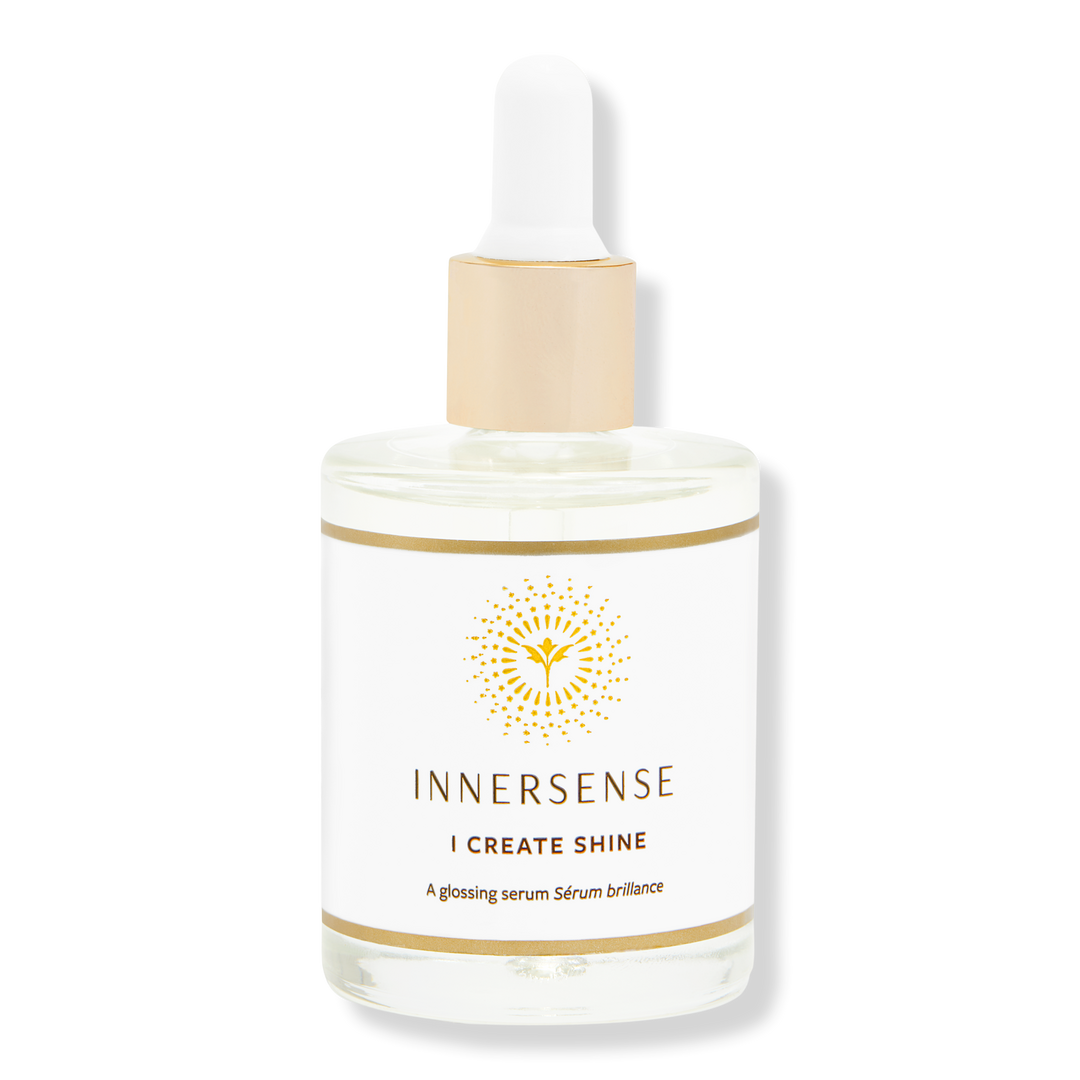

Innersense Organic Beauty
I Create Shine Glossing Serum
A shine-enhancing serum that reflects your glossiest, healthiest hair.
Sulfate-free
Paraben-free
Silicone-free
Natural
Frizz
Dullness
Optimized for Your Environment & Lifestyle
Nykaa
In stock
Recommended

I Create Shine Glossing Serum
Innersense Organic Beauty
i-create-shine-glossing-serum
Glossing Serum
10364999827749
Morning or Evening?
How often will you use this product?
Notes


Secure payment protection
Your Biodata Compatibility Analysis
Based on your 6 hair health indices and environmental factors
Poor Match
Significant incompatibilities
Growth Cycle Health Index
Hair Match
Hair Health Index Alignment
Optimal for OSI, SSI, DI, HSI
Ingredient Efficacy
Matching Ingredient Score
Environment Compatibility
Current UV, Air Quality & Humidity
Why This Works for Your Specific Profile
Damage Index:
Very healthy or severely damaged hair falls outside optimal treatment parameters
Water Quality:
Fine hair becomes weighed down and greasy from heavy formulation
Hair:
No porosity-specific conflicts
Active Lifestyle:
Activity levels outside optimal range affect product performance and maintenance requirements
Your Hair Profile Integration
Your Hair Archetype

Density Level

Washing Frequency

Shedding Level

Oil Level
Your Hair Health Indices
Oil Secretion (OSI)
Very low oil production
Scalp Sensitivity (SSI)
Very low sensitivity
Growth Rate (CMR)
Poor metabolism rate
Damage Index (DI)
Minimal damage
Hair Strength (HSI)
Very weak strength
Softness Index (SI)
Significant improvement needed
Water & Environmental Integration

Water:


Expected Results & Timeline
Key Highlights

What is it?
Glossing serum with 14 ingredients

Who Is It For
All ages, all genders

Budget
$40.00 - $80.00

Timeline
Why You’ll Love It

What Does It Help With?
Frizz control, enhancing shine

Best for
Frizz, Dullness

Features
Adds lustrous shine, locks in moisture, seals hair cuticle to control frizz

Checks
Clean Ingredients, Cruelty Free, Vegan, Sustainable Packaging, Give Back
Ingredients Overview
Ingredients List
hydrogenated-ethylhexyl-olivate, ethyl-macadamiate, sesamum-indicum-seed-oil, cocos-nucifera-oil, hydrogenated-olive-oil-unsaponifiable, vitis-vinifera-seed-oil, coco-caprylate, simmondsia-chinensis-seed-oil, triethyl-citrate, persea-gratissima-oil, fragrance, helianthus-annuus-seed-oil, vaccinium-macrocarpon-seed-oil, butyrospermum-parkii-butter, tocopherol, malic-acid
Key Ingredients
Organic sesame oil, Macadamia oil, Cranberry seed oil, Lotus flower
Ingredients Details
Coco-caprylate
Common Name(s): Coco-caprylate,coco-caprylate,cosmetic functional ingredient,established active
CAS Number: N/a
DESCRIPTION
What It Does: Provides emollient conditioning with spreading value determined by the ester molecular architecture.
Why It's Used: Coco-caprylate is selected for its c8 caprylic ester — the c-chain length provides ultra-light fast-dry short-chain emolliency, which distinguishes coco-caprylate from esters of adjacent chain lengths in the same polarity tier.
How It Works: Ester: acid chain → emolliency type; alcohol chain → spreading speed and skin feel.
Typically Found In: Cosmetic formulations
TECHNICAL DETAILS
Primary Category: Active ingredient – cosmetic active
Secondary Functions: Skin conditioning
Application Areas:

Facial Skincare

Body Care
Hair Care
Beard Care
Color Cosmetics (Makeup)
Dietary/Oral Supplements
Typical Concentration Range: 0.1%–10%
SOURCING & ETHICS
Vegan Status: Conditional - feedstock declaration required
Halal Status: Unverified - feedstock declaration required (plant, animal and petrochemical routes all exist)
Source Notes: Commercially produced for cosmetic use. verify vegan/halal status with supplier. [audit 2026-07-29 rev2: origin-dependent: the same inci exists in plant, animal and petrochemical versions and the name does not discriminate. determination requires shariah-panel sign-off.]
SKIN COMPATIBILITY
Irritancy Rating: 1/5 – very low
Comedogenicity Rating: 0/5 – non-comedogenic
Sensitivity Concerns: Well-tolerated by most skin types.
Safe for Sensitive Skin: Yes
SAFETY & COMPATIBILITY
Safety Profile: Good safety profile at recommended concentrations. ewg score: 1–2.
Works Well With: Standard skincare actives
Avoid Combining With: No known significant incompatibilities
SCIENTIFIC NOTE
Safety documented in cosing at standard formulation concentrations.
Last Verified: 2026-03-22
Primary Sources: Cosing database,coco-caprylate technical review
Cranberry Seed Oil
Common Name(s): Cranberry seed oil,botanical oil,phytochemical active
CAS Number: N/a
DESCRIPTION
What It Does: Provides antioxidant protection from reactive oxygen species, reduces inflammatory cytokine production in skin, and conditions skin surface through the plant's secondary metabolite complex.
Why It's Used: Chosen for its natural origin narrative, traditional use heritage, and multi-functional phytochemical profile that supports several concurrent skin care claims from one ingredient.
How It Works: Polyphenols, terpenoids, and alkaloids in the oil scavenge ros via hydrogen atom transfer, inhibit nf-kb or cox-2 inflammatory pathways, and interact with skin surface proteins for conditioning.
Typically Found In: Botanical skin care,natural products
TECHNICAL DETAILS
Primary Category: Active ingredient – antioxidant
Secondary Functions: Free radical scavenging,anti-aging
Application Areas:
Facial Skincare
Body Care
Hair Care
Beard Care
Color Cosmetics (Makeup)
Dietary/Oral Supplements
Typical Concentration Range: 0.1%–10%
SOURCING & ETHICS
Vegan Status: Yes
Halal Status: Yes
Source Notes: Plant-derived extract or synthetic.
SKIN COMPATIBILITY
Irritancy Rating: 1/5 – very low
Comedogenicity Rating: 0/5 – non-comedogenic
Sensitivity Concerns: Non-irritating; well-tolerated.
Safe for Sensitive Skin: Yes
SAFETY & COMPATIBILITY
Safety Profile: Excellent safety profile. ewg score: 1.
Works Well With: Vitamin c,vitamin e,ferulic acid,spf,other antioxidants
Avoid Combining With: No significant incompatibilities
SCIENTIFIC NOTE
Plant secondary metabolites evolved as uv photoprotectants and antimicrobial agents — mechanisms that directly translate to cosmetic antioxidant and anti-inflammatory activity in human skin.
Last Verified: 2026-03-12
Primary Sources: Cosing database,cranberry seed oil botanical review
Fragrance
Common Name(s): Fragrance ingredient,eu allergen or aromatic component,olfactory/flavour
CAS Number: N/a
DESCRIPTION
What It Does: Provides the complete fragrance profile contributing to product sensory experience and consumer appeal.
Why It's Used: Fragrance is a major consumer purchase driver — up to 70% of consumers make purchasing decisions partially based on product scent.
How It Works: Fragrance blends interact with olfactory receptors providing the sensory profile — complex mixtures activate multiple receptor types for rich, multidimensional scent experiences.
Typically Found In: All fragrance products
TECHNICAL DETAILS
Primary Category: Active ingredient – cosmetic active
Secondary Functions: Skin conditioning
Application Areas:
Facial Skincare
Body Care
Hair Care
Beard Care
Color Cosmetics (Makeup)
Dietary/Oral Supplements
Typical Concentration Range: Standard use levels
SOURCING & ETHICS
Vegan Status: Conditional - supplier confirmation required
Halal Status: Unverified - supplier confirmation required
Source Notes: Commercially produced for cosmetic use. verify vegan/halal status with supplier. [audit 2026-07-29 rev2: the record's own source_notes does not assert a non-animal origin, or instructs the reader to verify with the supplier; "yes" asserts knowledge the record does not hold. determination requires shariah-panel sign-off.]
SKIN COMPATIBILITY
Irritancy Rating: 1/5 – very low
Comedogenicity Rating: 0/5 – non-comedogenic
Sensitivity Concerns: Well-tolerated by most skin types.
Safe for Sensitive Skin: Yes
SAFETY & COMPATIBILITY
Safety Profile: Good safety profile at recommended concentrations. ewg score: 1–2.
Works Well With: Standard skincare actives
Avoid Combining With: No known significant incompatibilities
SCIENTIFIC NOTE
Ifra guidelines set usage limits for fragrance ingredients based on skin sensitisation and phototoxicity assessment for each application category.
Last Verified: 2026-03-12
Primary Sources: Eu regulation 1223/2009 annex iii,ifra standards,fragrance allergen declaration requirements
Macadamia Oil
Common Name(s): Macadamia nut oil,australian nut oil
CAS Number: 128497-20-1
DESCRIPTION
What It Does: Provides sebum-compatible palmitoleic acid emolliency balancing aging skin's declining sebum production.
Why It's Used: Highest palmitoleic acid plant oil for sebum-mimetic skin conditioning particularly relevant for mature skin where palmitoleic acid (sebum's dominant fatty acid) production declines.
How It Works: Very high palmitoleic acid (c16:1 omega-7, 17-22%) closely mimics human sebum composition. palmitoleic acid declines in human sebum with age, making macadamia oil's high content particularly relevant for mature skin conditioning.
Typically Found In: Anti-aging facial oils,mature skin products,hair oils
TECHNICAL DETAILS
Primary Category: Functional ingredient – emollient
Secondary Functions: Palmitoleic acid sebum mimicry,anti-aging
Application Areas:
Facial Skincare
Body Care
Hair Care
Beard Care
Color Cosmetics (Makeup)
Dietary/Oral Supplements
Typical Concentration Range: 1%–50%
SOURCING & ETHICS
Vegan Status: Conditional - supplier confirmation required
Halal Status: Unverified - supplier confirmation required
Source Notes: Plant-derived, synthetic or animal-derived. verify source. [audit 2026-07-29 rev2: the record's own source_notes does not assert a non-animal origin, or instructs the reader to verify with the supplier; "yes" asserts knowledge the record does not hold. determination requires shariah-panel sign-off.]
SKIN COMPATIBILITY
Irritancy Rating: 1/5 – very low
Comedogenicity Rating: 2/5 – low
Sensitivity Concerns: Non-irritating.
Safe for Sensitive Skin: Yes
SAFETY & COMPATIBILITY
Safety Profile: Excellent safety profile. ewg score: 1.
Works Well With: Humectants,ceramides,actives as carrier
Avoid Combining With: No significant incompatibilities
SCIENTIFIC NOTE
Sebum palmitoleic acid content declines from ~23% at age 20 to ~14% at age 60. this decline corresponds to reduced skin surface antimicrobial protection (palmitoleic acid is antimicrobial against s. aureus) and changed sebum film properties. topical macadamia oil replenishes this age-declining fatty acid.
Last Verified: 2026-03-12
Primary Sources: Cosing database,cir safety assessment,cashman & warshaw sebum composition review
Personalized Usage Instructions
How to Use
Step 1
Apply 1-2 drops of serum in the palms of your hands and smooth into mid lengths and ends
Step 2
Can be used on damp or dry hair as a finishing oil or hair perfume
Medical Chemicals

Protein/Moisture
- Moisture
pH Level
-

Porosity Taget
- Normal Porosity
Customized for Your Profile
Scalp Condtions
Sensitive Scalp
Climate Suitability
Humid, Dry, UV Protection
Clinical Claims
Frequency
Apply 1-2 drops of serum in the palms of your hands and smooth into mid lengths and ends. Can be used on damp or dry hair as a finishing oil or hair perfume.
Product Information

Clean Ingredients
Cruelty Free
Vegan
Sustainable Packaging
Give Back