

Fiancée
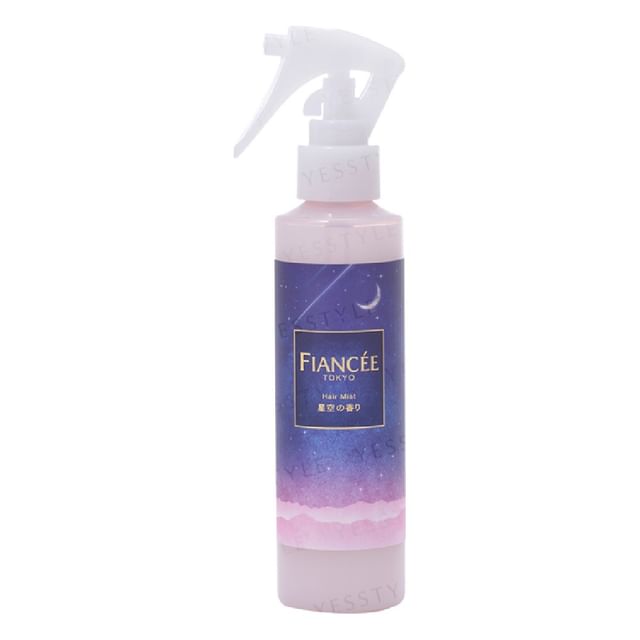
Fiancée Fragrance Hair Mist Starry Sky 150ml
Fiancée Fragrance Hair Mist Starry Sky offers a calming fragrance inspired by the peaceful feeling of gazing at a starry sky. The scent captures the quiet comfort of the evening, making it ideal for daily use or as part of a relaxing night-time routine. It features lavender oil, known for its calming qualities, helping you unwind and refresh after a busy day.
Heat Protection
Dryness
Frizz
All Hair Types
Daily
Pre-Styling
Optimized for Your Environment & Lifestyle
Nykaa
In stock
Recommended

Fiancée Fragrance Hair Mist Starry Sky 150ml
Fiancée
fiancee-fragrance-hair-mist-starry-sky-150ml
Hair Mist
10407587086629
Morning or Evening?
How often will you use this product?
Notes


Secure payment protection
Your Biodata Compatibility Analysis
Based on your 6 hair health indices and environmental factors
Poor Match
Significant incompatibilities
Growth Cycle Health Index
Hair Match
Hair Health Index Alignment
Optimal for OSI, SSI, DI, HSI
Ingredient Efficacy
Matching Ingredient Score
Environment Compatibility
Current UV, Air Quality & Humidity
Why This Works for Your Specific Profile
Damage Index:
Water Quality:
Hair:
Active Lifestyle:
Your Hair Profile Integration
Your Hair Archetype

Density Level

Washing Frequency

Shedding Level

Oil Level
Your Hair Health Indices
Oil Secretion (OSI)
Very low oil production
Scalp Sensitivity (SSI)
Very low sensitivity
Growth Rate (CMR)
Poor metabolism rate
Damage Index (DI)
Minimal damage
Hair Strength (HSI)
Very weak strength
Softness Index (SI)
Significant improvement needed
Water & Environmental Integration

Water:


Expected Results & Timeline
Key Highlights

What is it?
Hair mist with calming fragrance and heat protection

Who Is It For
All ages and genders

Budget
$18.50 - $37.00

Timeline
Immediate
Why You’ll Love It

What Does It Help With?
Dryness, Frizz

Best for
All Hair Types

Features
Calming fragrance inspired by a starry sky, Contains lavender oil for relaxation, Provides heat protection

Checks
Ingredients Overview
Ingredients List
water, ethanol, glycerin, dipropylene-glycol, butylene-glycol, hydrolyzed-soy-protein, yuzu-fruit-extract, hydrolyzed-silk, polyquaternium-51, sodium-hyaluronate, camellia-seed-oil, macadamia-seed-oil, olive-fruit-oil, persimmon-tannin, hydrolyzed-conchiolin, polyurethane-14, meadowfoam-oil, glycine, ethylhexyl-methoxycinnamate, peg-50-hydrogenated-castor-oil, sodium-citrate, peg-12-dimethicone, diphenylsiloxyphenyl-trimethicone, ppg-6-decyltetradeceth-30, acrylates-copolymer-amp, zinc-sulfate, dihydroxymethylsilylpropoxy-hydroxypropyl-hydrolyzed-soy-protein, denatured-alcohol, steartrimonium-chloride, edta-2na, parfum, phenoxyethanol, methylparaben, ethylparaben
Key Ingredients
hydrolyzed-soy-protein, camellia-seed-oil, macadamia-seed-oil, olive-fruit-oil, sodium-hyaluronate, hydrolyzed-silk
Ingredients Details
Ethanol
Common Name(s): Ethanol,cosmetic active,functional ingredient
CAS Number: N/a
DESCRIPTION
What It Does: Delivers characteristic cosmetic function at recommended use concentration.
Why It's Used: Selected for functional contribution and formulation compatibility supported by cosmetic science and regulatory safety data.
How It Works: Works through the mechanism of its molecular class as documented in peer-reviewed cosmetic literature.
Typically Found In: Skin care formulations
TECHNICAL DETAILS
Primary Category: Active ingredient – cosmetic active
Secondary Functions: Skin conditioning
Application Areas:

Facial Skincare

Body Care
Hair Care
Beard Care
Color Cosmetics (Makeup)
Dietary/Oral Supplements
Typical Concentration Range: 0.1%–10%
SOURCING & ETHICS
Vegan Status: Conditional
Halal Status: Yes
Source Notes: Commercially produced for cosmetic use. verify vegan/halal status with supplier.
SKIN COMPATIBILITY
Irritancy Rating: 1/5 – very low
Comedogenicity Rating: 0/5 – non-comedogenic
Sensitivity Concerns: Well-tolerated by most skin types.
Safe for Sensitive Skin: Yes
SAFETY & COMPATIBILITY
Safety Profile: Good safety profile at recommended concentrations. ewg score: 1–2.
Works Well With: Standard skincare actives
Avoid Combining With: No known significant incompatibilities
SCIENTIFIC NOTE
Ethanol has an established safety profile within the cosmetic regulatory framework at standard use concentrations.
Last Verified: Cosing database,ethanol technical literature
Primary Sources: 2026-03-12
Ethylparaben
Common Name(s): Cosmetic preservative,microbial growth inhibitor,product stability agent
CAS Number: N/a
DESCRIPTION
What It Does: Prevents microbial contamination that would otherwise render water-containing cosmetics unsafe — inhibiting bacterial, fungal, and yeast growth through membrane disruption, enzyme inhibition, or metabolic interference at permitted regulatory concentrations.
Why It's Used: Preservatives are safety-critical — un-preserved water-containing cosmetics can develop dangerous microbial contamination (pseudomonas aeruginosa eye infections, s. aureus skin infections) within days. preservation is a regulatory requirement, not an optional enhancement.
How It Works: Mechanism varies by class: organic acids (benzoic, dehydroacetic) disrupt intracellular ph in bacteria and fungi by proton flux across membranes; parabens inhibit membrane-associated enzyme function; chlorhexidine disrupts bacterial and fungal membrane integrity through divalent ion chelation of membrane phospholipids.
Typically Found In: All aqueous formulations
TECHNICAL DETAILS
Primary Category: Active ingredient – cosmetic active
Secondary Functions: Skin conditioning
Application Areas:
Facial Skincare
Body Care
Hair Care
Beard Care
Color Cosmetics (Makeup)
Dietary/Oral Supplements
Typical Concentration Range: Check annex v eu limits
SOURCING & ETHICS
Vegan Status: Yes
Halal Status: Yes
Source Notes: Commercially produced for cosmetic use. verify vegan/halal status with supplier.
SKIN COMPATIBILITY
Irritancy Rating: 1/5 – very low
Comedogenicity Rating: 0/5 – non-comedogenic
Sensitivity Concerns: Well-tolerated by most skin types.
Safe for Sensitive Skin: Yes
SAFETY & COMPATIBILITY
Safety Profile: Good safety profile at recommended concentrations. ewg score: 1–2.
Works Well With: Standard skincare actives
Avoid Combining With: No known significant incompatibilities
SCIENTIFIC NOTE
Eu regulation 1223/2009 annex v lists all permitted preservatives with maximum concentrations — preservatives not listed are prohibited. formulators must verify both permitted status and maximum concentration for each market before finalising preservation systems.
Last Verified: Eu regulation 1223/2009 annex v,cosmetic preservative regulatory review
Primary Sources: 2026-03-12
Glycerin
Common Name(s): Glycerol,glycerine,1,2,3-propanetriol
CAS Number: 56-81-5
DESCRIPTION
What It Does: Glycerin pulls water from the environment and deeper skin layers into the outer skin layer (epidermis), boosting moisture levels and keeping skin soft, smooth, and plump.
Why It's Used: It is used in virtually every moisturizer, serum, and cleanser because it is highly effective at hydrating skin, is well-tolerated by all skin types, and enhances the texture and spreadability of formulations.
How It Works: As a humectant, glycerin forms hydrogen bonds with water molecules, trapping them in the skin. it also reinforces the skin barrier by integrating into lipid structures between skin cells.
Typically Found In: Moisturizers,serums,cleansers,toners,sheet masks,sunscreens,body lotions,shampoos,conditioners
TECHNICAL DETAILS
Primary Category: Humectant
Secondary Functions: Skin barrier support,emollient,solvent
Application Areas:
Facial Skincare
Body Care
Hair Care
Beard Care
Color Cosmetics (Makeup)
Dietary/Oral Supplements
Typical Concentration Range: 1%–30% (typical: 3–10%)
SOURCING & ETHICS
Vegan Status: Yes – plant-derived (coconut, soy, palm) or synthetic
Halal Status: Yes – when plant-derived or synthetic; verify source with supplier
Source Notes: Derived from plant oils via hydrolysis or saponification; synthetic versions also available. palm-derived glycerin carries sustainability concerns.
SKIN COMPATIBILITY
Irritancy Rating: 1/5 – very low; non-irritating at all standard concentrations
Comedogenicity Rating: 0/5 – non-comedogenic
Sensitivity Concerns: Extremely rare allergic reactions; generally safe for all skin types including sensitive and baby skin
Safe for Sensitive Skin: Yes
SAFETY & COMPATIBILITY
Safety Profile: Widely recognized as safe. ewg hazard score: 1. no significant concerns for irritation, sensitization, or toxicity at typical concentrations (up to 50%).
Works Well With: Hyaluronic acid,ceramides,niacinamide,panthenol,urea,peptides,retinol,ahas/bhas
Avoid Combining With: No known incompatibilities at standard concentrations
SCIENTIFIC NOTE
Glycerin is an endogenous skin component found naturally in the stratum corneum. aquaporin-3 channels in keratinocytes facilitate glycerin transport, making it integral to natural skin hydration pathways.
Last Verified: Cosing database,cir safety assessment,ewg skin deep,inci decoder
Primary Sources: 2026-03-12
Glycine
Common Name(s): Aminoacetic acid,aminoethanoic acid,h-gly-oh
CAS Number: 56-40-6
DESCRIPTION
What It Does: Provides nmf amino acid skin conditioning and collagen-constituent support.
Why It's Used: The collagen amino acid — glycine is the most abundant amino acid in collagen (every third residue in the triple helix is glycine) making topical glycine the most physiologically relevant collagen-support amino acid.
How It Works: Nmf component via zwitterionic water retention. collagen triple helix requires gly-x-y repeat where glycine's small size allows close packing. wound healing via fibroblast glutathione synthesis support. anti-inflammatory via glycine-gated chloride channel activation (inhibitory neuromodulator).
Typically Found In: Skin conditioning products,wound healing,nmf moisturisers
TECHNICAL DETAILS
Primary Category: Active ingredient – simplest amino acid
Secondary Functions: Skin conditioning
Application Areas:
Facial Skincare
Body Care
Hair Care
Beard Care
Color Cosmetics (Makeup)
Dietary/Oral Supplements
Typical Concentration Range: 0.5%–5%
SOURCING & ETHICS
Vegan Status: Yes – fermentation or synthetic
Halal Status: Yes
Source Notes: Commercially produced for cosmetic use. verify vegan/halal status with supplier.
SKIN COMPATIBILITY
Irritancy Rating: 1/5 – very low
Comedogenicity Rating: 0/5 – non-comedogenic
Sensitivity Concerns: Well-tolerated by most skin types.
Safe for Sensitive Skin: Yes
SAFETY & COMPATIBILITY
Safety Profile: Good safety profile at recommended concentrations. ewg score: 1–2.
Works Well With: Standard skincare actives
Avoid Combining With: No known significant incompatibilities
SCIENTIFIC NOTE
Glycine's mandatory presence at every third position in collagen's triple helix (gly-x-y repeat) arises from its unique zero side-chain structure — only glycine is small enough to fit at the sterically restricted centre of the triple helix where the three polypeptide chains cross. no other amino acid can substitute for glycine in the collagen triple helix without disrupting the structure, making glycine irreplaceable in collagen biology.
Last Verified: Cosing database,cir safety assessment
Primary Sources: 2026-03-12
Personalized Usage Instructions
How to Use
Step 1
Spray onto hair along the entire length
Step 2
Can be used both before and after hair drying
Medical Chemicals

Protein/Moisture
- Protein/Moisture balance
pH Level
- Acidic

Porosity Taget
- Normal Porosity
Customized for Your Profile
Scalp Condtions
Sensitive Scalp
Climate Suitability
Humid, Dry, UV Protection
Clinical Claims
Frequency
Spray onto hair along the entire length. Can be used both before and after hair drying.
