

Elizabeth Arden
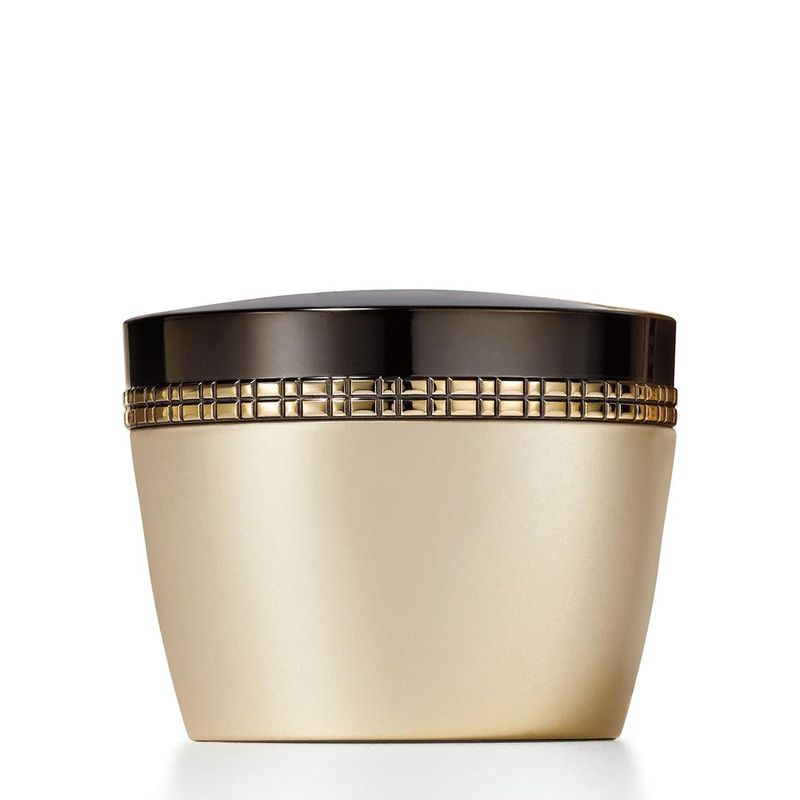
Elizabeth Arden Ceramide Premier Intense Moisture And Renewal Overnight Regeneration Cream

Elizabeth Arden Ceramide Premier Intense Moisture And Renewal Overnight Regeneration Cream
Elizabeth Arden
elizabeth-arden-ceramide-premier-intense-moisture-and-renewal-overnight-regeneration-cream
Moisturize
10084760355109
Morning or Evening?
How often will you use this product?
Notes


Highlights
WHAT IS IT?
Overnight regeneration cream, contains ceramides and retinal complex
FEATURES
Restores moisture-magnet lipids ceramides, increases skin cell turnover, smooths skin tone, reduces appearance of age spots and lines, replenishes and revitalizes dry skin, hydrates intensely, patented retinal complex supports cell turnover
BEST FOR
dry
CHECKS
does not explicitly state what it doesn't contain in text
Who Is It For?
All Genders Age Not Explicitly StatedWhat Does It Help With?
Age Spots Fine Lines Wrinkles Dry And Fragile-looking Skin Skin Texture And Tone ImprovementBudget
Premium ($76-$150)How To Use
Which routine should it be used in?
Instructions:
Key Information


What Elizabeth Arden Says
Product Description:
With age, skin loses lipids and cell turnover slows. This cream restores your levels of moisture-magnet lipids called Ceramides as our retinal complex increases skin cell turnover. Skin tone is smoother, more radiant, with reduced appearance of age spots and lines. Works while you sleep to replenish and revitalize dry, fragile-looking skin. Hydrates intensely to restore skin's natural moisture balance and ease the appearance of fine lines and wrinkles. Patented retinal complex supports surface skin's cell turnover.
About the Brand:
Ingredients Overview
Ingredients List
Aqua/Water/Eau, Dimethicone, Glycerin, Caprylic/Capric Triglyceride, Hydrogenated Polyisobutene, Neopentyl Glycol Dicaprylate/Dicaprate, Petrolatum, Glyceryl Stearate, Butylene Glycol, Dipentaerythrityl Hexacaprylate/Hexacaprate, Tridecyl Trimellitate, Butyrospermum Parkii (Shea) Butter, PEG-100 Stearate, Cetearyl Alcohol, Isopropyl Myristate, Polyethylene, Hydrogenated Lecithin, 3-Aminopropane Sulfonic Acid, Aminopropyl Dimethicone, Ammonium Acryloyldimethyltaurate/VP Copolymer, Behenyl Alcohol, Bis-Vinyl Dimethicone/Dimethicone Copolymer, Calcium Hydroxymethionine, Caprylyl Glycol, Carbomer, Ceramide AP, Ceramide EOP, Ceramide NP, Cholesterol, Disodium EDTA, EDTA, Fucus Serratus Extract, Hydrolyzed Soy Protein, Hydroxyethylcellulose, Methyl Methacrylate Crosspolymer, PEG-40 Hydrogenated Castor Oil, Pentylene Glycol, Phytosphingosine, Polysorbate 20, Retinyl Linoleate, Sodium Lauroyl Lactylate, Soy Amino Acids, Tocopheryl Acetate, Tridecyl Stearate, Xanthan Gum, Yeast Extract, Parfum (Fragrance), Alpha-Isomethyl Ionone, Citronellol, Hydroxycitronellal, Chlorphenesin, Phenoxyethanol, Potassium Sorbate. B02330
Key Ingredients
Ceramide Triple Complex, Calcium, Amino Acids, Brown Algae, Premier Retinyl Complex
Ingredients Details
3-aminopropane Sulfonic Acid
Common Name(s): 3-aminopropane sulfonic acid,3-aps,beta-alanine sulfonic acid,taurine analog
CAS Number: 3687-18-1
DESCRIPTION
What It Does: Conditions hair and skin, reduces static, and improves manageability.
Why It's Used: A taurine-analog amino sulfonic acid providing hair and skin conditioning; the zwitterionic structure (amine + sulfonate) gives excellent affinity to keratin surfaces.
How It Works: Zwitterionic character at physiological ph enables strong adsorption to hair/skin keratin; amino group provides cationic character for anti-static function; sulfonate provides water solubility and retention.
Typically Found In: Hair conditioners,anti-static hair products,skin conditioning serums,cleansing formulas
TECHNICAL DETAILS
Primary Category: Active ingredient – conditioning
Secondary Functions: Hair conditioning,anti-static,skin conditioning
Application Areas:

Facial Skincare

Body Care
Hair Care
Beard Care
Color Cosmetics (Makeup)
Dietary/Oral Supplements
Typical Concentration Range: 0.5%–5%
SOURCING & ETHICS
Vegan Status: Yes
Halal Status: Yes
Source Notes: Synthetic amino sulfonic acid; related to taurine chemistry.
SKIN COMPATIBILITY
Irritancy Rating: 1/5 – very low
Comedogenicity Rating: 1/5 – low
Sensitivity Concerns: Very mild; amino sulfonate structure is well tolerated.
Safe for Sensitive Skin: Yes
SAFETY & COMPATIBILITY
Safety Profile: Good safety profile. ewg score: 1.
Works Well With: Betaines,quaternary ammonium conditioners,humectants,amino acids
Avoid Combining With: No significant incompatibilities
SCIENTIFIC NOTE
3-aminopropane sulfonic acid is a structural analog of taurine (2-aminoethane sulfonic acid) with an extended propane spacer; amino sulfonates combine zwitterionic conditioning with inherent surface activity; cas 3687-18-1.
Last Verified: Cosing database,inci dictionary,cas 3687-18-1
Primary Sources: 2026-03-27
Alpha-isomethyl Ionone
Common Name(s): Alpha-isomethyl ionone
DESCRIPTION
What It Does: Delivers targeted skin-conditioning or bioactive benefits through a specific mechanism of action suited to the formulation's intended purpose.
Why It's Used: Specialty actives address specific skin concerns through targeted molecular mechanisms, providing efficacy beyond what base formulation ingredients alone can achieve.
How It Works: The bioactive compound interacts with specific molecular targets in skin cells or the extracellular matrix — enzymes, receptors, structural proteins, or signaling molecules — triggering beneficial biological responses.
Typically Found In: Serums,treatments,moisturizers,specialty products
TECHNICAL DETAILS
Primary Category: Specialty actives
Secondary Functions: Skin-conditioning,anti-aging
Application Areas:
Facial Skincare
Body Care
Hair Care
Beard Care
Color Cosmetics (Makeup)
Dietary/Oral Supplements
Typical Concentration Range: 0.01–5%
SOURCING & ETHICS
Vegan Status: Yes
Halal Status: Yes
Source Notes: Specialty active ingredient; check individual sourcing for vegan status.
SKIN COMPATIBILITY
Irritancy Rating: 1
Comedogenicity Rating: 0
Sensitivity Concerns: Low sensitization potential at recommended use concentrations.
Safe for Sensitive Skin: Yes
SAFETY & COMPATIBILITY
Safety Profile: Well-characterized cosmetic ingredient with established safety profile. generally non-irritating at typical use concentrations. suitable for leave-on and rinse-off cosmetics.
Works Well With: Niacinamide,hyaluronic acid,vitamin c,peptides
Avoid Combining With: Incompatible with oxidizing agents; check ph stability
SCIENTIFIC NOTE
Specialty actives typically work through enzyme inhibition (e.g., tyrosinase inhibition for brightening, mmp inhibition for anti-aging), receptor activation (e.g., retinoid receptors, ppar-γ for barrier genes), or transcription factor modulation (e.g., nrf2 for antioxidant gene upregulation). structure-activity relationships determine potency and selectivity.
Last Verified: Cosing eu database; pcpc cosmetic ingredient safety reviews; ingredient-specific safety and efficacy literature
Primary Sources: 2025-01-15
Aminopropyl Dimethicone
Common Name(s): Aminopropyl dimethicone
DESCRIPTION
What It Does: Creates a smooth, silky skin feel, reduces friction, and forms a breathable film on skin that enhances product application and wear.
Why It's Used: Silicones provide unmatched aesthetic elegance, thermal stability, and formulation flexibility that enhance both consumer experience and product performance.
How It Works: Siloxane backbone provides a flexible, chemically inert polymer that forms thin, breathable films on skin surface, filling surface irregularities and providing low surface energy for exceptional slip and spreadability.
Typically Found In: Moisturizers,primers,foundations,sunscreens,hair products
TECHNICAL DETAILS
Primary Category: Silicones
Secondary Functions: Emollient,film former
Application Areas:
Facial Skincare
Body Care
Hair Care
Beard Care
Color Cosmetics (Makeup)
Dietary/Oral Supplements
Typical Concentration Range: 0.5–30%
SOURCING & ETHICS
Vegan Status: Yes
Halal Status: Yes
Source Notes: Synthetic silicone polymer; not plant-derived but generally considered vegan.
SKIN COMPATIBILITY
Irritancy Rating: 1
Comedogenicity Rating: 0
Sensitivity Concerns: Low sensitization potential at recommended use concentrations.
Safe for Sensitive Skin: Yes
SAFETY & COMPATIBILITY
Safety Profile: Well-characterized cosmetic ingredient with established safety profile. generally non-irritating at typical use concentrations. suitable for leave-on and rinse-off cosmetics.
Works Well With: Other emollients,uv filters,pigments
Avoid Combining With: Silicone-sensitive formulations; biodegradability concerns in eco-formulations
SCIENTIFIC NOTE
Silicone polymers are poly(dimethylsiloxane) backbones with si-o bond energy (105 kcal/mol) significantly higher than c-c (83 kcal/mol), providing exceptional thermal and oxidative stability. the low surface energy (21 mn/m vs 30+ mn/m for organic polymers) accounts for silicone's unique slip feel, and the si-o bond's flexibility (rotation barrier ~0.3 kcal/mol) enables fluid behavior across wide temperature ranges.
Last Verified: Cosing eu database; pcpc cosmetic ingredient safety reviews; ingredient-specific safety and efficacy literature
Primary Sources: 2025-01-15
Ammonium Acryloyldimethyltaurate/vp Copolymer
Common Name(s): Ammonium acryloyldimethyltaurate/vp copolymer
DESCRIPTION
What It Does: Delivers targeted skin-conditioning or bioactive benefits through a specific mechanism of action suited to the formulation's intended purpose.
Why It's Used: Specialty actives address specific skin concerns through targeted molecular mechanisms, providing efficacy beyond what base formulation ingredients alone can achieve.
How It Works: The bioactive compound interacts with specific molecular targets in skin cells or the extracellular matrix — enzymes, receptors, structural proteins, or signaling molecules — triggering beneficial biological responses.
Typically Found In: Serums,treatments,moisturizers,specialty products
TECHNICAL DETAILS
Primary Category: Specialty actives
Secondary Functions: Skin-conditioning,anti-aging
Application Areas:
Facial Skincare
Body Care
Hair Care
Beard Care
Color Cosmetics (Makeup)
Dietary/Oral Supplements
Typical Concentration Range: 0.01–5%
SOURCING & ETHICS
Vegan Status: Yes
Halal Status: Yes
Source Notes: Specialty active ingredient; check individual sourcing for vegan status.
SKIN COMPATIBILITY
Irritancy Rating: 1
Comedogenicity Rating: 0
Sensitivity Concerns: Low sensitization potential at recommended use concentrations.
Safe for Sensitive Skin: Yes
SAFETY & COMPATIBILITY
Safety Profile: Well-characterized cosmetic ingredient with established safety profile. generally non-irritating at typical use concentrations. suitable for leave-on and rinse-off cosmetics.
Works Well With: Niacinamide,hyaluronic acid,vitamin c,peptides
Avoid Combining With: Incompatible with oxidizing agents; check ph stability
SCIENTIFIC NOTE
Specialty actives typically work through enzyme inhibition (e.g., tyrosinase inhibition for brightening, mmp inhibition for anti-aging), receptor activation (e.g., retinoid receptors, ppar-γ for barrier genes), or transcription factor modulation (e.g., nrf2 for antioxidant gene upregulation). structure-activity relationships determine potency and selectivity.
Last Verified: Cosing eu database; pcpc cosmetic ingredient safety reviews; ingredient-specific safety and efficacy literature
Primary Sources: 2025-01-15
