

ECOVANI
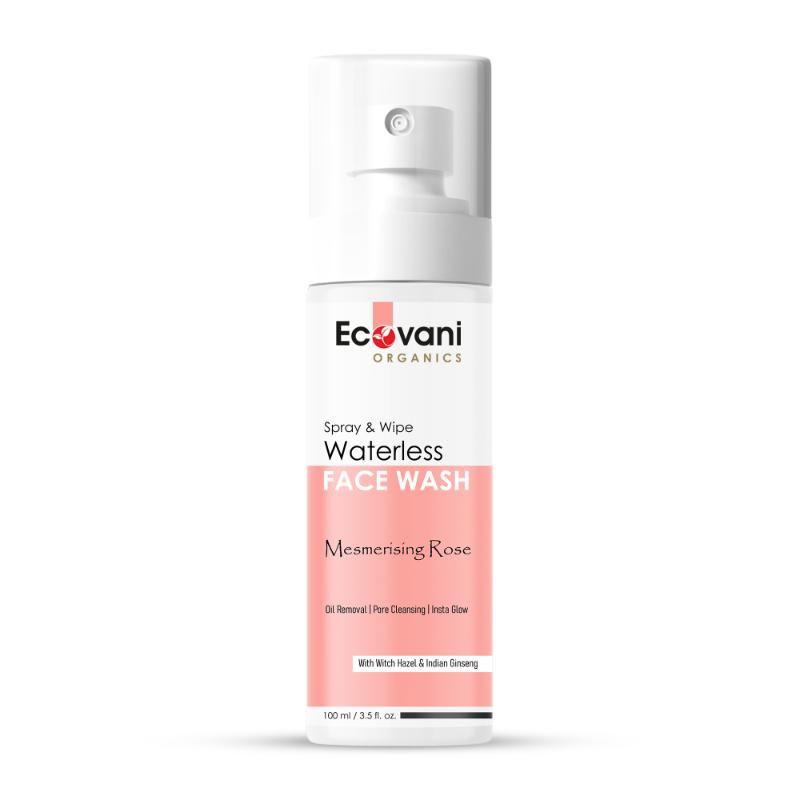
ECOVANI Waterless Rose Face Wash

ECOVANI Waterless Rose Face Wash
ECOVANI
ecovani-waterless-rose-face-wash
Cleanse
10085111365925
Morning or Evening?
How often will you use this product?
Notes


Highlights
WHAT IS IT?
Waterless face wash with 8 ingredients
FEATURES
Keeps skin oil and dirt free, prevents acne and tan deposits, effective in humid conditions, no water needed, good for oily T-zones, prevents skin damage from repeated washing
BEST FOR
oily
CHECKS
Does not contain parabens, sulfates
Who Is It For?
All Genders No Specific Age Range MentionedWhat Does It Help With?
Acne Prevention Tan Prevention Oil Control Skin Damage PreventionBudget
Affordable (under $30)How To Use
Which routine should it be used in?
Instructions:
Key Information


What ECOVANI Says
Product Description:
Waterless Face wash is a concept to keep the oil and dirt deposits clear from the face at all times. The skin must feel absolutely non-sticky and clean to be able to prevent the acne breakouts and also prevent tan deposits. Waterless face wash is also extremely effective in the following conditions: Extreme humid conditions leading to sticky skin, Lack of access to water and face wash, Instant face cleansing prior to any important meet up, Effective for people with oily T-zones, Prevents skin damage due to repeated use of face wash especially in summers. About the Brand: Ecovani Organics is a brand started with the aim of bringing all things natural to the people who are conscious about Nature. These skin and hair care products are formulated from nature's best kept secret ingredients such as turmeric, amla, hibiscus, aloevera, bhringraj, neem and many other well-known ingredients. These are no fancy ingredients but are combined in calculated quantities so as to yield the maximum effectiveness in skin care and hair care routine. Boasting of no side effects, Ecovani Organics is a haven for the people looking for natural personal care products.
About the Brand:
Ingredients Overview
Ingredients List
ghritkumari-ark-aloe-vera-barbadensis, sahijna-ark-moringa-pterygosperna-gaertn, gulab-taila-rosa-centifolia, chandan-taila-santalum-album, dm-water, sodium-lactate, propylene-glycol, hydrogenated-castor-oil, ethylene-diamine-tetra-acetic-acid, phenoxyethanol
Key Ingredients
Aloe Vera, Moringa, Rose Oil, Sandalwood Oil
Ingredients Details
Phenoxyethanol
Common Name(s): 2-phenoxyethanol,rose ether,ethylene glycol monophenyl ether
CAS Number: 122-99-6
DESCRIPTION
What It Does: Prevents microbial contamination and spoilage in cosmetic formulations.
Why It's Used: The benchmark cosmetic preservative – eu-permitted up to 1%, effective against virtually all cosmetically relevant microorganisms, and excellent tolerability.
How It Works: Phenol ring provides broad antimicrobial activity via disruption of bacterial and fungal cell membranes and inhibition of enzymatic activity. effective against gram-positive and gram-negative bacteria, yeasts (candida), and molds (aspergillus). activity ph range: 3-9.
Typically Found In: All cosmetic formulations as primary preservative
TECHNICAL DETAILS
Primary Category: Functional ingredient – broad-spectrum preservative
Secondary Functions: Skin conditioning
Application Areas:

Facial Skincare

Body Care
Hair Care
Beard Care
Color Cosmetics (Makeup)
Dietary/Oral Supplements
Typical Concentration Range: 0.1%–1% (eu max 1%)
SOURCING & ETHICS
Vegan Status: Conditional - supplier confirmation required
Halal Status: Unverified - supplier confirmation required
Source Notes: Commercially produced for cosmetic use. verify vegan/halal status with supplier. [audit 2026-07-29 rev2: the record's own source_notes does not assert a non-animal origin, or instructs the reader to verify with the supplier; "yes" asserts knowledge the record does not hold. determination requires shariah-panel sign-off.]
SKIN COMPATIBILITY
Irritancy Rating: 1/5 – very low
Comedogenicity Rating: 0/5 – non-comedogenic
Sensitivity Concerns: Well-tolerated by most skin types.
Safe for Sensitive Skin: Yes
SAFETY & COMPATIBILITY
Safety Profile: Eu cosmetics regulation max 1%. sccs assessed as safe at ≤1%. avoid use around eyes in baby products per some country regulations. ewg score: 4.
Works Well With: Standard skincare actives
Avoid Combining With: No known significant incompatibilities
SCIENTIFIC NOTE
Phenoxyethanol's widespread adoption as the primary cosmetic preservative followed the phaseout of parabens from many formulations in the 2000s-2010s. despite having a comparable or better safety profile to parabens, it is often cited in 'free-from' formulations – a consumer perception issue rather than a scientific safety concern.
Last Verified: