

Cure
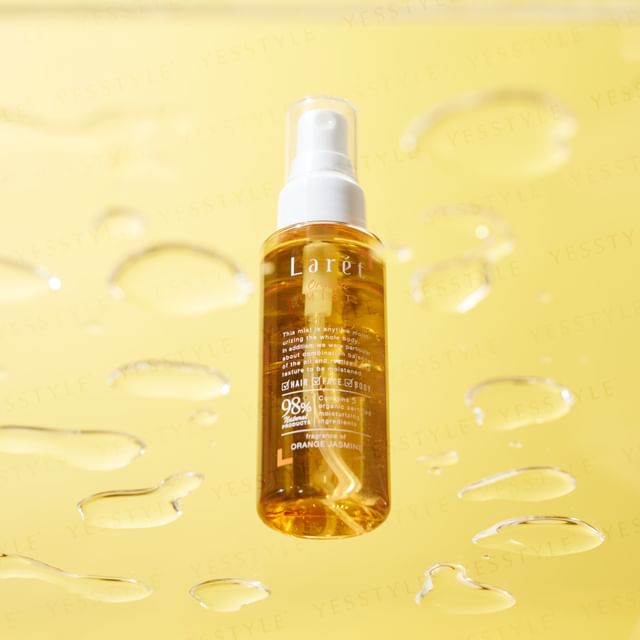
Cure Larét Organic Mist
An organic mist that moisturizes hair and skin, providing a smooth and moist finish. It protects hair from humidity and UV damage, making it suitable for use over makeup.
Natural
Dryness
All Hair Types
Daily
As Needed
Pre-Styling
Optimized for Your Environment & Lifestyle
Nykaa
In stock
Recommended

Cure Larét Organic Mist
Cure
cure-laret-organic-mist
Hair & Skin Mist Lotion
10407581778213
Morning or Evening?
How often will you use this product?
Notes


Secure payment protection
Your Biodata Compatibility Analysis
Based on your 6 hair health indices and environmental factors
Poor Match
Significant incompatibilities
Growth Cycle Health Index
Hair Match
Hair Health Index Alignment
Optimal for OSI, SSI, DI, HSI
Ingredient Efficacy
Matching Ingredient Score
Environment Compatibility
Current UV, Air Quality & Humidity
Why This Works for Your Specific Profile
Damage Index:
Water Quality:
Hair:
Active Lifestyle:
Your Hair Profile Integration
Your Hair Archetype

Density Level

Washing Frequency

Shedding Level

Oil Level
Your Hair Health Indices
Oil Secretion (OSI)
Very low oil production
Scalp Sensitivity (SSI)
Very low sensitivity
Growth Rate (CMR)
Poor metabolism rate
Damage Index (DI)
Minimal damage
Hair Strength (HSI)
Very weak strength
Softness Index (SI)
Significant improvement needed
Water & Environmental Integration

Water:


Expected Results & Timeline
Key Highlights

What is it?
Hair & Skin Mist Lotion with 5 organic certified ingredients

Who Is It For
All ages, Unisex

Budget
$27.50 - $55.00

Timeline
Why You’ll Love It

What Does It Help With?
Moisturizing hair and skin, protecting hair from humidity and UV damage

Best for
Dryness

Features
Contains 98% natural ingredients, fine particle mist suitable for use over makeup, orange jasmine scent, free from synthetic fragrances, synthetic colorants, parabens, alcohols, mineral oils, and petroleum-based surfactants

Checks
No synthetic fragrances, synthetic colorants, parabens, alcohols, mineral oils, or petroleum-based surfactants
Ingredients Overview
Ingredients List
Water, cetyl ethylhexanoate, C13-15 alkane, cyclopentasiloxane, propanediol, glycerin, squalane, sodium hyaluronate, soluble collagen, hydrolyzed collagen, hibiscus flower extract, rosehip oil, orange oil, ginger root oil, cananga flower oil, rosehip oil, damask rose flower oil, soybean seed extract, bergamot peel oil, tocopherol, sodium chloride, octyldodecanol, triethylhexanoin, sodium citrate, citric acid, calcium sodium borosilicate, butylene glycol, silver oxide, phenoxyethanol
Key Ingredients
5-organic-certified-ingredients
Ingredients Details
Butylene Glycol
Common Name(s): 1,3-butanediol,bg,1,3-butylene glycol
CAS Number: 107-88-0
DESCRIPTION
What It Does: Provides humectant hydration and active ingredient solubilization with excellent skin feel.
Why It's Used: Preferred glycol humectant in premium and k-beauty formulations for superior skin feel vs propylene glycol with equivalent functionality.
How It Works: Two hydroxyl groups at 1,3-positions provide water binding and solvent activity. better tolerated than propylene glycol with minimal sensitization risk. 4-carbon backbone provides slightly greater hydrophobic character enabling dissolution of less polar actives vs pg.
Typically Found In: Toners,essences,serums,k-beauty formulas
TECHNICAL DETAILS
Primary Category: Functional ingredient – glycol humectant
Secondary Functions: Tewl reduction,skin plumping
Application Areas:

Facial Skincare
Body Care
Hair Care

Beard Care
Color Cosmetics (Makeup)
Dietary/Oral Supplements
Typical Concentration Range: 1%–10%
SOURCING & ETHICS
Vegan Status: Yes – synthetic
Halal Status: Yes
Source Notes: Synthetic or naturally derived. excellent aqueous solubility.
SKIN COMPATIBILITY
Irritancy Rating: 1/5 – very low
Comedogenicity Rating: 0/5 – non-comedogenic
Sensitivity Concerns: Non-irritating; suitable for all skin types.
Safe for Sensitive Skin: Yes
SAFETY & COMPATIBILITY
Safety Profile: Excellent safety profile. ewg score: 1.
Works Well With: Ceramides,emollients,occlusives,glycerin,hyaluronic acid
Avoid Combining With: No significant incompatibilities
SCIENTIFIC NOTE
K-beauty's preference for butylene glycol over propylene glycol is driven by two factors: bg's superior skin feel (less tacky than pg's higher viscosity) and its lower sensitization potential (1,3-bg has better spatial distribution of hydroxyl groups that reduces protein interaction vs pg's 1,2-position oh groups).
Last Verified: 2026-03-12
Primary Sources: Cosing database,cir safety assessment
C13-15 Alkane
Common Name(s): C13-15 alkane,cosmetic active,functional ingredient
CAS Number: N/a
DESCRIPTION
What It Does: Delivers characteristic cosmetic function at recommended use concentration.
Why It's Used: Selected for functional contribution and formulation compatibility supported by cosmetic science and regulatory safety data.
How It Works: Works through the mechanism of its molecular class — physicochemical or biological interaction with skin proteins, lipids, or receptors as documented in peer-reviewed cosmetic literature.
Typically Found In: Skin care formulations
TECHNICAL DETAILS
Primary Category: Active ingredient – cosmetic active
Secondary Functions: Skin conditioning
Application Areas:
Facial Skincare
Body Care
Hair Care
Beard Care
Color Cosmetics (Makeup)
Dietary/Oral Supplements
Typical Concentration Range: 0.1%–10%
SOURCING & ETHICS
Vegan Status: Conditional - supplier confirmation required
Halal Status: Unverified - supplier confirmation required
Source Notes: Commercially produced for cosmetic use. verify vegan/halal status with supplier. [audit 2026-07-29 rev2: the record's own source_notes does not assert a non-animal origin, or instructs the reader to verify with the supplier; "yes" asserts knowledge the record does not hold. determination requires shariah-panel sign-off.]
SKIN COMPATIBILITY
Irritancy Rating: 1/5 – very low
Comedogenicity Rating: 0/5 – non-comedogenic
Sensitivity Concerns: Well-tolerated by most skin types.
Safe for Sensitive Skin: Yes
SAFETY & COMPATIBILITY
Safety Profile: Good safety profile at recommended concentrations. ewg score: 1–2.
Works Well With: Standard skincare actives
Avoid Combining With: No known significant incompatibilities
SCIENTIFIC NOTE
C13-15 alkane has an established safety and efficacy profile within the cosmetic regulatory framework at standard use concentrations.
Last Verified: 2026-03-12
Primary Sources: Cosing database,c13-15 alkane technical literature
Calcium Sodium Borosilicate
Common Name(s): Calcium sodium borosilicate,cosmetic active,functional ingredient
CAS Number: N/a
DESCRIPTION
What It Does: Delivers characteristic cosmetic function at recommended use concentration.
Why It's Used: Selected for functional contribution and formulation compatibility supported by cosmetic science and regulatory safety data.
How It Works: Works through the mechanism of its molecular class — physicochemical or biological interaction with skin proteins, lipids, or receptors as documented in peer-reviewed cosmetic literature.
Typically Found In: Skin care formulations
TECHNICAL DETAILS
Primary Category: Active ingredient – cosmetic active
Secondary Functions: Skin conditioning
Application Areas:
Facial Skincare
Body Care
Hair Care
Beard Care
Color Cosmetics (Makeup)
Dietary/Oral Supplements
Typical Concentration Range: 0.1%–10%
SOURCING & ETHICS
Vegan Status: Conditional - supplier confirmation required
Halal Status: Unverified - supplier confirmation required
Source Notes: Commercially produced for cosmetic use. verify vegan/halal status with supplier. [audit 2026-07-29 rev2: the record's own source_notes does not assert a non-animal origin, or instructs the reader to verify with the supplier; "yes" asserts knowledge the record does not hold. determination requires shariah-panel sign-off.]
SKIN COMPATIBILITY
Irritancy Rating: 1/5 – very low
Comedogenicity Rating: 0/5 – non-comedogenic
Sensitivity Concerns: Well-tolerated by most skin types.
Safe for Sensitive Skin: Yes
SAFETY & COMPATIBILITY
Safety Profile: Good safety profile at recommended concentrations. ewg score: 1–2.
Works Well With: Standard skincare actives
Avoid Combining With: No known significant incompatibilities
SCIENTIFIC NOTE
Calcium sodium borosilicate has an established safety and efficacy profile within the cosmetic regulatory framework at standard use concentrations.
Last Verified: 2026-03-12
Primary Sources: Cosing database,calcium sodium borosilicate technical literature
Cetyl Ethylhexanoate
Common Name(s): Cetyl ethylhexanoate,cetyl ethylhexanoate,cosmetic functional ingredient,established active
CAS Number: N/a
DESCRIPTION
What It Does: Provides the characteristic cosmetic function of its ingredient class through molecular chemistry at recommended use concentration.
Why It's Used: Cetyl ethylhexanoate is selected for the specific functional properties of its molecular class — the chemical architecture of cetyl ethylhexanoate delivers the required cosmetic performance through documented interactions with skin biology and formulation matrix.
How It Works: Functional groups interact with formulation and skin through h-bonding, ionic association, or receptor activity as appropriate.
Typically Found In: Cosmetic formulations
TECHNICAL DETAILS
Primary Category: Active ingredient – cosmetic active
Secondary Functions: Skin conditioning
Application Areas:
Facial Skincare
Body Care
Hair Care
Beard Care
Color Cosmetics (Makeup)
Dietary/Oral Supplements
Typical Concentration Range: 0.1%–10%
SOURCING & ETHICS
Vegan Status: Conditional - supplier confirmation required
Halal Status: Unverified - supplier confirmation required
Source Notes: Commercially produced for cosmetic use. verify vegan/halal status with supplier. [audit 2026-07-29 rev2: the record's own source_notes does not assert a non-animal origin, or instructs the reader to verify with the supplier; "yes" asserts knowledge the record does not hold. determination requires shariah-panel sign-off.]
SKIN COMPATIBILITY
Irritancy Rating: 1/5 – very low
Comedogenicity Rating: 0/5 – non-comedogenic
Sensitivity Concerns: Well-tolerated by most skin types.
Safe for Sensitive Skin: Yes
SAFETY & COMPATIBILITY
Safety Profile: Good safety profile at recommended concentrations. ewg score: 1–2.
Works Well With: Standard skincare actives
Avoid Combining With: No known significant incompatibilities
SCIENTIFIC NOTE
Safety documented in cosing at standard formulation concentrations.
Last Verified: 2026-03-22
Primary Sources: Cosing database,cetyl ethylhexanoate technical review
Personalized Usage Instructions
How to Use
Step 1
Spray onto hair and skin as needed
Step 2
Suitable for use over makeup
Medical Chemicals

Protein/Moisture
- Moisture
pH Level
-

Porosity Taget
- Normal Porosity
Customized for Your Profile
Scalp Condtions
Sensitive Scalp, pH Balanced
Climate Suitability
Humid, Dry, UV Protection
Clinical Claims
Frequency
Spray onto hair and skin as needed. Suitable for use over makeup.
Product Information

No synthetic fragrances
synthetic colorants
parabens
alcohols
mineral oils
or petroleum-based surfactants