

Color Wow
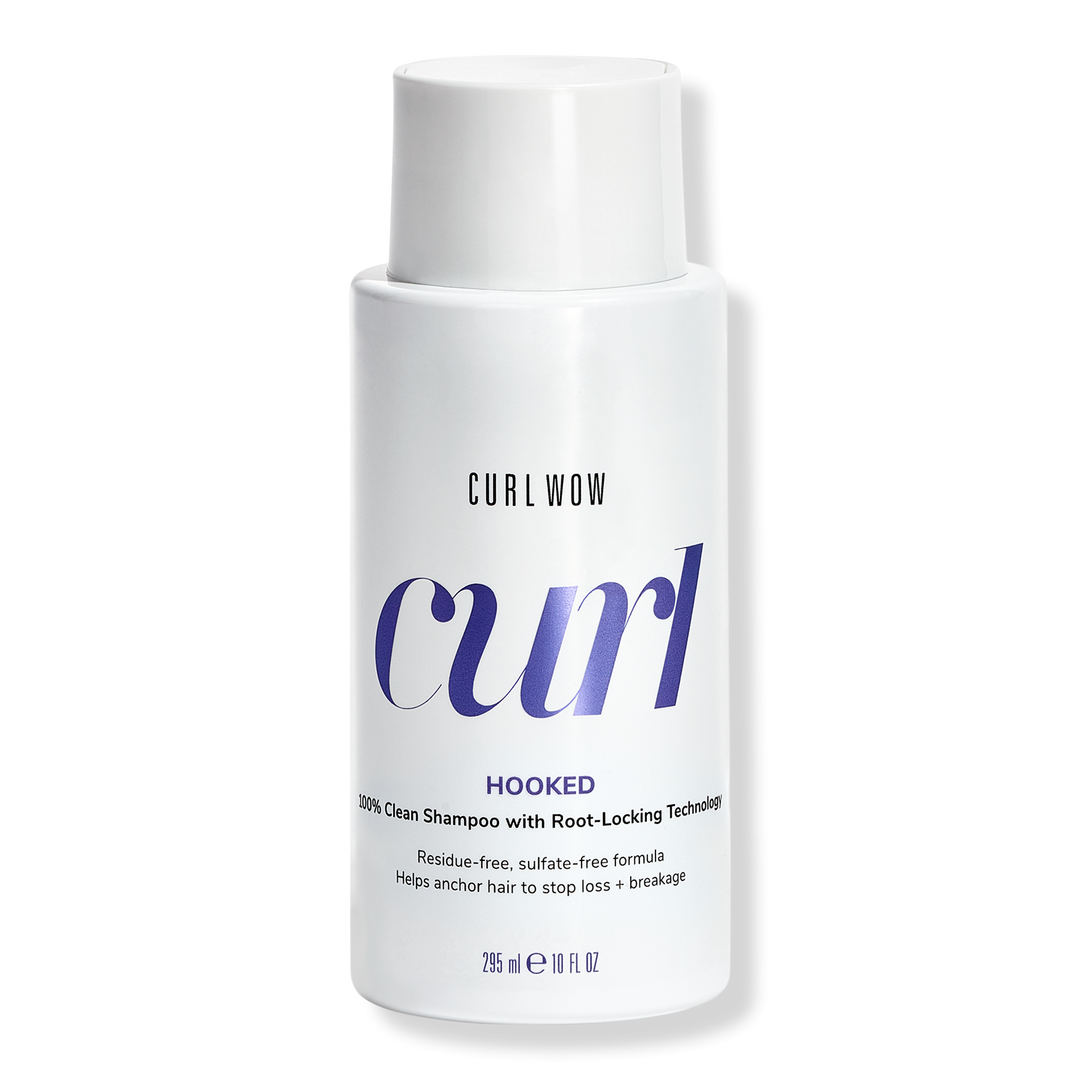
Color Wow Curl Hooked 100% Clean Shampoo with Root-Locking Technology
A 100% clean, sulfate-free shampoo that leaves no residues behind to dull color, weigh down curls, or block follicles. It fortifies strands in the follicle to help reduce shedding and breakage.
Sulfate-free
Paraben-free
Color-safe
Silicone-free
Breakage
Hair Loss
Optimized for Your Environment & Lifestyle
Nykaa
In stock
Recommended

Color Wow Curl Hooked 100% Clean Shampoo with Root-Locking Technology
Color Wow
color-wow-curl-hooked-100-clean-shampoo-with-root-locking-technology
Shampoo
10355420692773
Morning or Evening?
How often will you use this product?
Notes


Secure payment protection
Your Biodata Compatibility Analysis
Based on your 6 hair health indices and environmental factors
Poor Match
Significant incompatibilities
Growth Cycle Health Index
Hair Match
Hair Health Index Alignment
Optimal for OSI, SSI, DI, HSI
Ingredient Efficacy
Matching Ingredient Score
Environment Compatibility
Current UV, Air Quality & Humidity
Why This Works for Your Specific Profile
Damage Index:
Damage levels outside specified range may not benefit optimally from product formulation
Water Quality:
Soft or moderately hard water does not require intensive treatment causing over-cleansing and dryness
Hair:
No porosity-specific conflicts
Active Lifestyle:
High activity and frequent washing rapidly strip product benefits requiring excessive reapplication
Your Hair Profile Integration
Your Hair Archetype

Density Level

Washing Frequency

Shedding Level

Oil Level
Your Hair Health Indices
Oil Secretion (OSI)
Very low oil production
Scalp Sensitivity (SSI)
Very low sensitivity
Growth Rate (CMR)
Poor metabolism rate
Damage Index (DI)
Minimal damage
Hair Strength (HSI)
Very weak strength
Softness Index (SI)
Significant improvement needed
Water & Environmental Integration

Water:


Expected Results & Timeline
Key Highlights

What is it?
Shampoo with 27 ingredients

Who Is It For
Adults

Budget
$29.00 - $58.00

Timeline
Why You’ll Love It

What Does It Help With?
Breakage, Hair Loss

Best for
Curly hair

Features
100% clean formula, sulfate-free, leaves no residues, fortifies strands to reduce shedding and breakage

Checks
Sulfate-free, Paraben-free, Color-safe, Silicone-free
Ingredients Overview
Ingredients List
water-aqua, sodium-methyl-2-sulfolaurate, cocamidopropyl-hydroxysultaine, sodium-cocoyl-isethionate, sodium-lauryl-sulfoacetate, sodium-lauroamphoacetate, sodium-methyl-cocoyl-taurate, glycerin, phenoxyethanol, disodium-2-sulfolaurate, fragrance-parfum, sodium-cocoyl-glycinate, sodium-pca, peg-150-distearate, hydrolyzed-wheat-starch, aloe-barbadensis-leaf-extract, chlorphenesin, ppg-2-hydroxyethyl-cocamide, benzoic-acid, trisodium-ethylenediamine-disuccinate, dehydroacetic-acid, citric-acid, polyquaternium-22, hydrolyzed-wheat-protein, apigenin, oleanolic-acid, butylene-glycol, peg-40-hydrogenated-castor-oil, tocopheryl-acetate, biotinoyl-tripeptide-1, bha, ppg-26-buteth-26, potassium-sorbate
Key Ingredients
Procapil blend, Hydrolyzed wheat protein, Aloe barbadensis leaf extract
Ingredients Details
Aloe Barbadensis Leaf Extract
Common Name(s): Aloe barbadensis leaf extract,botanical extract,phytochemical active
CAS Number: N/a
DESCRIPTION
What It Does: Provides antioxidant protection from reactive oxygen species, reduces inflammatory cytokine production in skin, and conditions skin surface through the plant's secondary metabolite complex.
Why It's Used: Chosen for its natural origin narrative, traditional use heritage, and multi-functional phytochemical profile that supports several concurrent skin care claims from one ingredient.
How It Works: Polyphenols, terpenoids, and alkaloids in the extract scavenge ros via hydrogen atom transfer, inhibit nf-kb or cox-2 inflammatory pathways, and interact with skin surface proteins for conditioning.
Typically Found In: Botanical skin care,natural products
TECHNICAL DETAILS
Primary Category: Active ingredient – antioxidant
Secondary Functions: Free radical scavenging,anti-aging
Application Areas:

Facial Skincare
Body Care

Hair Care
Beard Care
Color Cosmetics (Makeup)
Dietary/Oral Supplements
Typical Concentration Range: 0.1%–10%
SOURCING & ETHICS
Vegan Status: Yes
Halal Status: Yes
Source Notes: Plant-derived extract or synthetic.
SKIN COMPATIBILITY
Irritancy Rating: 1/5 – very low
Comedogenicity Rating: 0/5 – non-comedogenic
Sensitivity Concerns: Non-irritating; well-tolerated.
Safe for Sensitive Skin: Yes
SAFETY & COMPATIBILITY
Safety Profile: Excellent safety profile. ewg score: 1.
Works Well With: Vitamin c,vitamin e,ferulic acid,spf,other antioxidants
Avoid Combining With: No significant incompatibilities
SCIENTIFIC NOTE
Plant secondary metabolites evolved as uv photoprotectants and antimicrobial agents — mechanisms that directly translate to cosmetic antioxidant and anti-inflammatory activity in human skin.
Last Verified: 2026-03-12
Primary Sources: Cosing database,aloe barbadensis leaf extract botanical review
Apigenin
Common Name(s): 4',5,7-trihydroxyflavone,versulin,apigenol
CAS Number: 520-36-5
DESCRIPTION
What It Does: Provides gaba-a receptor-mediated skin calming and anti-inflammatory activity from chamomile.
Why It's Used: The calming flavone — apigenin's documented gaba-a agonism provides the pharmacological basis for chamomile's well-documented calming activity, providing the most evidence-based neurocosmetic flavonoid mechanism.
How It Works: Apigenin binds gaba-a receptor benzodiazepine site (ic50 ~4μm) for calming activity. cox and 5-lox inhibition provides anti-inflammatory activity. anti-proliferative via cdk2 and cdk6 inhibition. uv-absorbing chromophore provides mild photoprotection. very low water solubility — requires formulation.
Typically Found In: Sensitive skin calming products,chamomile formulas,anti-anxiety skincare
TECHNICAL DETAILS
Primary Category: Active ingredient – soothing / anti-inflammatory
Secondary Functions: Redness reduction,anti-inflammatory,calming
Application Areas:
Facial Skincare
Body Care
Hair Care
Beard Care
Color Cosmetics (Makeup)
Dietary/Oral Supplements
Typical Concentration Range: 0.01%–2%
SOURCING & ETHICS
Vegan Status: Yes – from matricaria recutita or anthemis nobilis flowers
Halal Status: Yes
Source Notes: Plant-derived extract or synthetic.
SKIN COMPATIBILITY
Irritancy Rating: 1/5 – very low
Comedogenicity Rating: 0/5 – non-comedogenic
Sensitivity Concerns: Non-irritating; ideal for reactive and sensitive skin.
Safe for Sensitive Skin: Yes – particularly recommended for sensitive skin
SAFETY & COMPATIBILITY
Safety Profile: Excellent safety profile. ewg score: 1.
Works Well With: Ceramides,panthenol,allantoin,hyaluronic acid,centella asiatica
Avoid Combining With: No significant incompatibilities
SCIENTIFIC NOTE
Apigenin's gaba-a benzodiazepine site binding (same binding site as valium/diazepam) was first demonstrated by viola et al. (1995) confirming the pharmacological mechanism behind chamomile's traditional calming use. apigenin provides partial benzodiazepine site agonism rather than full agonism like pharmaceutical benzodiazepines — providing calming without sedative or addictive properties, explaining chamomile's safety advantage over pharmaceutical anxiolytics.
Last Verified: ##########
Primary Sources: Cosing database,viola et al. apigenin gaba-a binding study
Bha
Common Name(s): Bha
DESCRIPTION
What It Does: Delivers targeted skin-conditioning or bioactive benefits through a specific mechanism of action suited to the formulation's intended purpose.
Why It's Used: Specialty actives address specific skin concerns through targeted molecular mechanisms, providing efficacy beyond what base formulation ingredients alone can achieve.
How It Works: The bioactive compound interacts with specific molecular targets in skin cells or the extracellular matrix — enzymes, receptors, structural proteins, or signaling molecules — triggering beneficial biological responses.
Typically Found In: Serums,treatments,moisturizers,specialty products
TECHNICAL DETAILS
Primary Category: Specialty actives
Secondary Functions: Skin-conditioning,anti-aging
Application Areas:
Facial Skincare
Body Care
Hair Care
Beard Care
Color Cosmetics (Makeup)
Dietary/Oral Supplements
Typical Concentration Range: 0.01–5%
SOURCING & ETHICS
Vegan Status: Conditional - supplier confirmation required
Halal Status: Unverified - supplier confirmation required
Source Notes: Specialty active ingredient; check individual sourcing for vegan status. [audit 2026-07-29 rev2: the record's own source_notes does not assert a non-animal origin, or instructs the reader to verify with the supplier; "yes" asserts knowledge the record does not hold. determination requires shariah-panel sign-off.]
SKIN COMPATIBILITY
Irritancy Rating: 1
Comedogenicity Rating: 0
Sensitivity Concerns: Low sensitization potential at recommended use concentrations.
Safe for Sensitive Skin: Yes
SAFETY & COMPATIBILITY
Safety Profile: Well-characterized cosmetic ingredient with established safety profile. generally non-irritating at typical use concentrations. suitable for leave-on and rinse-off cosmetics.
Works Well With: Niacinamide,hyaluronic acid,vitamin c,peptides
Avoid Combining With: Incompatible with oxidizing agents; check ph stability
SCIENTIFIC NOTE
Specialty actives typically work through enzyme inhibition (e.g., tyrosinase inhibition for brightening, mmp inhibition for anti-aging), receptor activation (e.g., retinoid receptors, ppar-γ for barrier genes), or transcription factor modulation (e.g., nrf2 for antioxidant gene upregulation). structure-activity relationships determine potency and selectivity.
Last Verified:
Chlorphenesin
Common Name(s): 3-(4-chlorophenoxy)-1,2-propanediol,globacid
CAS Number: 104-29-0
DESCRIPTION
What It Does: Provides gram-negative focused preservation complementary to phenoxyethanol for comprehensive spectrum coverage.
Why It's Used: Phenoxyethanol complement — chlorphenesin's gram-negative and antifungal coverage complements phenoxyethanol's gram-positive activity for full-spectrum preservation at lower individual concentrations.
How It Works: 4-chlorophenol ether glycol disrupts bacterial and fungal membranes. strong gram-negative activity (pseudomonas, e. coli). good candida antifungal activity. used with phenoxyethanol for synergistic broad-spectrum coverage. ph stable 3-9.
Typically Found In: Comprehensive preservation systems,baby products (low concentration)
TECHNICAL DETAILS
Primary Category: Functional ingredient – glycerol ether preservative
Secondary Functions: Skin conditioning
Application Areas:
Facial Skincare
Body Care
Hair Care
Beard Care
Color Cosmetics (Makeup)
Dietary/Oral Supplements
Typical Concentration Range: 0.1%–0.3%
SOURCING & ETHICS
Vegan Status: Conditional - supplier confirmation required
Halal Status: Unverified - supplier confirmation required
Source Notes: Commercially produced for cosmetic use. verify vegan/halal status with supplier. [audit 2026-07-29 rev2: the record's own source_notes does not assert a non-animal origin, or instructs the reader to verify with the supplier; "yes" asserts knowledge the record does not hold. determination requires shariah-panel sign-off.]
SKIN COMPATIBILITY
Irritancy Rating: 1/5 – very low
Comedogenicity Rating: 0/5 – non-comedogenic
Sensitivity Concerns: Well-tolerated by most skin types.
Safe for Sensitive Skin: Yes
SAFETY & COMPATIBILITY
Safety Profile: Eu max 0.3% cosmetics. good safety profile. synergistic combination with phenoxyethanol (0.3% pe + 0.1% chlorphenesin often equivalent to 1% pe alone).
Works Well With: Standard skincare actives
Avoid Combining With: No known significant incompatibilities
SCIENTIFIC NOTE
Chlorphenesin + phenoxyethanol synergy operates through a classic spectrum-filling combination: phenoxyethanol provides strong gram-positive antimicrobial activity while chlorphenesin provides gram-negative and antifungal coverage. the combination's minimum inhibitory concentration sum is subadditive (provides equivalent preservation at combined concentrations below what either alone would require) — textbook pharmacological synergy enabling lower total preservative load.
Last Verified: 2026-03-12
Primary Sources: Cosing database,eu preservative annex v,cir safety assessment
Personalized Usage Instructions
How to Use
Step 1
Apply to wet hair and massage into a lather
Step 2
Rinse thoroughly and repeat
Step 3
If you don't achieve a rich, foamy lather, this means your hair has a lot of buildup and you may require a third shampoo application
Medical Chemicals

Protein/Moisture
- Protein/Moisture balance
pH Level
- Acidic

Porosity Taget
- Normal Porosity
Customized for Your Profile
Scalp Condtions
Sensitive Scalp, pH Balanced
Climate Suitability
Humid, Dry
Clinical Claims
80% of Procapil testers saw reduced hair loss
Frequency
Apply to wet hair and massage into a lather. Rinse thoroughly and repeat. If you don't achieve a rich, foamy lather, this means your hair has a lot of buildup and you may require a third shampoo application.
Product Information

Sulfate-free
Paraben-free
Color-safe
Silicone-free