

AVENE
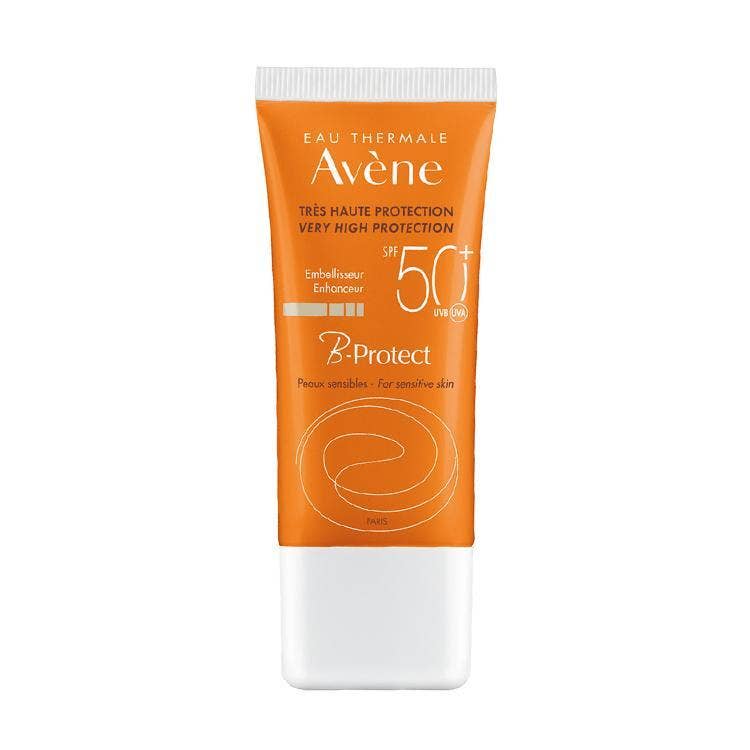
Avene Very High Protection B-Protect Spf50+ 30Ml

Avene Very High Protection B-Protect Spf50+ 30Ml
AVENE
avene-very-high-protection-b-protect-spf50-30ml
Suncare
10084866949413
Morning or Evening?
How often will you use this product?
Notes


Highlights
WHAT IS IT?
Very High Protection SPF50+ sunscreen, with multiple active ingredients
FEATURES
Multifunctional sun protection that combines sun protection with a fresh and radiant complexion
BEST FOR
sensitive
CHECKS
NOT SUITABLE FOR ALLERGIC & HYPERSENSITIVE SKIN
Who Is It For?
WomenWhat Does It Help With?
Sun Protection Fresh And Radiant SkinBudget
Premium ($76-$150)How To Use
Which routine should it be used in?
Instructions:
Key Information


What AVENE Says
Product Description:
The perfect sun protection for women in the city. It is a multifunctional product that in one single gesture sun protection combines with a fresh and radiant complexion.
About the Brand:
Ingredients Overview
Ingredients List
avene-thermal-spring-water, c12-15-alkyl-benzoate, dicaprylyl-carbonate, methylene-bis-benzotriazolyl-tetramethylbutylphenol-nano, water, silica, bis-ethylhexyloxyphenol-methoxyphenyl-triazine, diethylhexyl-butamido-triazone, aluminum-starch-octenylsuccinate, diisopropyl-adipate, butyl-methoxydibenzoylmethane, titanium-dioxide-ci-77891, decyl-glucoside, glyceryl-stearate, peg-100-stearate, potassium-cetyl-phosphate, vp-eicosene-copolymer, acrylates-ammonium-methacrylate-copolymer, acrylates-c10-30-alkyl-acrylate-crosspolymer, alumina, benzoic-acid, butylene-glycol, caprylic-capric-triglyceride, caprylyl-glycol, disodium-edta, fragrance-parfum, glyceryl-behenate, glyceryl-dibehenate, iron-oxides-ci-77492-ci-77491-ci-77499, isopropyl-myristate, oxothiazolidine, propylene-glycol, sodium-benzoate, sodium-hydroxide, stearyl-alcohol, tocopherol, tocopheryl-glucoside, tribehenin, triethyl-citrate, xanthan-gum
Key Ingredients
AVENE THERMAL SPRING WATER, METHYLENE BIS-BENZOTRIAZOLYL TETRAMETHYLBUTYLPHENOL, BIS-ETHYLHEXYLOXYPHENOL METHOXYPHENYL TRIAZINE, DIETHYLHEXYL BUTAMIDO TRIAZONE, BUTYL METHOXYDIBENZOYLMETHANE
Ingredients Details
Alumina
Common Name(s): Alumina,cosmetic active,functional ingredient
CAS Number: N/a
DESCRIPTION
What It Does: Delivers characteristic cosmetic function at recommended use concentration.
Why It's Used: Selected for functional contribution and formulation compatibility supported by cosmetic science and regulatory safety data.
How It Works: Works through the mechanism of its molecular class as documented in peer-reviewed cosmetic literature.
Typically Found In: Skin care formulations
TECHNICAL DETAILS
Primary Category: Active ingredient – cosmetic active
Secondary Functions: Skin conditioning
Application Areas:

Facial Skincare

Body Care
Hair Care
Beard Care
Color Cosmetics (Makeup)
Dietary/Oral Supplements
Typical Concentration Range: 0.1%–10%
SOURCING & ETHICS
Vegan Status: Conditional - supplier confirmation required
Halal Status: Unverified - supplier confirmation required
Source Notes: Commercially produced for cosmetic use. verify vegan/halal status with supplier. [audit 2026-07-29 rev2: the record's own source_notes does not assert a non-animal origin, or instructs the reader to verify with the supplier; "yes" asserts knowledge the record does not hold. determination requires shariah-panel sign-off.]
SKIN COMPATIBILITY
Irritancy Rating: 1/5 – very low
Comedogenicity Rating: 0/5 – non-comedogenic
Sensitivity Concerns: Well-tolerated by most skin types.
Safe for Sensitive Skin: Yes
SAFETY & COMPATIBILITY
Safety Profile: Good safety profile at recommended concentrations. ewg score: 1–2.
Works Well With: Standard skincare actives
Avoid Combining With: No known significant incompatibilities
SCIENTIFIC NOTE
Alumina has an established safety profile within the cosmetic regulatory framework at standard use concentrations.
Last Verified:
Oxothiazolidine
Common Name(s): Oxothiazolidine
DESCRIPTION
What It Does: Delivers targeted skin-conditioning or bioactive benefits through a specific mechanism of action suited to the formulation's intended purpose.
Why It's Used: Specialty actives address specific skin concerns through targeted molecular mechanisms, providing efficacy beyond what base formulation ingredients alone can achieve.
How It Works: The bioactive compound interacts with specific molecular targets in skin cells or the extracellular matrix — enzymes, receptors, structural proteins, or signaling molecules — triggering beneficial biological responses.
Typically Found In: Serums,treatments,moisturizers,specialty products
TECHNICAL DETAILS
Primary Category: Specialty actives
Secondary Functions: Skin-conditioning,anti-aging
Application Areas:
Facial Skincare
Body Care
Hair Care
Beard Care
Color Cosmetics (Makeup)
Dietary/Oral Supplements
Typical Concentration Range: 0.01–5%
SOURCING & ETHICS
Vegan Status: Conditional - supplier confirmation required
Halal Status: Unverified - supplier confirmation required
Source Notes: Specialty active ingredient; check individual sourcing for vegan status. [audit 2026-07-29 rev2: the record's own source_notes does not assert a non-animal origin, or instructs the reader to verify with the supplier; "yes" asserts knowledge the record does not hold. determination requires shariah-panel sign-off.]
SKIN COMPATIBILITY
Irritancy Rating: 1
Comedogenicity Rating: 0
Sensitivity Concerns: Low sensitization potential at recommended use concentrations.
Safe for Sensitive Skin: Yes
SAFETY & COMPATIBILITY
Safety Profile: Well-characterized cosmetic ingredient with established safety profile. generally non-irritating at typical use concentrations. suitable for leave-on and rinse-off cosmetics.
Works Well With: Niacinamide,hyaluronic acid,vitamin c,peptides
Avoid Combining With: Incompatible with oxidizing agents; check ph stability
SCIENTIFIC NOTE
Specialty actives typically work through enzyme inhibition (e.g., tyrosinase inhibition for brightening, mmp inhibition for anti-aging), receptor activation (e.g., retinoid receptors, ppar-γ for barrier genes), or transcription factor modulation (e.g., nrf2 for antioxidant gene upregulation). structure-activity relationships determine potency and selectivity.
Last Verified: 2025-01-15
Primary Sources: Cosing eu database; pcpc cosmetic ingredient safety reviews; ingredient-specific safety and efficacy literature
Silica
Common Name(s): Silica,cosmetic active,functional ingredient
CAS Number: N/a
DESCRIPTION
What It Does: Delivers characteristic cosmetic function at recommended use concentration.
Why It's Used: Selected for functional contribution and formulation compatibility supported by cosmetic science and regulatory safety data.
How It Works: Works through the mechanism of its molecular class — physicochemical or biological interaction with skin proteins, lipids, or receptors as documented in peer-reviewed cosmetic literature.
Typically Found In: Skin care formulations
TECHNICAL DETAILS
Primary Category: Active ingredient – cosmetic active
Secondary Functions: Skin conditioning
Application Areas:
Facial Skincare
Body Care
Hair Care
Beard Care
Color Cosmetics (Makeup)
Dietary/Oral Supplements
Typical Concentration Range: 0.1%–10%
SOURCING & ETHICS
Vegan Status: Conditional - supplier confirmation required
Halal Status: Unverified - supplier confirmation required
Source Notes: Commercially produced for cosmetic use. verify vegan/halal status with supplier. [audit 2026-07-29 rev2: the record's own source_notes does not assert a non-animal origin, or instructs the reader to verify with the supplier; "yes" asserts knowledge the record does not hold. determination requires shariah-panel sign-off.]
SKIN COMPATIBILITY
Irritancy Rating: 1/5 – very low
Comedogenicity Rating: 0/5 – non-comedogenic
Sensitivity Concerns: Well-tolerated by most skin types.
Safe for Sensitive Skin: Yes
SAFETY & COMPATIBILITY
Safety Profile: Good safety profile at recommended concentrations. ewg score: 1–2.
Works Well With: Standard skincare actives
Avoid Combining With: No known significant incompatibilities
SCIENTIFIC NOTE
Silica has an established safety and efficacy profile within the cosmetic regulatory framework at standard use concentrations.
Last Verified: 2026-03-12
Primary Sources: Cosing database,silica technical literature
Tocopherol
Common Name(s): Vitamin e,alpha-tocopherol,d-alpha-tocopherol,(+)-alpha-tocopherol
CAS Number: 59-02-9
DESCRIPTION
What It Does: Tocopherol neutralizes free radicals that damage skin cells, protects cell membranes from lipid peroxidation, moisturizes, and helps maintain a healthy skin barrier.
Why It's Used: It is used as both a skin-active antioxidant and a formulation stabilizer (preventing oxidation of other ingredients). it has decades of safety and efficacy evidence and works synergistically with vitamin c.
How It Works: As a chain-breaking antioxidant, tocopherol donates hydrogen atoms to interrupt lipid peroxidation chain reactions. it is regenerated by vitamin c (ascorbic acid) in the vitamins c+e antioxidant cycle, creating a more durable antioxidant defense.
Typically Found In: Moisturizers,serums,oils,sunscreens,eye creams,lip balms,antioxidant formulations,haircare products
TECHNICAL DETAILS
Primary Category: Active ingredient – antioxidant/vitamin e
Secondary Functions: Emollient,formulation stabilizer,barrier support
Application Areas:
Facial Skincare
Body Care
Hair Care
Beard Care
Color Cosmetics (Makeup)
Dietary/Oral Supplements
Typical Concentration Range: 0.1%–1% (typical: 0.1–0.5% as active; higher as formulation antioxidant)
SOURCING & ETHICS
Vegan Status: Yes – plant-derived (soybean, sunflower, wheat germ oil) or synthetic
Halal Status: Yes – plant-derived or synthetic
Source Notes: Natural d-alpha-tocopherol is derived from plant oils and is more bioactive. synthetic dl-alpha-tocopherol is less expensive. tocopherol acetate (tocopheryl acetate) is the more stable ester form.
SKIN COMPATIBILITY
Irritancy Rating: 1/5 – very low; rare contact sensitivity reported
Comedogenicity Rating: 2/5 – mildly comedogenic at higher concentrations; formulation-dependent
Sensitivity Concerns: A small percentage of people report contact sensitization to tocopherol, particularly with leave-on products. comedogenicity risk is higher in oil-heavy formulations.
Safe for Sensitive Skin: Generally yes; perform patch test if history of vitamin e sensitivity
SAFETY & COMPATIBILITY
Safety Profile: Very safe; widely used. ewg hazard score: 2–3 (depending on concentration). no significant systemic concerns from topical use.
Works Well With: Ascorbic acid (vitamin c) – synergistic antioxidant pair,ferulic acid – stabilizes and boosts both c and e,ceramides,spf,retinol
Avoid Combining With: Very high concentrations of benzoyl peroxide may oxidize tocopherol; potential comedogenicity concerns in acne-prone skin when in heavy oil bases
SCIENTIFIC NOTE
The combination of vitamin c, vitamin e, and ferulic acid (the 'ce ferulic' formulation) provides fourfold photoprotection against uv-induced free radical damage – a synergy documented in landmark research by pinnell et al.
Last Verified: ##########
Primary Sources: Cosing database,cir safety assessment,pinnell et al. (2005) journal of investigative dermatology,efsa panel on food additives