

Alps Goodness
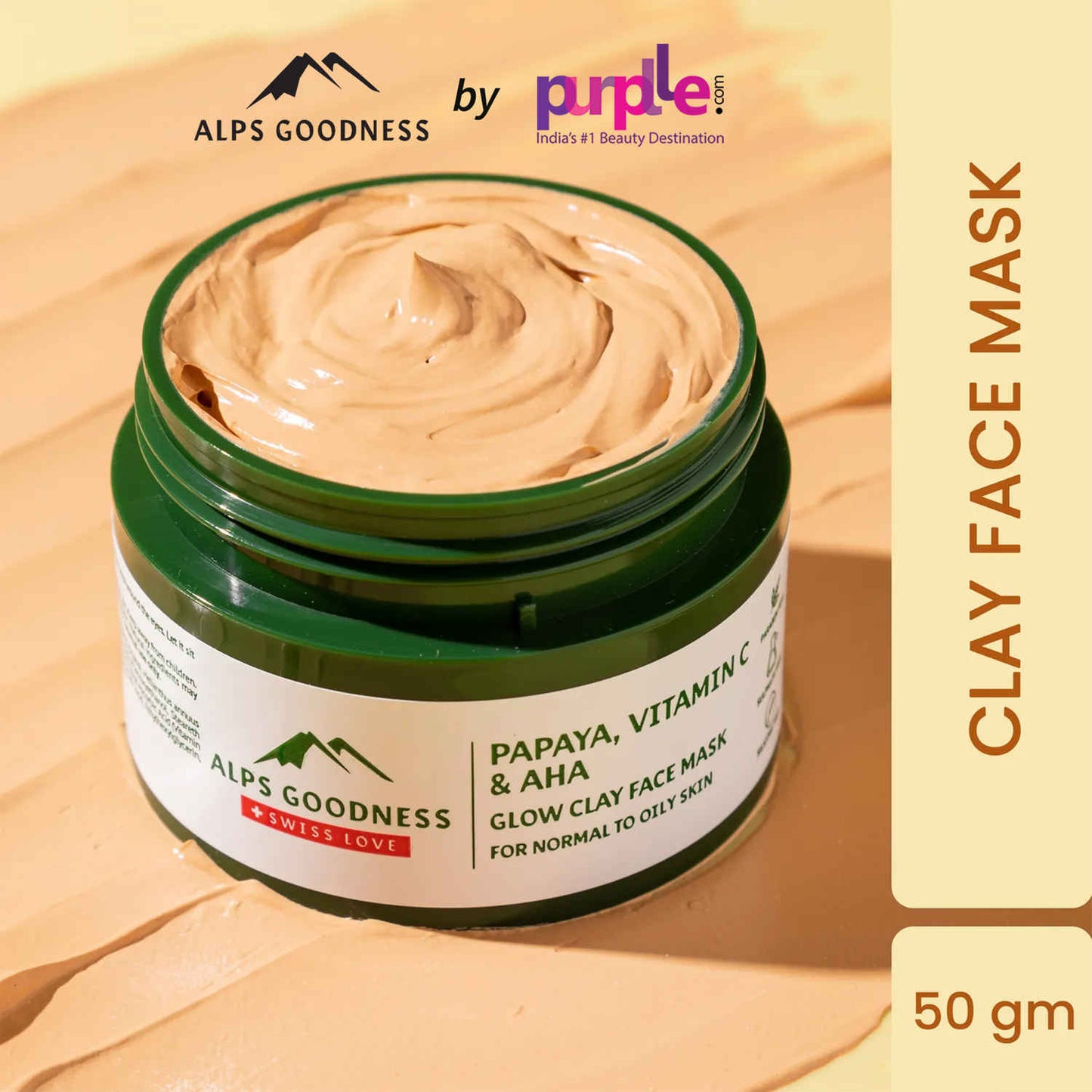
Alps Goodness Papaya , Vitamin C & AHA Glow Clay Face Mask for normal to Oily Skin ( 50 gm )

Alps Goodness Papaya , Vitamin C & AHA Glow Clay Face Mask for normal to Oily Skin ( 50 gm )
Alps Goodness
alps-goodness-papaya-vitamin-c-aha-glow-clay-face-mask-for-normal-to-oily-skin-50-gm
Face Mask
10084787093797
Morning or Evening?
How often will you use this product?
Notes


Highlights
WHAT IS IT?
Clay Face Mask with multiple active ingredients
FEATURES
Contains Papaya, Vitamin C, AHA for brightening, moisturizing, removing tan, and combating signs of ageing
BEST FOR
combination
CHECKS
Paraben, Sulphate, Silicone, Mineral Oil Free
Who Is It For?
Gender-neutral Suitable For Adults (age Range Not Specified)What Does It Help With?
Brightening Skin Removing Tan Treating Blemishes And Spots Exfoliation Improving Skin GlowBudget
Affordable (under $30)How To Use
Which routine should it be used in?
Instructions:
Key Information

What Alps Goodness Says
Product Description:
Alps Goodness Papaya Vitamin C & AHA Glow Face Wash cleanses skin and is best suited for dry and normal skin types. It maintains the pH level of the skin without stripping off the natural oils. Papaya in the formula imparts moisture removes tan and combats signs of ageing. Vitamin C is wellknown as the skinbrightening ingredient and helps in treating blemishes and spots. AHA is a group of exfoliating acids that visibly brighten skin glow by removing blemishes and dark circles. This Face Wash provides brighterlooking skin with a clear radiant glow.
About the Brand:
Ingredients Overview
Ingredients List
Papaya,Vitamin-C,AHA,Paraben,Silicone,Sulfate,Mineral-Oil
Key Ingredients
Papaya,Vitamin-C,AHA
Ingredients Details
Aha
Common Name(s): Aha,alpha-hydroxy acid exfoliant,keratolytic active
CAS Number: N/a
DESCRIPTION
What It Does: Exfoliates dead skin cells by disrupting desmosomal adhesion bonds, brightens skin tone, stimulates collagen production, and improves product active penetration through the exfoliated sc.
Why It's Used: Aha exfoliation is the most evidence-backed chemical exfoliation mechanism with 30+ years of clinical use data; different acid sizes allow formulators to select penetration depth and intensity for specific skin types.
How It Works: Aha carboxylic groups donate h⁺ disrupting ca²⁺ coordination of desmoglein desmosomal proteins at formulation ph 3–4, weakening corneocyte cohesion. smaller ahas (glycolic, mw 76) penetrate fastest; larger (mandelic, mw 152) penetrate slower for gentler exfoliation.
Typically Found In: Exfoliating toners,aha serums,anti-aging
TECHNICAL DETAILS
Primary Category: Active ingredient – alpha hydroxy acid (aha)
Secondary Functions: Brightening,collagen stimulation
Application Areas:

Facial Skincare
Body Care

Hair Care
Beard Care
Color Cosmetics (Makeup)
Dietary/Oral Supplements
Typical Concentration Range: 1%–15%
SOURCING & ETHICS
Vegan Status: Yes
Halal Status: Yes
Source Notes: Fermentation-derived or synthetic. ph must be ≤4.0 for aha activity.
SKIN COMPATIBILITY
Irritancy Rating: 2/5 – low to moderate
Comedogenicity Rating: 0/5 – non-comedogenic
Sensitivity Concerns: Photosensitizing – mandatory spf use. start at low frequency.
Safe for Sensitive Skin: Use with caution – spf required
SAFETY & COMPATIBILITY
Safety Profile: Safe at otc concentrations. eu: ≤10% leave-on at ph ≥3.5. mandatory spf advisory.
Works Well With: Niacinamide,ceramides,hyaluronic acid,spf
Avoid Combining With: Retinol in same step; multiple exfoliants simultaneously
SCIENTIFIC NOTE
Glycolic acid is the most clinically studied aha; mandelic and lactic are preferred for sensitive or darker skin types from their larger molecular weight and slower penetration kinetics.
Last Verified: 2026-03-12
Primary Sources: Cosing database,aha aha exfoliant review
Silicone
Common Name(s): Silicone,functional category descriptor,cosmetic ingredient class
CAS Number: N/a
DESCRIPTION
What It Does: Represents the functional class benefits of the 'silicone' category; specific activity depends on the individual ingredient.
Why It's Used: Used in consumer-facing ingredient communication and formulation descriptions when referring to ingredient classes rather than specific inci names.
How It Works: Mechanism varies by specific ingredient within the category — the category designation indicates shared primary function.
Typically Found In: Consumer communication
TECHNICAL DETAILS
Primary Category: Active ingredient – cosmetic active
Secondary Functions: Skin conditioning
Application Areas:
Facial Skincare
Body Care
Hair Care
Beard Care
Color Cosmetics (Makeup)
Dietary/Oral Supplements
Typical Concentration Range: Varies
SOURCING & ETHICS
Vegan Status: Conditional - supplier confirmation required
Halal Status: Unverified - supplier confirmation required
Source Notes: Commercially produced for cosmetic use. verify vegan/halal status with supplier. [audit 2026-07-29 rev2: the record's own source_notes does not assert a non-animal origin, or instructs the reader to verify with the supplier; "yes" asserts knowledge the record does not hold. determination requires shariah-panel sign-off.]
SKIN COMPATIBILITY
Irritancy Rating: 1/5 – very low
Comedogenicity Rating: 0/5 – non-comedogenic
Sensitivity Concerns: Well-tolerated by most skin types.
Safe for Sensitive Skin: Yes
SAFETY & COMPATIBILITY
Safety Profile: Good safety profile at recommended concentrations. ewg score: 1–2.
Works Well With: Standard skincare actives
Avoid Combining With: No known significant incompatibilities
SCIENTIFIC NOTE
Silicone' encompasses multiple specific inci ingredients — refer to individual ingredient entries for specific mechanism, concentration, and safety data.
Last Verified: 2026-03-12
Primary Sources: Cosing database,functional category descriptor