

US
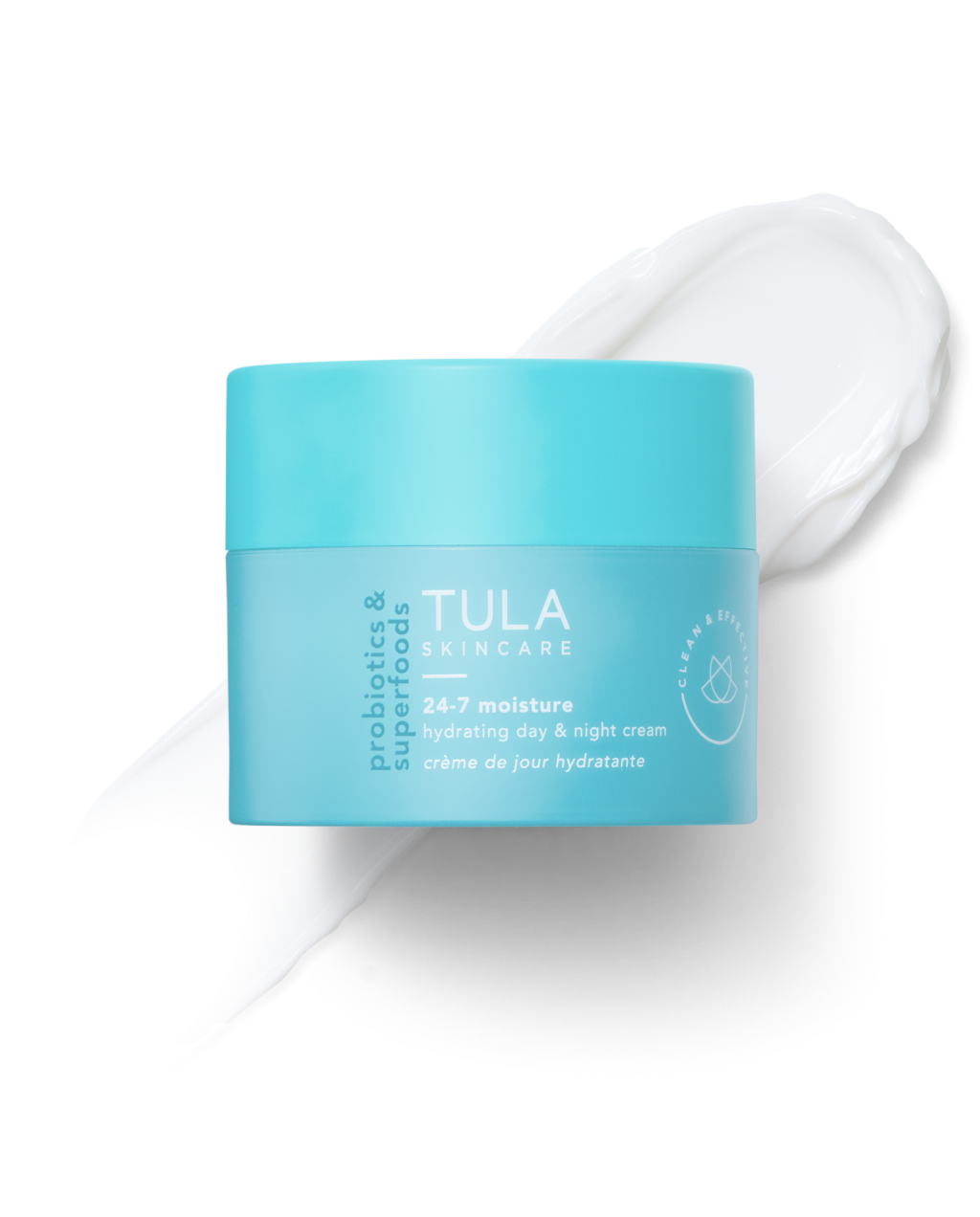
24-7 Moisture

24-7 Moisture
US
24-7-moisture
Moisturize
9818382762277
Morning or Evening?
How often will you use this product?
Notes


Highlights
WHAT IS IT?
Lightweight moisturizing cream
FEATURES
Lightweight, non-greasy, all-day hydration, revives dull & tired skin, leaves skin looking supple, plump & glowy
BEST FOR
combination
CHECKS
Free of alcohol, paraben, sulfate
Who Is It For?
All Ages And GendersWhat Does It Help With?
Hydration Dull Skin Tired Skin Skin Plumpness Skin GlowBudget
Mid-range ($30-$75)How To Use
Which routine should it be used in?
Instructions:
Key Information


What US Says
Product Description:
The "it girl" of moisturizers. This lightweight, non-greasy yet nourishing cream is clinically proven to provide all-day hydration.
About the Brand:
Ingredients Overview
Ingredients List
Aqua/Water/Eau, Ethylhexyl Palmitate, Squalane, Glycerin, Caprylic/Capric Triglyceride, Cetyl Alcohol, Dimethicone, Hydrogenated Vegetable Oil, Lactococcus Ferment Lysate, Glyceryl Stearate, PEG-100 Stearate, Bifida Ferment Lysate, Lactose, Lactobacillus, Lactobacillus Ferment, Lactis proteinum/Milk Protein/Protéine du lait, Hydrolyzed Rice Protein, Collagen Amino Acids, Sodium Hyaluronate, Lactic Acid, Cichorium Intybus (Chicory) Root Extract, Alpha-Glucan Oligosaccharide, Vaccinium Angustifolium (Blueberry) Fruit Extract, Olus Oil/Vegetable Oil/Huile végétale, Camelina Sativa Seed Oil, Camellia Sinensis Leaf Extract, Curcuma Longa (Turmeric) Root Extract, Tocopheryl Acetate, Ascorbyl Palmitate, Olea Europaea (Olive) Fruit Oil, Pyrus Malus (Apple) Fruit Extract, Citrullus Lanatus (Watermelon) Fruit Extract, Lens Esculenta (Lentil) Fruit Extract, Inulin, Leuconostoc/Radish Root Ferment Filtrate, Beta Vulgaris (Beet) Root Extract/Beta Vulgaris/Extrait de racine de betterave, Polymnia Sonchifolia Root Juice, Sodium Lactate, Sodium PCA, Carbomer, Sodium Hydroxide, Pentylene Glycol, Ethylhexylglycerin, Stearyl Alcohol, Citric Acid, Phenethyl Alcohol, Sodium Benzoate, Potassium Sorbate, Phenoxyethanol, Trisodium Ethylenediamine Disuccinate, Sodium Chloride, Butylene Glycol, 1,2-Hexanediol, Maltodextrin, Fragrance (Parfum), Alpha-Isomethyl Ionone, Benzyl benzoate, Hexyl Cinnamal, Linaloo
Key Ingredients
probiotic extracts, apple, watermelon, squalane, collagen, peptides
Ingredients Details
Collagen
Common Name(s): Collagen
DESCRIPTION
What It Does: Delivers targeted skin-conditioning or bioactive benefits through a specific mechanism of action suited to the formulation's intended purpose.
Why It's Used: Specialty actives address specific skin concerns through targeted molecular mechanisms, providing efficacy beyond what base formulation ingredients alone can achieve.
How It Works: The bioactive compound interacts with specific molecular targets in skin cells or the extracellular matrix — enzymes, receptors, structural proteins, or signaling molecules — triggering beneficial biological responses.
Typically Found In: Serums,treatments,moisturizers,specialty products
TECHNICAL DETAILS
Primary Category: Specialty actives
Secondary Functions: Skin-conditioning,anti-aging
Application Areas:

Facial Skincare

Body Care
Hair Care
Beard Care
Color Cosmetics (Makeup)
Dietary/Oral Supplements
Typical Concentration Range: 0.01–5%
SOURCING & ETHICS
Vegan Status: No - animal-derived
Halal Status: Conditional - halal slaughter certificate required (species declaration and slaughter method)
Source Notes: Contains animal-derived components (collagen...); not suitable for vegan formulations. [audit 2026-07-29 rev2: name declares rendered fat or animal tissue; halal status depends on species and slaughter, neither of which is in the record. determination requires shariah-panel sign-off.]
SKIN COMPATIBILITY
Irritancy Rating: 1
Comedogenicity Rating: 0
Sensitivity Concerns: Low sensitization potential at recommended use concentrations.
Safe for Sensitive Skin: Conditional
SAFETY & COMPATIBILITY
Safety Profile: Well-characterized cosmetic ingredient with established safety profile. generally non-irritating at typical use concentrations. suitable for leave-on and rinse-off cosmetics.
Works Well With: Niacinamide,hyaluronic acid,vitamin c,peptides
Avoid Combining With: Incompatible with oxidizing agents; check ph stability
SCIENTIFIC NOTE
Specialty actives typically work through enzyme inhibition (e.g., tyrosinase inhibition for brightening, mmp inhibition for anti-aging), receptor activation (e.g., retinoid receptors, ppar-γ for barrier genes), or transcription factor modulation (e.g., nrf2 for antioxidant gene upregulation). structure-activity relationships determine potency and selectivity.
Last Verified: 2025-01-15
Primary Sources: Cosing eu database; pcpc cosmetic ingredient safety reviews; ingredient-specific safety and efficacy literature
Peptides
Common Name(s): Peptides,functional category descriptor,skin care
CAS Number: N/a
DESCRIPTION
What It Does: Provides the functional class benefits described by the 'peptides' category — specific activity depends on the precise ingredient within this functional class.
Why It's Used: Used as a category label when listing ingredient classes rather than specific inci names — relevant for consumer-facing communication and ingredient disclosure frameworks.
How It Works: Activity depends on specific ingredient within the category; the category designation indicates the broad functional mechanism shared by all members of the group.
Typically Found In: Consumer communication,ingredient disclosure
TECHNICAL DETAILS
Primary Category: Active ingredient – cosmetic active
Secondary Functions: Skin conditioning
Application Areas:
Facial Skincare
Body Care
Hair Care
Beard Care
Color Cosmetics (Makeup)
Dietary/Oral Supplements
Typical Concentration Range: Varies
SOURCING & ETHICS
Vegan Status: Conditional - supplier confirmation required
Halal Status: Unverified - supplier confirmation required
Source Notes: Commercially produced for cosmetic use. verify vegan/halal status with supplier. [audit 2026-07-29 rev2: the record's own source_notes does not assert a non-animal origin, or instructs the reader to verify with the supplier; "yes" asserts knowledge the record does not hold. determination requires shariah-panel sign-off.]
SKIN COMPATIBILITY
Irritancy Rating: 1/5 – very low
Comedogenicity Rating: 0/5 – non-comedogenic
Sensitivity Concerns: Well-tolerated by most skin types.
Safe for Sensitive Skin: Yes
SAFETY & COMPATIBILITY
Safety Profile: Good safety profile at recommended concentrations. ewg score: 1–2.
Works Well With: Standard skincare actives
Avoid Combining With: No known significant incompatibilities
SCIENTIFIC NOTE
Peptides as a category encompasses multiple specific inci ingredients each with individual safety and efficacy profiles; see individual ingredient entries for specific mechanistic detail.
Last Verified: 2026-03-12
Primary Sources: Cosing database,functional category descriptor
Squalane
Common Name(s): Perhydrosqualene,2,6,10,15,19,23-hexamethyltetracosane
CAS Number: 0111-01-03
DESCRIPTION
What It Does: Provides endogenous-skin-identical emolliency with exceptional stability and skin compatibility.
Why It's Used: The most skin-compatible emollient – chemically identical to human sebum squalene component with outstanding tolerability across all skin types.
How It Works: Fully saturated hydrocarbon with zero oxidation sites provides exceptional stability unlike squalene's 6 double bonds. integrates into stratum corneum lipid bilayers with near-perfect biocompatibility. provides antioxidant protection to formulation via radical quenching.
Typically Found In: Facial oils,serums,non-comedogenic moisturizers,luxury body care
TECHNICAL DETAILS
Primary Category: Functional ingredient – emollient
Secondary Functions: Maximum biocompatibility,antioxidant stabilizer,non-comedogenic
Application Areas:
Facial Skincare
Body Care
Hair Care
Beard Care
Color Cosmetics (Makeup)
Dietary/Oral Supplements
Typical Concentration Range: 1%–100%
SOURCING & ETHICS
Vegan Status: Conditional - feedstock declaration required
Halal Status: Unverified - feedstock declaration required (plant, animal and petrochemical routes all exist)
Source Notes: Sustainable plant-derived squalane from sugarcane fermentation (amyris) or olive oil fractionation is preferred over shark liver-derived. chemically identical regardless of source. [audit 2026-07-29 rev2: origin-dependent: the same inci exists in plant, animal and petrochemical versions and the name does not discriminate. determination requires shariah-panel sign-off.]
SKIN COMPATIBILITY
Irritancy Rating: 1/5 – very low
Comedogenicity Rating: 0/5 – non-comedogenic
Sensitivity Concerns: Non-irritating.
Safe for Sensitive Skin: Yes
SAFETY & COMPATIBILITY
Safety Profile: Excellent safety profile. ewg score: 1.
Works Well With: Humectants,ceramides,actives as carrier
Avoid Combining With: No significant incompatibilities
SCIENTIFIC NOTE
Squalene constitutes approximately 12-15% of human sebum – the highest proportion of any skin lipid. topical squalane (stable, hydrogenated form) replenishes this abundant endogenous skin lipid. the complete absence of oxidizable double bonds (unlike squalene's 6 double bonds) eliminates the pro-oxidant concerns of natural squalene oxidation.
Last Verified: 2026-03-12
Primary Sources: Cosing database,huang et al. squalane review,cir safety assessment